



close

Moving

Moving

Residential Relocations Done Right: A Practical Guide for Perth Homeowners

Couple stands by an open moving truck as movers load cardboard boxes inside the trailer.

There’s a particular kind of optimism that accompanies the early stages of planning a house move. The new home feels like a fresh start. The decluttering feels like freedom. The idea of professionals arriving and handling everything feels like simplicity itself.

Then reality arrives, usually about three weeks before moving day, in the form of thirty years of accumulated possessions that all need to be sorted, packed, insured, and transported to a new address without being damaged, lost, or forgotten behind the hot water system.

Residential relocations are not simple, even when they’re local. They become considerably more complex when settlement dates don’t align, when high-value items need specialist handling, or when the move coincides with a major life transition, a divorce, a downsizing after the children have left, or a move to be closer to family. Getting it right means treating the move as a project, choosing the right professional support, and understanding what’s genuinely involved before you start.

This guide is for Perth homeowners who want to do exactly that.

The Downsizer’s Relocation: What Nobody Warns You About

Residential relocations for empty nesters and downsizers are among the most emotionally and logistically complex moves in the residential market. The volume of possessions typically accumulated across a long-tenured family home, the sentimental weight of many of those items, and the challenge of matching a full house’s worth of furniture to a significantly smaller property creates a set of challenges that a straightforward family relocation doesn’t.

The first challenge is sorting. Decades of accumulated contents — furniture, books, clothing, kitchen equipment, garden tools, holiday decorations — need to be categorised: keep, sell, donate, or discard. This is time-consuming work, and it’s work that requires energy and emotional bandwidth, not just logistical capacity. Starting this process at least eight to twelve weeks before the move is not excessive — for a long-tenured family home, it’s realistic.

The second challenge is storage. Downsizers frequently find themselves in a position where they want to keep items they don’t yet have room for in the new property. Long-term container storage is the professional solution for this situation. Your items are held in a secure, weatherproof container until you’ve had time to settle into the new property and make considered decisions about what stays and what goes.

Residential removalists in Perth who work regularly with downsizers understand this dynamic and structure their services accordingly — full pre-packing capability, integrated container storage options, and the patience and care that high-sentimental-value possessions require.

Residential Relocations and High-Value Items: What Requires Specialist Care

Not all household contents move the same way. A standard bedroom suite and a Steinway grand piano are both furniture, but they require entirely different handling protocols. Understanding which of your items fall into the specialist category — and confirming your removalist’s capability before you book — is an important part of the pre-move due diligence process.

Pianos. Upright pianos and especially grand pianos are heavy, mechanically sensitive, and awkward to manoeuvre. Moving a grand piano incorrectly risks both the instrument and the floor it’s moving across. Specialist piano handling requires dedicated equipment and trained operators.

Antiques and heritage furniture. Items with age and provenance are irreplaceable if damaged. Specialist wrapping — acid-free tissue, custom padding, appropriate box sizing — and careful load positioning during transit are non-negotiable. Ask your removalist specifically: what is your protocol for antique furniture?

Original artwork and sculptures. Large or valuable artworks may require custom crating. The packing materials that protect a reproduction print don’t protect a valuable original. If you have significant artworks, discuss this explicitly at the quoting stage.

Large mirrors and glass-topped furniture. These are common damage points in residential moves. Purpose-made mirror boxes, corflute sandwiching, and careful load positioning are the standard professional approach — confirm that your removalist uses them.

Wine collections. Wine is sensitive to vibration and temperature. Large collections should be discussed with your removalist upfront — specialist wine transport packaging and temperature considerations may apply.

Choosing a Moving Company in Perth: What the Market Actually Looks Like

The Perth residential removals market is competitive and varied. The range extends from highly professional, fully insured, AFRA-accredited operators with decades of experience through to cash-in-hand operators with a van and a phone number.

Price variation across this spectrum is significant. The question worth asking is not “why is this company cheaper?” but “what’s different about their service that explains the lower price?” The answers are usually revealing.

AFRA accreditation is the clearest professional baseline. The Australian Furniture Removers Association accredits operators who meet standards across staff training, vehicle maintenance, insurance, and professional conduct. An AFRA-accredited moving company in Perth is operating under a framework of accountability that non-accredited companies are not.

Insurance transparency. Before booking any removalist, ask specifically: what does your insurance cover, per item and in total? What is your claims process if something is damaged? A professional operator will answer these questions clearly and in writing.

Review patterns. Aggregate star ratings are less informative than the pattern of reviews over time. Look for reviews that specifically mention care with fragile items, communication during transit, and the team’s conduct on moving day.

Full-service vs transport-only. A company that offers pre-packing, storage, specialist item handling, and disassembly/reassembly in addition to transport is a fundamentally different service offering from a transport-only operator. Be clear about what you need and confirm that the company you’re evaluating genuinely provides it.

Perth Storage Containers and Storage Solutions: Planning the Bridge

One of the most common complications in Perth residential moves is the settlement date gap — the window between vacating your old property and gaining access to your new one. Perth’s property market, with its sometimes unpredictable settlement timelines, makes this gap a planning consideration for virtually every homeowner.

Perth storage containers offered through specialist removalists provide the professional solution. Your goods are packed once, loaded into a weatherproof container, and stored securely until your new property is ready. The container is then transported and delivered — without unpacking, repacking, or additional handling.

The advantages over traditional self-storage are significant. Self-storage requires you to move your goods twice — into the storage unit, then out again into a truck, then into the new property. Container storage eliminates the second move. Your goods remain in the same container from packing to delivery, which reduces both the labour involved and the risk of damage in additional handling.

Storage solutions in Perth vary in flexibility, security, and access arrangements. For short settlement gaps (one to four weeks), a flexible container storage arrangement managed by your removalist is typically the most practical option. For longer-term storage — renovations, overseas assignments, extended downsizing decisions — more permanent facility arrangements may be more cost-effective.

Whatever your storage requirement, organise it before you need it. Last-minute storage arrangements are expensive and stressful; planned storage arrangements are straightforward.

Furniture Removals in Perth: The Pre-Move Conversation

Furniture removals in Perth benefit enormously from a detailed pre-move conversation between the homeowner and the removalist. The more information the removalist has before moving day, the better they can resource the job, plan their approach, and provide an accurate quote.

Here’s what to cover in that conversation.

Access at both properties. Stairs, number of floors, lift availability, distance from truck to front door, driveway width for truck access, any body corporate restrictions on moving hours. These factors directly affect time, staffing, and equipment requirements.

Large and specialist items. Pianos, pool tables, large outdoor furniture, gym equipment, king-size beds, and sectional sofas all have specific handling requirements. List them explicitly.

Disassembly requirements. Which items need to be disassembled before the move and reassembled at the destination? Modular wardrobes, bed frames with storage, and large bookshelves are common examples.

Packing scope. Are you self-packing entirely, partially, or do you want the full pre-packing service? If you’re self-packing, the removalist needs to know which rooms will be ready and which may still be in progress on moving day.

Timing sensitivities. Are there any items that need to be available immediately on arrival — a child’s bed, critical medications, work equipment? These should be loaded last and offloaded first.

Moving Day: How to Make It Go Smoothly

Moving day itself is not where you make decisions — it’s where you execute the plan you’ve built. Here’s how to help the day go well.

Be present and available. Your removalists will have questions throughout the day. Having someone available to answer them immediately prevents delays.

Keep children and pets managed. Children underfoot and anxious pets create genuine safety risks in an active loading environment. Arrange care for them or designate a contained space away from the loading activity.

Have refreshments available. It sounds minor, but a removalist team that’s had water, coffee, and a morning tea break works better than one that hasn’t. This is not sentiment — it’s practical.

Do the walkthrough. When you think the loading is complete, walk every room, wardrobe, cupboard, attic, and storage space before the truck leaves. Things are left behind more often than people expect.

Conclusion

Residential removalists in Perth, managed well, are one of life’s genuinely positive events, the physical beginning of a new chapter. The key is treating them as the substantial undertaking they are: planning well in advance, choosing a capable and accredited removalist, preparing honestly for the emotional and logistical complexity involved, and using professional storage solutions to manage the inevitable timing gaps.

The move will not be perfect. But with the right preparation and the right team, it will be manageable and the other side is worth it.


read more
Moving

How to Pack Electronics Safely for a Move

Relocating to a new home involves orchestrating hundreds of moving parts, but packing delicate electronics presents a distinct set of challenges. Modern consumer electronics represent a substantial financial investment and contain sensitive internal mechanisms, brittle circuit boards, glass displays, and irreplaceable personal data. A single sudden impact, static electricity discharge, or dramatic temperature shift during transit can render an expensive device completely unusable.
Preparing your digital footprint and physical equipment with systematic care ensures that your gear arrives at your new destination intact and ready for immediate deployment. By following professional packing protocols, utilizing appropriate archival materials, and establishing clear organization, you can eliminate the stress of moving high-value electronic items.

Preparing Your Electronics Before Packing

Proper preparation begins well before wrapping tape around a cardboard box. Taking deliberate steps to safeguard your hardware and software ahead of time saves hours of troubleshooting and prevents catastrophic data loss.

Back Up All Critical Digital Data

Hardware can be repaired or replaced under moving insurance policies, but lost personal photographs, work files, and system configurations are permanent losses.
  • Cloud Backups: Synchronize primary hard drives to secure cloud storage platforms a few days before your scheduled move date.
  • External Physical Storage: Create dedicated physical backups of desktops, laptops, and gaming consoles on encrypted external solid-state drives or thumb drives.
  • Personal Separation: Pack external backup drives in your personal vehicle or carry-on bag rather than loading them onto the primary moving truck.

Document Cable Configurations and Ports

Reconnecting a complex home theater receiver, multiple monitors, or a mesh router system can quickly become overwhelming when faced with a tangle of unlabelled cords.
  • Photographic Records: Take clear, well-lit close-up photographs of the rear input panels on your televisions, soundbars, audio receivers, and desktop computer towers before unplugging a single wire.
  • Labeling Wires: Wrap small strips of colored masking tape or pre-printed cable flags around both ends of every power cord, HDMI cable, audio line, and display connector, noting which port it corresponds to on the source hardware.

Remove Batteries, Media, and Consumables

Leaving internal components loose inside electronics invites mechanical failure during transport.
  • Eject Physical Discs: Remove all Blu-ray discs, game cartridges, and DVDs from optical drives to prevent them from slipping off the spindle and scratching internal laser lenses during transit.
  • Take Out Batteries: Remove alkaline batteries from remote controls, wireless keyboards, mice, and smart home sensors. Loose batteries can corrode or leak acid during transit under fluctuating environmental temperatures.
  • Extract Consumables: Remove ink cartridges, toner units, and water reservoirs from printers and coffee makers to avoid internal fluid leakage that could short-circuit underlying electrical boards.

Essential Packing Supplies for Electronics

Standard household moving supplies do not provide adequate protection for delicate electronic components. Investing in specialized packaging materials prevents physical abrasion and electrical static damage.
  • Original Manufacturer Packaging: The original product box and custom-molded styrofoam inserts offer the highest level of engineered protection. If you saved these boxes, always use them first.
  • Anti-Static Bubble Wrap: Standard pink anti-static bubble wrap is chemically treated to prevent the buildup of electrostatic discharge, making it essential for bare computer components, graphics cards, motherboards, and bare hard drives.
  • Heavy-Duty Double-Wall Boxes: Standard single-wall moving boxes can crush under the weight of stacked cargo. Double-wall corrugated cartons provide reinforced structural integrity for heavy audio receivers and desktop towers.
  • Microfiber Cloths and Screen Covers: Soft microfiber towels or non-abrasive foam sheets protect delicate flat-panel television glass and monitor surfaces from micro-scratches caused by coarse packing materials.
  • Resealable Plastic Bags: Heavy-duty zip-top bags keep small screws, mounting brackets, remote controls, and associated power supplies grouped together with their parent devices.
  • Heavy-Duty Packing Tape: Wide polypropylene packaging tape creates rigid structural seams along the bottom and top flaps of heavy moving boxes.

Step-by-Step Packing Procedures by Device Category

Different categories of electronic devices require tailored packing strategies based on their physical dimensions, weight distribution, and screen fragility.

Flat-Screen Televisions and Computer Monitors

Modern liquid-crystal display (LCD) and organic light-emitting diode (OLED) screens are exceptionally fragile and must never be laid flat or subjected to direct face pressure.
  • Screen Protection: Cover the entire glass panel with a sheet of non-abrasive foam or a clean microfiber cloth, securing it in place with painter’s tape along the outer plastic bezel.
  • Foam Corner Guards: Slip dense foam corner blocks over all four corners of the television to absorb shock from sudden drops or shifts.
  • Telescoping TV Boxes: Slide the wrapped television into an adjustable heavy-duty telescoping cardboard TV box. Fill all remaining voids with crumpled kraft paper or anti-static bubble wrap so the screen cannot slide inside the container.
  • Upright Orientation: Always store and transport flat-screen televisions vertically on their base edge. Never lay a flat screen down horizontally on its back or face, as road vibrations can crack the internal glass matrix under its own unsupported weight.

Desktop Computer Towers and Workstations

Desktop towers house heavy internal components like discrete graphics cards and massive heatsinks that put mechanical strain on motherboard sockets during bumpy rides.
  • Internal Stabilization: If you have custom-built a powerful PC with a heavy graphics card or large air cooler, remove the graphics card and pack it separately in an anti-static bag, or secure the interior cavity with specialized expanding foam packing packs designed for computers.
  • Exterior Casing Wrap: Wrap the entire chassis in multiple layers of heavy-duty bubble wrap, paying special attention to tempered glass side panels.
  • Base Cushioning: Line the bottom of a heavy-duty box with at least three inches of crumpled packing paper to create a shock-absorbing crumple zone before placing the tower inside.

Audio Equipment, Amplifiers, and Home Theater Receivers

Audio components are often dense and front-heavy due to internal transformers and metallic heat spreaders.
  • Knob and Dial Protection: Place a rigid piece of cardboard over front-facing knobs, dials, and display panels to prevent them from snapping off under lateral pressure.
  • Weight Distribution: Place the heaviest audio units at the very bottom center of double-walled boxes to maintain a low center of gravity.
  • Ventilation Sealing: Cover top ventilation grates with kraft paper to prevent packing peanuts, foam dust, or debris from falling into the internal circuitry.

Laptops, Tablets, and Mobile Handhelds

Portable electronics contain lithium-ion batteries and compact logic boards that require snug, temperature-controlled packing.
  • Sleeve Protection: Place every laptop and tablet into a padded neoprene sleeve before boxing.
  • Central Packing: If packing multiple portable units together, place them vertically like books inside a small, sturdy box lined with thick bubble wrap, ensuring devices do not press against one another directly.

Electronics Moving Preparation and Packing Checklist

Phase Core Objective Key Action Items
Pre-Move (3 to 5 Days Out) Data and Hardware Preservation Back up cloud and physical drives; take photos of cable configurations
Preparation (1 to 2 Days Out) Decontamination and Securing Eject discs; remove ink cartridges; take out alkaline batteries
Wrapping Stage Surface and Static Protection Apply anti-static bubble wrap; secure screen covers; use corner guards
Boxing Stage Shock Absorption and Rigidity Use double-wall boxes; line base with 3 inches of paper; fill empty voids
Loading Stage Environmental Safety Keep screens upright; avoid extreme heat/cold; transport high-value gear in personal car

Loading, Climate Management, and Unpacking Protocols

How electronics are loaded into the moving vehicle and unpacked in your new residence is just as important as how they are wrapped.
  • Avoid Extreme Temperatures: Electronic components, especially lithium batteries and high-definition screens, are vulnerable to severe heat and sub-freezing temperatures. If moving during peak summer or winter, transport your most sensitive items inside the climate-controlled cabin of your personal vehicle.
  • Strategic Stacking: Never place heavy moving cartons on top of boxes labeled as containing fragile electronics. Secure electronics boxes flat on the truck floor or on top of sturdy furniture items where they cannot tip over during sharp turns.
  • Acclimatization Before Powering On: When arriving at your new home during cold or humid weather, unpack your electronics and allow them to rest at room temperature for several hours before plugging them into wall outlets. Powering on a freezing device in a warm room can generate internal condensation, leading to short circuits and permanent electrical failure.

Frequently Asked Questions

Can I use standard pink packing peanuts to pack sensitive computer components?

Standard pink packing peanuts are anti-static and safe from electrostatic discharge, but they tend to shift during transit, allowing heavy equipment to sink to the bottom of the box where it becomes vulnerable to impacts. Dense anti-static bubble wrap, polyethylene foam planks, and heavy crumpled kraft paper provide far better mechanical stability for heavy computer towers and components.

Should I disconnect the stand and wall mount from my flat-screen television before packing?

Yes. Leaving a table stand or wall-mount bracket attached to your flat-screen television adds uneven leverage points that can twist the chassis and crack the glass when the box moves. Completely remove the base or mounting brackets, place the mounting hardware and screws into a labeled plastic bag, and tape that bag securely to the exterior wrap of the television box.

How do I safely pack lithium-ion power banks and rechargeable devices for long moves?

Discharge rechargeable lithium-ion power banks and portable electronics to roughly 50 percent capacity before packing. Storing lithium batteries at full charge or completely depleted during transport increases the risk of thermal stress and battery degradation. Ensure devices are powered completely off rather than left in standby or sleep mode to avoid overheating inside enclosed boxes.

What should I do if I no longer have the original box for my large flat-screen TV?

You can purchase heavy-duty telescoping TV moving boxes from moving supply companies or hardware stores. These corrugated boxes consist of two interlocking cardboard sleeves that adjust to fit screens ranging from 32 to 75 inches. Pair the telescoping box with dense universal foam corner guards and multiple layers of bubble wrap to recreate the protection of original manufacturer packaging.

Is it safe to transport laser printers with toner cartridges installed inside the unit?

No. You should always remove laser toner cartridges and place them into sealed plastic bags before packing the printer. Road vibrations and temperature changes can cause toner hopper seals to fail, releasing micro-fine toner powder throughout the internal mechanical rollers, optical laser mirrors, and motherboard circuits, which often ruins the printer permanently.

How do I protect delicate mechanical hard drives from physical road vibrations during a long move?

Traditional spinning platter hard disk drives are sensitive to mechanical shocks. Wrap individual mechanical drives in at least three inches of anti-static bubble wrap and place them snugly into rigid, padded carrying cases. If possible, transport these drives in your personal vehicle rather than on the moving truck, and avoid subjecting them to sudden drops or hard knocks while handling.

How long should I wait to turn on electronics that were stored in a freezing moving truck?

Allow all electronic items brought in from sub-freezing conditions to acclimate to room temperature for at least two to four hours before plugging them into electrical power. This waiting period ensures that any internal condensation formed by the rapid temperature transition completely evaporates, preventing immediate short circuits when power flows through the boards.
read more
Moving

Moving Tips and Services: A Complete Guide for a Stress-Free Relocation

Relocating to a new home or office can be both exciting and challenging. Whether moving across the city or to another state, proper planning and organization are crucial for a smooth and stress-free moving experience. Moving involves multiple steps, from packing belongings and hiring reliable services to managing logistics and settling into a new space. Understanding essential moving strategies, professional services, and tips can help reduce stress, save time, and ensure the safety of your possessions.

Why Proper Planning is Key in Moving

A successful move begins with careful planning. Proper organization ensures that every step of the process runs efficiently, minimizes errors, and prevents damage to belongings. Key benefits of planning your move include:

  • Efficiency: Clear plans reduce the risk of delays and confusion.
  • Cost Savings: Budgeting in advance helps avoid unexpected expenses.
  • Safety: Proper packing and handling protect valuable and fragile items.
  • Stress Reduction: A systematic approach decreases anxiety and workload.
  • Smooth Transition: Allows time to set up utilities, address legal paperwork, and adapt to the new environment.

Creating a detailed moving plan should be the first step in any relocation.

Types of Moving Services

Moving companies offer various services tailored to individual needs. Choosing the right type ensures efficiency and convenience.

1. Residential Moving

Residential moving involves relocating personal belongings from one home to another. Services may include:

  • Packing and unpacking of household items.
  • Loading and unloading of furniture and appliances.
  • Transport of fragile and valuable items with care.
  • Temporary storage solutions if required.

Residential moving is ideal for individuals, families, or students relocating locally or long-distance.

2. Commercial Moving

Commercial or office moving focuses on relocating business operations. This includes:

  • Packing and transporting office equipment, furniture, and files.
  • Minimizing downtime to avoid operational disruptions.
  • Providing specialized handling for sensitive electronics and confidential documents.
  • Arranging logistics for large-scale office relocations.

Professional commercial movers ensure minimal disruption while maintaining security and organization.

3. Long-Distance Moving

Long-distance moving refers to relocations over 100 miles or between states. Key considerations include:

  • Coordinating transportation and route planning.
  • Managing regulations and permits for interstate moves.
  • Providing secure packaging for extended transit periods.
  • Offering insurance options for valuable items.

Specialized long-distance movers handle logistical challenges and ensure safe delivery.

4. Specialty Moving

Some items require extra care, including:

  • Pianos and musical instruments: Fragile and heavy items needing specialized equipment.
  • Artwork and antiques: Requires climate control and careful handling.
  • Vehicles: Car transport services for local or long-distance moves.

Specialty movers provide tailored solutions for high-value and delicate possessions.

Step-by-Step Moving Process

A structured approach makes the moving process manageable and stress-free.

Step 1: Planning and Budgeting

  • Create a detailed moving checklist.
  • Determine the moving date and timeline.
  • Set a budget for services, packing supplies, and miscellaneous costs.
  • Research moving companies and request quotes.

Step 2: Sorting and Decluttering

  • Assess belongings and decide what to keep, donate, sell, or discard.
  • Reduces moving volume, saving time and cost.
  • Organize items into categories for easier packing.

Step 3: Packing

  • Use quality packing materials such as boxes, bubble wrap, and tape.
  • Label each box with its contents and destination room.
  • Pack fragile items carefully with cushioning materials.
  • Disassemble furniture when necessary to save space.

Step 4: Hiring Movers

  • Compare multiple moving companies based on reputation, services, and cost.
  • Verify licensing, insurance, and customer reviews.
  • Confirm availability and clarify services included.
  • Prepare a contract detailing terms, insurance coverage, and estimated delivery time.

Step 5: Moving Day

  • Ensure all items are packed and ready for transport.
  • Supervise loading and unloading to prevent misplacement or damage.
  • Keep essential items separate for easy access during the first days in the new space.
  • Check inventory against the moving company’s list to confirm all items are accounted for.

Step 6: Unpacking and Settling

  • Start with essential rooms such as the kitchen and bedrooms.
  • Arrange furniture and belongings efficiently to create a functional layout.
  • Dispose of packing materials responsibly.
  • Update your address with relevant services, utilities, and official documents.

Tips for a Stress-Free Move

Moving can be challenging, but certain strategies help reduce stress and improve efficiency:

  • Plan Ahead: Start planning weeks in advance to avoid last-minute chaos.
  • Label Everything: Clear labeling prevents confusion and speeds up unpacking.
  • Pack Essentials Separately: Keep important documents, medications, and daily necessities in a separate, accessible bag.
  • Use Professional Packers: For fragile or bulky items, professional packing services ensure safety.
  • Stay Organized: Keep an inventory checklist to track all items.
  • Communicate with Movers: Clear communication helps avoid misunderstandings and ensures timely delivery.
  • Take Care of Yourself: Moving can be physically and mentally exhausting; rest and hydration are important.

Cost Considerations in Moving

The cost of moving depends on several factors, including:

  • Distance: Local moves are less expensive than long-distance or interstate relocations.
  • Volume: More belongings require more labor and transportation space.
  • Services: Full-service moving, including packing and unpacking, costs more than basic transport.
  • Special Items: Transporting fragile or valuable items may require extra charges.
  • Timing: Peak moving seasons may increase prices; booking in advance often saves costs.

Budgeting accurately and comparing multiple moving services ensures cost-effective relocation.

Moving Insurance and Safety

Protecting belongings during a move is essential:

  • Basic Coverage: Most moving companies provide limited liability coverage.
  • Full Value Protection: Offers compensation for lost or damaged items at replacement cost.
  • Special Item Insurance: For valuable or fragile items, specialized insurance ensures protection.

Ensuring proper insurance coverage mitigates risks associated with transportation and handling.

Conclusion

Moving is a complex process that requires careful planning, organization, and professional assistance. By understanding different types of moving services, following a step-by-step approach, and implementing practical tips, homeowners and businesses can enjoy a smooth, stress-free relocation. From selecting the right movers and packing strategies to budgeting and insurance considerations, every detail contributes to a successful move. Proper planning and execution not only save time and effort but also ensure the safety of belongings and a seamless transition into the new space.

FAQ: Moving Tips and Services

1. How far in advance should I plan a move?
Ideally, start planning 6–8 weeks in advance for long-distance moves and 4 weeks for local moves to ensure availability and proper organization.

2. Should I hire professional movers or do it myself?
Professional movers save time, reduce stress, and ensure the safe transport of belongings, especially for long-distance or large moves.

3. What items require special moving services?
Pianos, antiques, artwork, vehicles, and other fragile or valuable items often require specialized movers and equipment.

4. How can I reduce moving costs?
Declutter belongings, compare multiple moving companies, move during off-peak seasons, and pack your own items to save on costs.

5. Is moving insurance necessary?
Yes, moving insurance provides financial protection for lost or damaged items and offers peace of mind during transit.

6. How do I pack fragile items safely?
Use bubble wrap, sturdy boxes, and cushioning materials. Label boxes as fragile and avoid overpacking.

7. What should I do on moving day to stay organized?
Keep an inventory list, supervise loading and unloading, separate essential items for immediate use, and communicate clearly with movers.

read more
Moving

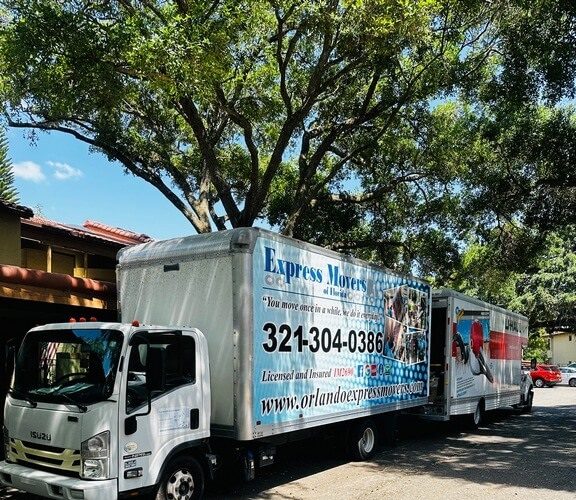
Orlando Express Movers Inc: Reliable Moving Experts for Your Next Move

When it comes to relocating, the process can often be daunting and overwhelming, filled with logistical challenges and emotional stress. That’s where Orlando Express Movers Inc. steps in, offering a seamless solution for all your moving needs. With a steadfast commitment to excellence and customer satisfaction, this reputable moving company has established itself as a leading expert in the industry. Specializing in both residential and commercial moves, Orlando Express Movers Inc. brings years of experience and a dedicated team of professionals who understand the intricacies involved in every relocation. From packing and loading to transportation and unpacking, their comprehensive services are designed to alleviate the burdens of moving, allowing clients to focus on settling into their new spaces. Equipped with state-of-the-art equipment and a fleet of well-maintained vehicles, they ensure that your belongings are handled with care and delivered safely to their destination. Whether you’re moving across town or across the state, Orlando Express Movers Inc. is committed to providing a reliable and efficient moving experience. In this article, we will explore the range of services they offer, customer testimonials, and why they are the go-to choice for individuals and businesses alike in the dynamic city of Orlando.

– Comprehensive Moving Services by Orlando Express Movers Inc for a Stress-Free Experience.

Orlando Express Movers Inc excels in providing a full range of moving services tailored to meet the diverse needs of their clients. With a keen focus on customer satisfaction, the company offers everything from packing and loading to transportation and unpacking. Their skilled team ensures that every step of the moving process is handled with professionalism and care, allowing customers to transition smoothly into their new homes or office spaces. Employing the latest equipment and techniques, Orlando Express Movers Inc minimizes the risk of damage to belongings while maximizing efficiency.

Understanding that moving can often be a daunting experience, Orlando Express Movers Inc prioritizes creating a stress-free environment for their clients. They work closely with each customer to develop personalized moving plans that fit specific schedules and budgets. By offering flexible options and clear communication, the company alleviates common moving anxieties, ensuring that clients feel supported and informed throughout the entire process. With Orlando Express Movers Inc, clients can trust that their move will be handled with the utmost care and expertise, allowing them to focus on settling into their new space.

– Trusted Expertise in Local and Long-Distance Moves with Orlando Express Movers Inc.

Orlando Express Movers Inc brings a wealth of expertise to both local and long-distance relocations, making them a preferred choice for clients seeking reliable moving solutions. Their team of experienced professionals is well-versed in the intricacies of logistics, ensuring that every move is executed with meticulous attention to detail. Whether navigating the challenges of a short-distance transfer or the complexities of a long-haul journey, Orlando Express Movers Inc employs strategic planning and resource management to facilitate seamless transitions.

The company’s commitment to excellence is evident in their comprehensive understanding of regional and interstate regulations, which helps in avoiding potential pitfalls during the moving process. Each move is supported by a robust network and cutting-edge technology that enhances tracking and communication, providing customers with real-time updates on their belongings. With Orlando Express Movers Inc, clients can trust that their possessions are in capable hands, enabling them to focus on settling into their new environments with peace of mind.

– Customer Satisfaction: Orlando Express Movers Inc Delivers Reliable and Efficient Moving Solutions.

Customer satisfaction is at the forefront of Orlando Express Movers Inc’s mission, as the company consistently prioritizes the needs and expectations of its clients. By fostering open lines of communication throughout the moving process, they ensure that customers feel informed and involved every step of the way. This emphasis on transparency not only builds trust but also allows for prompt adjustments in response to any specific concerns or requirements that may arise during a move.

Moreover, Orlando Express Movers Inc takes pride in their efficient operational practices, which are designed to minimize stress for clients. Their well-trained staff handles every aspect of the relocation process, from packing to unloading, with professionalism and care. This dedication to high-quality service results in a smooth experience that exceeds customer expectations, ultimately reinforcing the company’s reputation as a reliable partner in any moving endeavor.

In conclusion, Orlando Express Movers Inc. stands out as a reliable and professional choice for those planning their next move. With a commitment to exceptional service, a team of experienced professionals, and a customer-centric approach, they ensure that every aspect of the moving process is handled with care and efficiency. Whether you are relocating locally or embarking on a long-distance journey, their expertise and dedication to customer satisfaction make them a trusted partner in navigating the complexities of moving. Choosing Orlando Express Movers means you can focus on settling into your new home while they take care of the logistics, making your transition as smooth and stress-free as possible.

read more