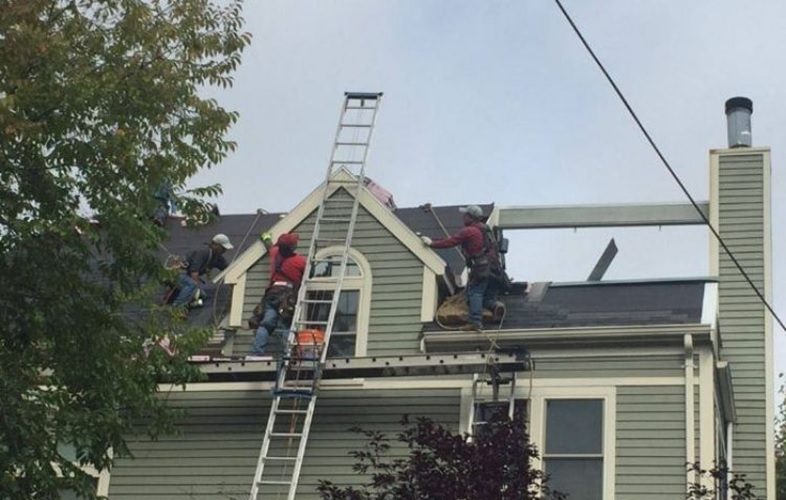
Choosing new windows can be one of the more noticeable changes homeowners make to a property. The style, frame, glass, and operation all influence how the finished project looks and functions. Yet the window itself is only part of the equation. Careful window installation also depends on what happens around the opening, including preparation, flashing, sealing, alignment, and finishing details that homeowners may never see once the project is complete.
Homeowners considering window installation in Attleboro can benefit from understanding these less-visible parts of the project. Instead of focusing exclusively on the appearance of a new window, it helps to know what may happen from the time the existing unit is removed until the surrounding interior and exterior areas are finished.
Every Window Starts With the Opening
Before a new window goes into place, the existing opening deserves attention.
Measurements need to be appropriate for the selected window, but dimensions are not the only consideration. Once an old unit is removed, previously concealed portions of the opening may become visible.
This can reveal conditions that were difficult to observe beforehand.
The surrounding area should be properly prepared before the new unit is installed. If damage or another unexpected condition is discovered, homeowners should understand what was found and how it may affect the project before work continues.
Proper Flashing Deserves Attention
Windows interrupt the exterior wall’s water-management system, making the area around the opening particularly important.
The U.S. Department of Energy explains that properly installed flashing helps direct water away from window and door openings rather than into the wall cavity.
Although homeowners may never see much of this material after the project is finished, flashing is an important part of the installation process.
When discussing a project, homeowners can ask how water will be managed around the opening and how the window installation will integrate with the surrounding exterior materials.
Sealing Around the Window Matters Too
A window can be an appropriate size and still require careful attention to the space between the unit and the surrounding opening.
These gaps are part of the home’s exterior envelope.
Air sealing around the opening can help limit uncontrolled air movement, making this another detail homeowners should understand when discussing window installation.
Rather than evaluating the project solely by whether the finished trim looks attractive, homeowners can ask what steps are being taken behind those finished surfaces.
The details that eventually disappear from view can be just as important as the ones that remain visible.
Think About the Interior Finish Before Work Starts
Removing an existing window may affect surrounding trim or other interior finishes.
Before installation day, homeowners should ask what portions of the existing interior are expected to remain and what may need to be removed or replaced.
This is especially useful in rooms with custom trim, recently painted walls, built-in furniture, or window treatments.
Knowing what to expect makes it easier to prepare the room and plan any finishing work that may be necessary afterward.
It can also prevent homeowners from assuming that every surrounding decorative element is automatically included within the same project scope.
Examine the Exterior Around Each Window
The outside of the opening can vary significantly from one home to another.
Windows may be surrounded by siding, brick, trim, or other exterior materials. Their condition and configuration can influence how the project is approached.
Walk around the house before work begins and look at the areas immediately surrounding the windows being replaced.
If siding work, exterior painting, or another renovation is planned, mention it before installation.
Coordinating related improvements can make more sense than completing one project without considering how another may later affect the same area.
Prepare Each Room for Installation Day
Homeowners can make the work area easier to access by preparing rooms in advance.
Curtains, blinds, and other window treatments may need to be removed. Furniture positioned directly in front of the window may also need to be relocated temporarily.
Ask how much clear space installers need.
Fragile decorations and nearby belongings can be moved somewhere safe, while floors and furniture can be protected as appropriate.
Homes with children or pets may require additional planning to keep them safely separated from active work areas.
Expect Some Disruption
Even an organized window installation project involves active construction.
There may be noise as old units are removed and new ones are positioned. Installers may move repeatedly between indoor and outdoor areas, and portions of a room may be temporarily unavailable.
Homeowners working remotely may want to plan meetings around the anticipated work schedule.
Families can also decide which rooms will be easiest to use while installation is taking place elsewhere in the house.
Understanding that temporary disruption is normal makes it easier to plan the household routine around the project.
Ask About Unexpected Conditions
Some aspects of an existing opening cannot be fully evaluated until the old window has been removed.
This is why homeowners should ask beforehand what happens if an unexpected condition is discovered.
Who will explain the issue? Could additional work be necessary? Will the homeowner have an opportunity to understand changes to the scope before they are completed?
Having this conversation before installation day can make surprises easier to manage.
It also gives homeowners a clearer understanding of where the planned installation ends and where additional repair work could begin.
Check How the New Window Operates
After a window is installed, homeowners should not focus exclusively on its appearance.
Open and close operable windows. Learn how locks and other hardware function. Ask about any features that operate differently from the previous units.
Homeowners should also look at the surrounding finished areas from both inside and outside where safely accessible.
If something about the operation or appearance is unclear, the final walkthrough is an appropriate time to ask.
Understanding the new windows immediately can make everyday use easier after the installers leave.
Learn the Basic Maintenance Requirements
Different window materials and components can have different maintenance recommendations.
Homeowners can ask how frames, glass, tracks, screens, and accessible hardware should be cleaned and maintained.
Avoid assuming that a product should be lubricated, adjusted, or cleaned with a particular chemical without checking the manufacturer’s guidance.
Warranty documentation should also be kept somewhere accessible.
If a problem develops later, having information about the product and installation can make it easier to determine the appropriate next step.
Keep Records From the Project
A completed home improvement should leave homeowners with more than a visual change.
Keep contracts, product information, warranty documents, receipts, and other relevant paperwork associated with the project.
For a whole-house installation, homeowners may also find it useful to record which windows were installed in each room.
These records can become helpful when planning future renovations or maintenance.
They may also provide useful information for future homeowners if the property is eventually sold.
Judge the Project by More Than Appearance
New windows can change the appearance of a room and the exterior of a house, but a successful project involves details that are much less visible. Preparation of the openings, flashing, sealing, finishing, operation, and documentation all deserve attention during window installation. Understanding these steps gives homeowners a better way to evaluate the complete project instead of judging the result only by what they can see from across the room.
Homeowners planning new windows can speak with United Better Homes Attleboro about their property, the windows they want to update, and what to expect throughout the installation process. Taking time to understand both the visible and hidden parts of the project can help homeowners approach their window upgrade with clearer expectations.