




close

Home

Home

How Singaporeans Use Pilates Principles to Redesign Small Apartments Into Movement-Supporting Homes

Urban living in Singapore comes with many advantages, but space is rarely one of them. As homes become more compact and lifestyles become more dynamic, many people find themselves spending more time indoors while juggling work, family, and personal wellbeing. With long sitting hours, limited movement variety, and an increasing need for mentally calming spaces, the design of the modern home now plays a major role in physical comfort and long-term wellness.

A growing number of Singaporeans are turning to movement-based principles to rethink how their living spaces should function. Instead of treating the home as a passive environment, they want it to support alignment, breath quality, stability, and everyday mobility. This shift explains why many people who practise pilates singapore begin applying its principles to their home layout. Pilates is built on control, balance, precision, and mindful spatial awareness, all of which translate effortlessly into interior design for small apartments.

This article explores how Pilates-based thinking helps Singaporeans design homes that support healthier movement, reduce daily tension, and encourage a calmer, more intentional way of living.

Why traditional home layouts fall short for modern bodies

Most homes are built around convenience rather than biomechanics. They favour static positions, such as sitting, lying down, or leaning into soft furniture. With today’s work-from-home patterns, these static environments contribute to:

  • Narrow movement patterns

  • Reduced spinal mobility

  • Weak stabiliser muscles

  • Stiff fascia

  • Shallow breathing habits

  • Difficulty maintaining good posture

People begin noticing these changes through neck tightness, back discomfort, or mid-day fatigue. Over time, the environment becomes a contributor to discomfort rather than a supportive space.

Pilates shifts this mindset by encouraging purposeful movement and body awareness. When these principles influence home design, the result is a space that supports strength, fluidity, and mental clarity instead of working against the body.

Understanding Pilates principles that influence spatial design

To transform a home into a movement-supporting environment, it is essential to understand the deeper principles that guide Pilates.

Precision

Pilates movements require accuracy and clean alignment. This principle translates into organising the home with intentional placement of furniture so movements remain unobstructed and symmetrical.

Control

Pilates teaches the body to move with stability. A well-designed home supports controlled movement by ensuring clear pathways and reducing clutter that disrupts mobility.

Breathing

Breath quality influences posture, emotional balance, and circulation. A home designed with ventilation, natural light, and calm spaces helps maintain a clean breathing rhythm.

Centering

Pilates prioritises core stability. In spatial terms, this principle encourages balanced weight distribution, grounding, and ergonomic setups to avoid overloading the spine.

Flow

Movements in Pilates transition smoothly. When applied to a home, flow becomes the foundation for designing easy, uninterrupted movement paths.

These principles allow even small apartments to feel more open and supportive.

How Singaporeans integrate Pilates concepts into small homes

Applying Pilates principles does not require major renovations. It begins with subtle yet meaningful adjustments that support everyday movement patterns.

Creating micro-movement zones

Small apartments often lack dedicated wellness areas, but Pilates-inspired zoning creates pockets of space for alignment-focused activities. These zones may include:

  • A section with enough floor space for gentle mobility

  • A standing area for posture resets and breathwork

  • A corner for light Pilates mat exercises

  • A small open space for spinal decompression movements

These zones help the body break out of repetitive patterns throughout the day.

Reducing visual and physical clutter

Pilates thrives on clarity. Clutter disrupts focus, restricts movement, and overstimulates the nervous system. In a home, reducing clutter helps:

  • Lower visual stress

  • Improve movement flow

  • Make transitional movements smoother

  • Encourage mental calmness

A clearer environment mirrors the clarity Pilates cultivates internally.

Selecting furniture that supports alignment

Furniture affects posture dramatically. Home design inspired by Pilates prioritises alignment-supportive choices:

  • Sofas with firmer cushions that encourage upright posture

  • Chairs that support neutral spine positioning

  • Workspaces with adjustable heights

  • Beds with proper spinal support

  • Low furniture that encourages natural squatting and hip mobility

These choices transform daily habits without the person even noticing.

Incorporating stability challenges into daily life

Pilates strengthens stabiliser muscles, which are often underworked during a regular day at home. Subtle design choices increase daily activation:

  • Using rugs that provide light sensory feedback

  • Choosing chairs without armrests to activate core control

  • Opting for stools or balance-friendly seats

  • Introducing slight height differences between spaces for mindful stepping

These micro-challenges improve balance and neuromuscular awareness.

Designing for airflow and breath quality

Pilates depends on controlled breath. Homes that mirror this support better wellbeing:

  • Open windows for fresh airflow

  • Plants that enhance air quality

  • Light curtains that diffuse harsh lighting

  • Quiet corners for mindful breathing breaks

Breath-optimised spaces create an internal sense of calm that aligns with movement resilience.

Movement behaviour is shaped by the environment

People often assume poor posture or stiffness comes from weak muscles. In reality, the environment influences movement behaviour more than they realise. A living space that encourages slouching leads to habitual slouching. A home that promotes uprightness results in better alignment naturally.

How homes influence posture

Posture is not a static pose. It is a reaction to:

  • Chair height

  • Table depth

  • Screen angle

  • Cushion softness

  • Light direction

  • Temperature

  • Spatial pathways

Pilates teaches body awareness, and applying this awareness to a home encourages the body to adopt healthier patterns naturally.

Movement flow becomes part of daily living

Homes designed with Pilates principles improve movement transitions:

  • Sitting to standing

  • Standing to bending

  • Reaching movements

  • Turning movements

  • Walking from room to room

When these transitions feel smooth and effortless, strain reduces and mobility improves over time.

Using Pilates principles to counteract space limitations

Singapore homes often face the challenge of limited space. Pilates-based design helps maximise movement freedom through purposeful organisation.

Multi-functional spaces

A single area can serve many roles:

  • A living room that transforms into a mobility zone

  • A study area that converts into a breathwork corner

  • A bedroom with open floor sections for alignment resets

This approach prevents small homes from becoming restrictive.

Vertical space utilisation

Pilates encourages upward lift and extended posture. Homes that use vertical elements support this principle:

  • Tall bookshelves that encourage upward gazing

  • Wall-mounted storage that opens floor space

  • Vertical mirrors that support alignment feedback

  • Hooks or racks for light mobility equipment

This encourages length, awareness, and balance.

Intentional lighting

Pilates relies on calm focus. Lighting that supports this includes:

  • Soft, warm lights

  • Natural daylight near movement zones

  • Adjustable lamps for work areas

Lighting directly influences body tension and breathing rhythm.

How Pilates enhances daily micro-movements at home

Micro-movements are the small actions people perform subconsciously throughout the day. When guided by Pilates principles, these movements become healthier and more efficient.

Examples of Pilates-influenced micro-movements

  • Engaging the core when lifting grocery bags

  • Aligning the spine when opening cupboards

  • Maintaining neutral pelvis when sitting on the sofa

  • Using breath to release tension while washing dishes

  • Stabilising the shoulder girdle when reaching overhead

These subtle adjustments accumulate into long-term physical resilience.

Long-term benefits of Pilates-inspired home design

A home aligned with Pilates principles supports physical longevity and mental wellbeing.

Reduced strain during daily activities

The body moves more efficiently, reducing tension and discomfort.

Better posture without conscious effort

The environment gradually shapes healthier movement patterns.

Improved mental clarity

Clutter-free, breathable spaces reduce sensory overload.

Enhanced movement confidence

Clear pathways encourage natural movement exploration.

A calmer nervous system

Spaces designed for grounding and breath reduce stress at home.

Why Singaporeans value movement-supportive homes

With urban lifestyles becoming more demanding, the home is no longer just a place to rest. It is a space for recovery, alignment, and mental reset. Singaporeans value homes that help them maintain:

  • High productivity levels

  • Physical resilience

  • Emotional balance

  • Daily mobility

  • Long-term health

Pilates provides the perfect framework for achieving these goals, and its principles easily translate into home design choices that support a healthier life.

Adding professional structure into the home routine

Many Singaporeans who bring Pilates principles into their home setup also benefit from guided training in structured studio environments. Consistent sessions build the body awareness needed to apply movement wisdom at home. Supportive environments such as Yoga Edition help reinforce these skills, making it easier for individuals to maintain alignment and stability throughout daily living.

FAQ

Q. Can I apply Pilates principles to my home even if I live in a very small apartment?

Yes. Pilates-inspired design focuses on clarity, flow, breath, and micro-movement. Even a small space can support these qualities with intentional arrangement.

Q. Do I need equipment to make my home movement-friendly?

No. The goal is to create space for mobility and good alignment. Simple changes like clear pathways, ergonomic chairs, and breathable lighting can make a big difference.

Q. How does Pilates improve daily movements at home?

Pilates strengthens stabiliser muscles and increases body awareness. This improves everyday actions such as bending, lifting, reaching, and sitting.

Q. Can home design really influence posture?

Yes. Furniture height, pathway flow, lighting, and clutter all shape how the body moves. A supportive home naturally encourages better posture.

Q. How often should I practise Pilates for the benefits to reflect in my home habits?

Practising two to three times weekly helps the nervous system absorb movement patterns. Over time, these patterns carry into daily habits at home.

read more
Home

Designing a Backyard Play Space That Evolves With a Growing Family

A backyard play area is often planned around what children enjoy at one particular age. A small slide may be perfect for a preschooler, while a basic swing can keep a young child entertained for hours. The difficulty is that children’s interests, abilities and confidence can change quickly.

A play space that works well over several years needs more than a collection of equipment. It should provide different levels of physical challenge, allow room for imaginative play and remain practical as children become taller, stronger and more independent.

Thoughtful planning can help families create a backyard that continues to feel engaging without requiring a complete redesign every few years.

Begin With the Way the Backyard Is Already Used

Before choosing equipment, consider how the family currently uses the outdoor area.

Some backyards are mainly active spaces where children run, climb and play games. Others are shared with outdoor dining, gardening, pets or entertaining. The play zone should fit naturally into these existing routines rather than taking over the entire yard.

Observe where children tend to gather and which areas receive comfortable shade during the times they usually play. Also consider how adults will supervise the space from the kitchen, living room or outdoor seating area.

Useful planning questions include:

  • Which parts of the yard must remain open?
  • Where can children play without crossing driveways or service areas?
  • Can the equipment be seen from commonly used rooms?
  • Is there enough space for safe movement around the structure?
  • Will the area interfere with entertaining, gardening or pets?

A well-positioned play area is more likely to be used regularly because it becomes part of everyday family life.

Create Different Types of Play Within One Area

Children rarely want to use outdoor equipment in only one way. A structure may become an obstacle course one day, a pretend fort the next and a meeting place for friends on the weekend.

The most useful play spaces provide opportunities for several kinds of activity:

  • Climbing and hanging
  • Swinging or suspended movement
  • Balancing and jumping
  • Imaginative games
  • Quiet rest between active play
  • Social play with siblings and friends

Not every feature must be installed immediately. The initial design can provide a strong base with enough surrounding space for future additions.

Open-ended equipment tends to remain interesting longer because children can invent their own challenges instead of following one fixed activity.

Plan for Changes in Height and Ability

A structure designed only for a small child may become too easy within a short period. At the same time, equipment that is too difficult can discourage younger users or increase the likelihood of unsafe improvisation.

An adaptable space allows challenge to increase gradually. This might involve changing the height of certain components, adding more complex climbing accessories or creating new routes through the play area.

Siblings of different ages may also need separate levels of difficulty. A younger child may use lower steps and basic swings, while an older child attempts hanging, balancing or obstacle-based activities.

The aim is not to remove all difficulty. Appropriate physical challenges help children test their abilities and build confidence. The design should simply allow those challenges to develop at a manageable pace.

Choose a Strong Foundation for Future Additions

Families often focus on the number of accessories included with a play structure, but the main frame deserves equal attention. A strong and flexible base can support changes as children develop new interests.

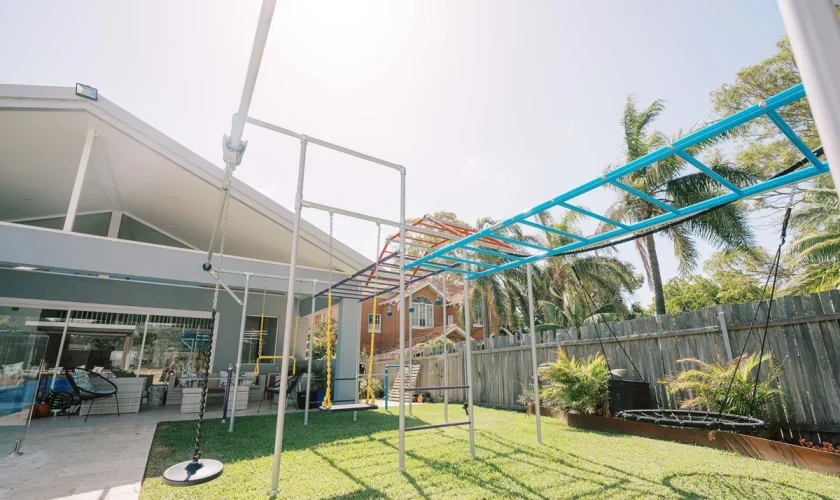
When comparing backyard options, parents may consider Monkey Bars as part of a broader play zone that can incorporate climbing challenges, swings, hanging activities and imaginative games.

The structure should be assessed according to the available yard, the ages of the children and how the family expects to use it over time. A larger setup is not automatically better if it leaves insufficient room for movement or dominates the outdoor area.

A more carefully selected frame with the ability to accept later additions may offer greater long-term usefulness than a crowded structure with features children quickly outgrow.

Allow Enough Space Around the Equipment

The footprint of the equipment is only part of the space requirement. Children need clear areas around climbing points, swings, slides and other moving components.

A swing requires unobstructed space in front and behind it. Climbing areas need suitable fall zones. Entry and exit points should not direct children into fences, furniture or garden features.

The play area should also remain separate from hazards such as:

  • Barbecues and outdoor kitchens
  • Clotheslines
  • Swimming pools
  • Garden tools and chemicals
  • Vehicle access
  • Retaining walls
  • Low branches or overhead cables

Accurate measurements should be taken before purchase. Estimating the space by eye can lead to an overcrowded layout once the equipment is assembled.

Select an Appropriate Ground Surface

The surface beneath outdoor play equipment affects comfort, drainage, maintenance and the consequences of falls.

Hard paving may be easy to clean but can be unforgiving around climbing structures. Lawn provides a softer appearance, although heavily used sections may become compacted, muddy or worn.

Depending on the design and installation requirements, families may consider impact-absorbing materials intended for outdoor play areas. Whatever surface is chosen should be installed and maintained correctly.

Drainage also matters. Water should not collect around the legs or base of the equipment after rain. Persistent moisture can make the area slippery and reduce how often it can be used.

Make Shade Part of the Design

Australian backyards can become extremely hot, especially during the middle of the day. Metal components, dark surfaces and exposed ground may heat quickly in direct sunlight.

Existing trees, rooflines, shade sails or other structures may help protect part of the play area. Shade should be planned in relation to how the sun moves rather than based on conditions at one time of day.

Parents should still check surface temperatures before play, even when shade is available. Seasonal changes can alter sun exposure, and a location that remains cool in winter may receive intense summer sunlight.

The space should also allow airflow. Fully enclosing the play zone may trap heat and reduce visibility.

Maintain Clear Supervision Lines

Children gradually gain independence, but supervision remains important around climbing and moving equipment.

The play area should be visible from the parts of the home where adults commonly spend time. Tall garden beds, solid screens or storage sheds should not block the entire view.

Good visibility does not require placing the structure directly beside the house. It means adults can check the area without walking around several obstacles.

Lighting may also be useful when children play during late afternoons. Outdoor lights should illuminate paths and boundaries without creating glare.

Include Storage for Loose Equipment

Balls, ropes, sporting equipment and removable accessories can quickly spread across the backyard.

A weather-resistant storage box or small shed keeps these items organised and reduces trip hazards. Storage should be close enough for children to return items themselves, but it should not obstruct the play zone.

Rotating loose toys can also renew interest. Instead of leaving everything available at once, families can introduce different items depending on the season or the children’s current interests.

Build in Opportunities for Family Play

Outdoor equipment does not need to be reserved entirely for children. A play space becomes more valuable when parents and siblings can participate safely.

Families might create timed obstacle challenges, practise throwing and catching, or combine climbing activities with simple backyard games.

Shared play encourages children to remain active and gives adults a chance to model safe equipment use. It also makes the area feel like a family space rather than an isolated children’s corner.

Review the Setup as Children Grow

A backyard play area should not be installed and then forgotten. Children become taller, stronger and more adventurous, while weather and regular use can affect the equipment and ground surface.

Periodic reviews should consider:

  • Whether activities remain appropriately challenging
  • Whether accessories need adjustment
  • Whether bolts and connections remain secure
  • Whether the ground surface needs repair
  • Whether nearby trees or plants have changed the available space
  • Whether younger visitors can use the area safely

The layout may also need to change when children begin using larger sporting equipment or when family priorities shift.

Design for Years of Use, Not One Season

The most successful backyard play spaces balance present enjoyment with future flexibility.

A structure should suit the children who use it today while allowing new challenges to be introduced as their strength and confidence develop. Space, supervision, shade, surfacing and maintenance all contribute to how well the area functions.

By planning the backyard as an adaptable environment rather than a fixed collection of equipment, families can create a play space that remains useful, inviting and engaging through several stages of childhood.

read more
Home

How Architectural Features Can Improve the Look and Function of a Home

A well-designed home is not only about furniture, paint colours, or decorative pieces. The strongest homes often have architectural features that shape the way the space looks, feels, and functions. These features may include staircases, windows, ceiling details, archways, built-in storage, exposed beams, internal openings, wall textures, and carefully planned transitions between rooms.

When architectural elements are planned well, they do more than add visual appeal. They guide movement, improve natural light, create balance, and make everyday living more comfortable. A home can feel more spacious, organised, and complete when its structure and design details work together.

What Makes an Architectural Feature Important?

An architectural feature is any fixed or built-in part of a home that adds character, structure, or function. Unlike loose furniture or decor, these features are part of the home itself. They influence how people move through the space and how each room connects with the next.

Some features are practical, such as staircases, windows, storage walls, and room dividers. Others are more visual, such as ceiling beams, feature walls, decorative trims, and statement entryways. The best features usually do both. They look good while also improving how the home works.

For example, a staircase connects levels, but it can also become a design focal point. A large window brings in light, but it can also frame a view. Built-in shelves store items, but they can also add depth and personality to a room.

Staircases That Shape the Home’s Flow

In homes with more than one level, the staircase plays a major role in the layout. It is not just a practical structure. It often affects the look of the entryway, hallway, living area, or open-plan space around it.

A staircase can make a home feel open and elegant, or it can make the space feel heavy and outdated if the design does not match the rest of the interior. Materials, angles, railings, treads, and surrounding finishes all influence the final result.

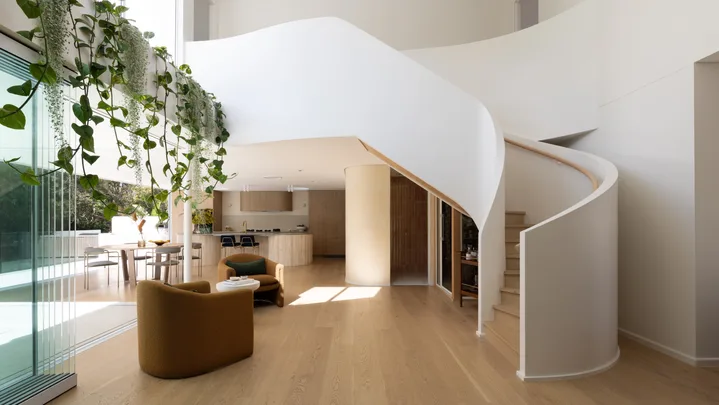
Modern staircases can be designed to suit many styles. Timber can add warmth. Steel can create a sleek industrial look. Glass can make the area feel lighter. Curved or floating designs can add a sense of movement and sophistication.

Homeowners planning upgrades often look at specialists such as Aussie Stairs when they want the staircase to work as both a safe access point and a strong architectural feature. A well-planned staircase can improve the entire feel of a home, especially when it is visible from main living areas.

Windows and Natural Light

Windows are among the most important architectural features in any home. They affect light, ventilation, privacy, views, and energy comfort. The size, position, and style of windows can completely change how a room feels.

Large windows can make a small room feel more open. High windows can bring in light while maintaining privacy. Corner windows can create a stronger connection to the outdoors. Skylights can brighten internal areas that do not receive enough natural light.

Good window design is not only about making rooms brighter. It also controls how light enters throughout the day. Harsh afternoon sun may need shading, while soft morning light can make bedrooms or kitchens feel more pleasant.

Window frames also contribute to the home’s style. Slim black frames may suit modern interiors, while timber frames can add warmth and texture. The right window choice helps connect indoor and outdoor spaces while supporting the overall design.

Ceiling Details That Add Character

Ceilings are often ignored in home design, but they can make a big difference. A plain ceiling is fine in many rooms, but thoughtful ceiling details can add height, warmth, and personality.

Exposed beams can bring a natural or rustic feel. Recessed ceilings can create depth. Skylights can add light from above. Timber lining boards can make a room feel warmer. Decorative cornices can suit classic interiors.

Ceiling height also affects comfort. High ceilings can make a home feel spacious, while lower ceilings can create a more intimate feeling. In open-plan spaces, ceiling changes can help define zones without needing walls.

For example, a kitchen area may have a different ceiling treatment from the dining or living area. This helps separate the spaces visually while keeping the layout open.

Archways and Internal Openings

Walls divide a home, but openings create flow. Doorways, archways, internal windows, and open passages help connect rooms while still giving each area its own purpose.

Archways can add softness and character, especially in homes that feel too boxy. Wide openings can improve movement between living, dining, and kitchen areas. Internal windows can let light pass between rooms while keeping separation.

These features are useful when homeowners want connection without losing structure. Fully open-plan living is not always the best choice for every household. Sometimes partial separation works better because it allows quieter zones, better furniture placement, and more privacy.

The shape and size of openings should match the style of the home. A modern property may suit clean rectangular openings, while a character home may suit softer arches or detailed trims.

Built-In Storage That Looks Seamless

Storage is one of the most valuable features in a home. When storage is built into the architecture, it can make the house feel cleaner and more organised.

Built-in wardrobes, under-stair storage, window seats with drawers, hallway cupboards, wall shelving, and custom cabinets can all reduce clutter. They also make better use of awkward spaces.

The best built-in storage looks like it belongs. It should match the surrounding walls, flooring, handles, and finishes. When done well, storage becomes part of the design rather than something added later.

Under-stair storage is a good example. This space is often wasted, but it can become a cupboard, wine storage, bookcase, home office nook, or display area. A practical storage feature can also improve the visual balance of the staircase area.

Feature Walls and Textured Surfaces

Feature walls can give a room personality, but they need to be used carefully. Too many feature walls can make a home feel busy. A single well-chosen surface can create depth and focus.

Textured plaster, timber panelling, stone, brick, wallpaper, tiles, or painted detail walls can all work depending on the home’s style. These surfaces are especially useful in entryways, dining areas, bedrooms, stairwells, and living rooms.

A feature wall should have a reason. It may highlight a fireplace, frame a bedhead, draw attention to artwork, or add warmth to a hallway. The material should connect with other finishes in the home so it does not look random.

Texture is also useful because it adds interest without needing too much decoration. A room with strong architectural texture often needs fewer accessories.

Entryways That Set the Tone

The entryway is the first part of the home people experience. It should feel welcoming, but it also needs to be practical. A strong entryway can include good lighting, storage, flooring, a feature wall, a mirror, or a direct view toward an architectural element such as a staircase.

A small entry can still feel impressive if it is planned well. Clear flooring, a neat console, wall hooks, and warm lighting can make the space more useful. In larger homes, the entry might include higher ceilings, a statement door, or a staircase that adds visual impact.

The entryway should give a sense of what the rest of the home feels like. If the interior is modern and minimal, the entry should reflect that. If the home is warm and natural, the entry can use timber, soft lighting, and textured finishes.

Outdoor Connections

Architectural features are not limited to the inside of the home. The way a house connects to outdoor areas can strongly affect comfort and lifestyle.

Sliding doors, covered patios, balconies, decks, pergolas, and outdoor stairs can all improve how a home is used. A strong indoor-outdoor connection can make living spaces feel larger and more flexible.

This is especially useful for entertaining, family time, and natural ventilation. When outdoor access is easy, people are more likely to use the garden, balcony, or courtyard as part of daily life.

Materials should flow between inside and outside where possible. Similar flooring tones, matching handrails, aligned openings, or repeated textures can create a smoother transition.

Balancing Beauty and Practicality

Architectural features should not only look impressive. They should also make sense for the people living in the home. A dramatic staircase, oversized window, or feature wall may look good in photos, but it must also suit daily life.

Before adding or changing a feature, homeowners should think about maintenance, safety, light, privacy, cleaning, movement, and long-term use. A beautiful feature that creates inconvenience may not be the right choice.

The best homes balance beauty with function. Every feature should support the way the household lives, not only the way the home looks.

A Better Home Starts With Strong Design Choices

Architectural features give a home structure, personality, and purpose. They can make rooms feel brighter, movement feel smoother, storage feel easier, and interiors feel more complete.

Whether it is a staircase, window, ceiling detail, built-in shelf, feature wall, or entryway, each fixed element plays a role in the overall experience of the home. When these features are chosen carefully, they improve both appearance and everyday function.

A home does not need to be large or expensive to feel well designed. It needs thoughtful features that work together, support the layout, and make daily living more comfortable.

read more
Home

Co-Living Spaces In Hong Kong: Home For Professionals And Students

No more stress! You will enjoy the hassle-free move-in to the co-living apartments in Hong Kong (香港 共居 公寓).

Leave your bags in a co-living apartment and settle in comfortably in the communal area, like a cozy home. Make a nice drink and open your favorite book in your spare time. The feeling of relaxing in your own home is similar to a co-living apartment.

Stay in a co-living apartment!

A co-living space is ideal for people who value community and flexibility. The shared accommodation has been known to and mostly chosen by:

  • young professionals
  • digital nomads
  • remote workers
  • students

Individuals seeking affordable housing options in urban areas can live in a co-living apartment. The benefits of a home you can get in a co-living apartment are:

  • move-in-ready rooms
  • shared amenities
  • social opportunities

The co-living space is a perfect home for those who look forward to networking and meeting new people. Expats or travelers who stay for a few months will find co-living an ideal space. There is no hassle of furniture set up and long-term leases. Freelancers and entrepreneurs benefit from the collaborative vibe of the home, as many co-living spaces offer a coworking area for productivity.

The co-living space is suitable for a balance between community and privacy in a flexible living arrangement.

Services covered under a co-living home

Co-living homes offer more than a room, providing a complete living experience for convenience and community. Renters can save a lot from a co-living space as they are paying a single monthly rate, which favors them. It covers the following:

  • rent
  • utilities
  • high-speed Wi-Fi
  • weekly housekeeping services
  • laundry facilities
  • fully furnished rooms
  • shared kitchens

If you wish to stay in a more cozy co-living space home, look for services that include:

  • shared lounges
  • workspaces
  • rooftop terraces
  • fitness areas

There are organized events for building social interaction among residents, such as:

  • community events
  • workshops
  • networking

The management usually handles the maintenance and security for a hassle-free lifestyle. The all-inclusive services make co-living appealing to busy professionals and foreign students, including travelers.

Co-living is affordable

Renting is the largest monthly expense people will have when working in places away from their homes. Some spend 45% of their income on apartment lease, which is a big sum of money. When saving money, living with roommates is the best way to reduce spending. It is when co-living space comes as the best solution.

The rental fee is not the only expense while leasing, you need to factor in the following:

  • security deposits
  • broker’s fees
  • Cost of buying new furniture
  • kitchen supplies

Renting a new apartment can be quite a blow to your bank account. A co-living space not only reduces the rental fee, but you do not have to buy your own couch and Wi-Fi. All are readily available to use. You are paying for all the services included in the monthly payment. Everyone is sharing the payment of the rental fee.

It means you are not paying solo.

Eliminate the financial liability of roommates!

Co-living works with financial anxiety associated with living with your roommates. But, offering individual room leases in one apartment makes this co-living style eliminate the stress around roommates moving out early and paying rent on time. Instead, things go altogether.

The rental payment will be made in one time, no advance, and no late payments. You are not the only renter who pays for the utilities up front and harasses your roommates to reimburse you. Utilities and rent are included in the monthly payment.

Conclusion

More people are choosing co-living apartments when looking for practicality and a ready-to-move-in space.

read more
Home

How to Increase the Value of Your House Before Selling

Selling a house isn’t just about putting up a “For Sale” sign and hoping for the best. It’s about positioning your property to stand out, attract buyers, and ultimately command the highest price possible. Whether you’re planning to sell this year or just exploring options, improving the value of your maison can deliver excellent returns, both financially and emotionally.

In this article, you’ll learn how to evaluate your house through the buyer’s lens, what upgrades truly matter, and how to elevate your home’s market value without breaking the bank.

Start With a Professional Evaluation

Before making improvements, you need to know where you stand. A professional home evaluation will give you a clear understanding of your property’s current value and what’s holding it back.

Why Evaluation Is Crucial

A proper valuation not only helps you set a realistic asking price, but also:

  • Identifies outdated areas or features
  • Shows you how your home compares to others nearby
  • Gives you the data you need to plan strategic upgrades

Key Areas That Add Real Value

While it may be tempting to start with cosmetic upgrades, it’s essential to prioritise the areas buyers care about most.

Kitchen Updates

The kitchen is often considered the heart of the home. Buyers pay close attention to layout, cabinetry, countertops, and appliances.

High-impact kitchen upgrades include:

  • Replacing old countertops with quartz or granite
  • Installing modern cabinet hardware
  • Upgrading to energy-efficient appliances
  • Repainting cabinets in neutral tones

Bathroom Improvements

A clean, functional, and modern bathroom increases both appeal and value.

What to focus on:

  • Replace outdated fixtures and mirrors
  • Install modern lighting and ventilation
  • Retile worn or stained floors and walls
  • Add a new vanity or storage cabinet

Boosting Curb Appeal

First impressions start on the street. Enhancing your home’s exterior can make buyers feel confident before they even walk in.

Quick curb appeal upgrades:

  • Fresh paint on the front door and shutters
  • Landscaping with seasonal plants
  • Clean or replace gutters
  • Add exterior lighting for evening viewings

Improving Energy Efficiency

Modern buyers are increasingly energy-conscious. A house with energy-efficient features not only saves money but also commands a higher resale value.

Energy upgrades to consider:

  • Double- or triple-pane windows
  • Programmable thermostats
  • Solar panels (depending on ROI)
  • Improved insulation and weatherproofing

Creating Functional Outdoor Spaces

Especially post-pandemic, buyers love the idea of an outdoor retreat. A functional and attractive outdoor area is now a major selling point.

Ideas to consider:

  • Add a deck or patio
  • Install pergolas or shade solutions
  • Create zones for seating, dining, and gardening
  • Use ambient lighting for a cozy atmosphere

Don’t Overinvest in the Wrong Upgrades

Not every improvement will boost your value, and some can hurt it.

Avoid Personalised Design Choices

Bright wall colours, themed rooms, or bold flooring might appeal to you, but not to most buyers. Stick with neutral styles that allow others to envision their own style.

Be Cautious With Overbuilding

Adding too many luxury features or overextending your square footage may price your house out of the neighborhood. Always compare with nearby properties before making major additions.

Enhance What You Already Have

Sometimes, a little love and elbow grease go a long way. Deep cleaning and decluttering can add perceived value, without spending a fortune.

Declutter and Depersonalise

Buyers need to see the potential of the space. Remove family photos, bulky furniture, and non-essential decor. Minimalism makes rooms feel bigger and more inviting.

Deep Clean Everything

We’re not talking just vacuuming. Think:

  • Steam cleaning carpets
  • Polishing hardwood floors
  • Cleaning windows inside and out
  • Scrubbing tiles and grout

Improve Lighting

Replace outdated light fixtures and maximise natural light where possible. Bright homes appear more open, fresh, and appealing.

Add Smart Home Features

Technology can be a powerful selling point, especially for younger buyers.

Budget-friendly smart upgrades:

  • Smart thermostats
  • Video doorbells
  • Motion-sensor outdoor lights
  • Smart locks and garage openers

These features increase convenience, safety, and energy efficiency — all desirable traits.

Preparing for Sale: Last Touches That Matter

Even small finishing touches can influence buyer perception and potentially impact offers.

Fresh Paint

A new coat of paint (preferably in neutral tones) makes everything feel cleaner and newer.

Scent and Ambience

Light candles or bake cookies before a showing. Pleasant scents and a warm atmosphere can make a lasting impression.

Staging

If possible, stage your home professionally. It can increase the sale price and reduce time on the market by showing the full potential of each room.

FAQ: What Sellers Should Know Before Listing Their House

  1. How do I know which upgrades will give me the best return?
    A. Focus on kitchens, bathrooms, and curb appeal first. Energy efficiency and storage are also strong ROI categories. Always compare with what buyers expect in your market.
  2. Is it worth investing in smart home features before selling?
    A. Yes, as long as you choose functional upgrades. Smart thermostats and security systems are especially attractive to modern buyers.
  3. Should I renovate before getting an appraisal or after?
    A. Ideally, get an appraisal first. This helps you identify areas that are undervaluing your home so you can renovate strategically.
  4. What’s the least expensive way to boost value fast?
    A. Deep cleaning, painting, decluttering, and staging. These low-cost strategies can dramatically enhance your home’s presentation and perceived value.
  5. Can landscaping really increase the value of my house?
    A. Absolutely. Even simple landscaping upgrades can improve curb appeal and boost buyer interest, leading to faster sales and stronger offers.
read more
Home

Best Mold Removal Company – Guaranteed Safe & Effective Solutions

Mold infestations can pose significant health risks and structural damage to homes and commercial properties, making prompt and effective remediation essential. In an age where indoor air quality and environmental safety are paramount, selecting the right mold removal company is crucial for ensuring a safe living or working environment. This article delves into the best mold removal companies that offer guaranteed safe and effective solutions, prioritizing health, safety, and customer satisfaction. We will explore the criteria for selecting a reputable mold remediation service, including certifications, experience, and the use of advanced techniques and environmentally friendly products. With a focus on thorough inspections, comprehensive removal strategies, and proactive prevention measures, these companies are not only equipped to tackle existing mold problems but also to prevent future occurrences. Whether you are dealing with a small patch of mold in a bathroom or a widespread infestation in a basement, understanding the options available can empower property owners to make informed decisions. Join us as we highlight the top contenders in the mold removal industry, providing insights into their methodologies, customer testimonials, and the guarantees they offer to ensure your space remains healthy and mold-free.

– Expertise of the Best Mold Removal Company

The expertise of a top-tier mold removal service is critical in ensuring effective remediation and safeguarding the health of occupants. Professionals in this field are equipped with specialized knowledge about mold biology, growth conditions, and the most effective remediation techniques. They utilize advanced diagnostic tools to assess the extent of mold infestations accurately, allowing for a tailored approach to each unique situation. By adhering to industry standards and best practices, the leading mold removal experts provide not only comprehensive remediation but also preventative measures to minimize the risk of future outbreaks.

In addition, the commitment to affordability without compromising quality is a hallmark of the best mold removal companies. They understand the financial strain that mold problems can impose, and they offer transparent pricing structures that cater to various budgets. By prioritizing customer satisfaction and safety, these companies ensure that clients receive the most effective solutions while maintaining accessibility. Through a combination of expert knowledge and a customer-centric approach, these services deliver peace of mind and a healthier living environment.

– Affordable Remediation Options for Homeowners

Homeowners facing mold issues can explore a range of affordable remediation options designed to restore their living spaces without causing undue financial stress. Many reputable services provide customizable plans that address the specific needs of each household, allowing for remediation strategies that fit different budgets. These options can include targeted removal of contaminated materials, thorough cleaning processes, and the application of environmentally safe treatments that inhibit future mold growth.

Additionally, advanced technologies such as moisture control solutions and improved ventilation systems are often recommended as cost-effective preventive measures. By investing in these strategies, homeowners not only tackle existing mold problems but also enhance the long-term health and safety of their environment. The best mold removal companies strive to empower clients with knowledge and resources, ensuring that affordable remediation does not sacrifice effectiveness or safety.

– Commitment to Safe and Effective Solutions

The dedication to providing safe and effective solutions is paramount in the mold remediation industry, ensuring that both the immediate concerns and long-term health of occupants are prioritized. Leading companies emphasize the use of non-toxic, environmentally friendly products that minimize health risks while effectively eliminating mold. This commitment extends to thorough assessments and transparent communication, allowing homeowners to understand the processes involved and ensuring that all work is conducted with the utmost care and attention to detail.

Furthermore, the integration of industry best practices and adherence to safety protocols are critical components of these services. By employing trained professionals who utilize advanced equipment and techniques, the best mold removal companies can achieve lasting results that not only eliminate current issues but also prevent future occurrences. This holistic approach reinforces the notion that affordable remediation should never compromise safety or effectiveness, giving homeowners peace of mind in their choice of remediation partners.

In conclusion, selecting the best mold removal company is crucial for ensuring a safe and effective remediation process. A reliable service provider not only utilizes advanced techniques and environmentally friendly products but also prioritizes the health and safety of your home and its occupants. By conducting thorough assessments and offering tailored solutions, these professionals can effectively eliminate mold while preventing future growth. As mold issues can pose significant risks to both property and health, investing in a trusted mold removal expert is essential. With the right company, you can rest assured that your space will be restored to a safe and healthy environment.

read more
Home

Artificial Grass in Arizona: Sustainably Transforming the Arid Landscape

Arizona’s iconic desert landscape is both a reason for its charm and a unique challenge for its citizens. The intense heat and scarcity of water have long been legislators of the local lifestyle and habits — including the maintenance of lush green lawns synonymous with water consumption.

For a growing number of Arizona residents and landscaping businesses, the transition to using artificial grass, also known as turf, has become a beacon of environmental awareness and conservation. This post explores the profound environmental benefits of adopting artificial grass in Arizona, equipping you with the knowledge to make an eco-conscious change to the southwestern expanse.

Preserving the Water Supply

Water conservation in Arizona is not merely a buzzword; it is a vital concern essential for the future of the state and its inhabitants. Artificial grass in Phoenix and across Arizona significantly reduces water consumption compared to natural lawns. Traditional lawns in this arid climate can drink in between 50-70 inches of water annually, primarily through irrigation. In contrast, artificial grass requires an occasional rinse to prevent dust buildup and stay cool during hot months — generally 1-3 inches per year, making it a staggering 20- to 70-fold water saving.

The Drought Solution

With Arizona’s average annual rainfall ranging from 3 to 13 inches, depending on the location, the sustainability of the water supply is under constant pressure. Implementing artificial turf is a tangible response to the drought conditions. It serves as a low-effort, year-round green solution that doesn’t deplete the precious water reserves needed for more critical applications.

Impact on Aquatic Life

The artificial turf’s water-saving properties echo through the aquatic ecosystem. Less demand for freshwater translates to less barraging of rivers, tributaries, and aquifers, which are vital to the state’s unique biodiversity. By choosing artificial grass, residents aren’t just improving their immediate environment; they’re contributing to a healthier, balanced ecosystem statewide.

Cutting Down on Chemical Usage

One of the less-discussed but significant benefits of artificial grass is the consequential decrease in chemical usage. Traditional lawn care often requires a cocktail of fertilizers, pesticides, and weed killers, many of which have detrimental effects on the environment and can leach into water supplies, compounding the pollution issue.

Runoff Reduction

The non-porous nature of artificial grass prevents chemicals used on natural lawns from washing away with rain or irrigation and ending up in the local water systems. The runoff reduction is a critical aspect of maintaining water quality, especially in states like Arizona, where every drop counts.

Air Purity

Beyond water runoff, the abandonment of chemical fertilizers and accompanying tools of their application reduces air pollution. The fumes from mowers and the chemicals themselves contribute to airborne contaminants, and by cutting lawn-care-related emissions, Arizona’s air quality sees a measured improvement.

Curbing Fossil Fuel Dependency

Maintenance tasks for traditional grass, whether mowing, watering, or otherwise, often rely on power tools running on fossil fuels. By eliminating much of this machinery, artificial grass adoption represents a direct reduction in carbon emissions and overall environmental strain.

Less Mowing, Less Polluting

Lawnmowers, primarily those running on gas, are notorious for their emissions. Gasoline-powered lawn and garden equipment contribute to air pollution, especially during the ozone season. Artificial grass cuts the need for mowing, while the infrequent maintenance it requires can be fulfilled without the use of polluting equipment.

Watering-Wise

Furthermore, the traditional methods of grass maintenance, particularly during the scorching Arizona summers, involve the consumption of water carried through energy-intensive pumping and distribution systems. Artificial grass’s minimal water needs equate to a significant indirect reduction in the consumption of the energy sources powering these systems.

Soil and Erosion Control

The desert’s soil is a fragile ecosystem, prone to erosion and compaction. Natural lawns, especially those within residential areas, can exacerbate these issues through water-intensive maintenance and foot traffic. Artificial turf plays a strengthening role in soil conservation and restoration.

Keeping it in Place

Artificial grass is a stabilizing element. Its design prevents the displacement of soil, much like natural grass, but without the risks and vulnerabilities associated with soil erosion. By ensuring the soil is less prone to degradation, the adoption of artificial turf contributes to the overall health of the local ecosystem.

Conserving Arid Soil

Arid soils are slow to recover once eroded, especially considering the dearth of precipitation to facilitate replenishment. By preventing erosion, artificial grass allows the soil to maintain its nutrients and integrity, a critical advantage in a landscape already battling the odds imposed by the desert conditions.

Wildlife Support and Biodiversity

The shift to artificial grass furthers wildlife support and biodiversity goals, a feat often at odds with traditional landscaping practices.

Habitat Protection

Natural lawns in residential areas often encroach on native habitats or displace natural flora, breaking the environmental chain that various species rely on. Artificial turf can be instrumental in not only protecting existing habitats but also contributing to their restoration by allowing for a controlled environment that supports local wildlife.

Invasive Species Prevention

In Arizona, where the war against invasive plants is an ongoing battle, artificial grass provides a simple and effective alternative to species such as Bermuda grass, which requires strong pesticides to control. By resisting the influx of invasive species, the state’s unique flora and fauna are given a fighting chance.

Adapting to Climate Change

Arizona’s climate is undeniably changing. The trends of hotter, drier periods and a higher occurrence of heatwaves place greater significance on environmental choices. Artificial grass can be an essential tool in helping communities adapt to these alterations.

Alleviating Urban Heat Islands

The synthetic nature of artificial turf can play a small yet meaningful role in reducing urban heat islands, especially when adopted on a large scale. The lower heat retention of artificial grass means that outdoor temperatures in urban areas can be moderated, reducing the need for indoor cooling and, subsequently, lowering energy usage.

Contributing to Local Solutions

Arizona’s commitment to sustainability in the face of a changing climate is one shared by its residents. The installation of artificial grass is an individual action that contributes to local and global climate change resilience, aligning with the state’s ambitious goals for carbon neutrality and environmental responsibility.

Community Response and Engagement

Adopting artificial grass goes beyond the personal acknowledgment of an environmental cause; it fosters a spirit of community response and engagement. Shared spaces and community gardens can benefit from the collective effort toward a greener, more sustainable environment.

Beyond Aesthetics

While the visual appeal of artificial grass is often credited for its popularity, the deeper appreciation lies in the shared benefits reaped by the community. A collective approach to environmental measures ensures the impact is widespread and long-lasting — a unified step towards a better Arizona.

Educational Opportunities

The installation and maintenance of artificial turf present valuable educational moments for the community at large, from schools to local gardening clubs. It becomes a focal point for discussions on sustainable practices and environmental stewardship, encouraging a culture of responsibility.

The Greening of Arizona with Artificial Grass

Artificial grass is more than just a landscaping solution; it is an emblem of sustainability, a defense against environmental degradation, and a pledge to secure Arizona’s unique ecosystem. Its manifold advantages, from water conservation to pollution control, resonate with the natural principles of the state, serving as a blueprint for environmentally conscious living across the southwest.

In laying down the synthetic fibers of artificial grass, Arizona paves the way for a verdant future, vibrant with the colors of desert blossoms and the harmony of coexistent life. It is a commitment to the present and an investment in the legacy of the land, embodying the resilience and ingenuity that define the arid beauty of the Grand Canyon State.

read more
Home

Evaluate Your House Online: How to Determine Its Worth

Are you one of those house owners who have been contemplating the sale of their property? Or perhaps you’re just curious about the current market value of your house and would like to know where it stands? Whether you’re a first-time homeowner or a seasoned pro, evaluating your house’s worth is a crucial step towards making important decisions associated with the property.

Unearth the local market values of similar homes

One of the first steps is to unearth the local market values of similar homes. Don’t just rely on a quick Google search, though. Jump into deep detective mode and comb through real estate listings and property sales in your area. Get a feel for how much other homes nearby have been sold for and what features and amenities they offer. The more details you can gather about comparable homes, the better you’ll be able to evaluate your house online and get a realistic idea of what it’s worth. So put on your Sherlock hat, grab your magnifying glass, and start sleuthing to uncover those juicy local market values.

Uncover the gems of your house that could add worth

If you’re wondering how to évaluer ma maison en ligne, you’ll be happy to know that there are many ways to determine its worth without leaving your couch. One valuable tip is to uncover the gems of your house that could add worth. Take a walk around your home and look for unique features that could be easily overlooked but add significant value to your property. Perhaps you have a charming garden, a luxurious swimming pool, or a vintage chandelier – anything that sets your home apart is worth noting. These features are what make your home special and will help potential buyers visualize themselves living in your space. By taking the time to uncover and highlight these gems, you could add thousands of dollars to your home’s value.

Get a realistic, unbiased evaluation of your home’s value

Are you considering selling your home and want to know how much it’s worth? Evaluating your house online using various home valuation sites may give you a rough estimate, but it’s crucial to get a realistic, unbiased evaluation of your home’s value. The best way to do this is to enlist the help of a local real estate agent who understands your particular market. They will analyze factors such as location, square footage, upgrades, and recent comparable sales to obtain an accurate estimate of your home’s value. Don’t rely solely on online calculators or guesswork – reach out to an expert in your community to get a customized and comprehensive evaluation of what your home is worth.

read more
Home

The Advantages of Working with a Custom Log Home Builder: Creating a Unique Home

The world of custom log home building offers a unique opportunity to create something special for your dream home. Working with a custom log home builder puts you in control of creating your own unique living space. This bespoke approach allows you to customize every aspect of the build process from design to materials, giving you a home that truly reflects your needs and desires.

Designing a Home with Character and Style

At Frontier Log Homes, we are passionate about creating unique homes with character and style. With our custom log home building services, you can bring your dream home to life. Our experienced team will design a home that is tailored to your preferences and needs. From selecting the right logs and materials to ensuring that the design and construction meet your exact specifications, our team will make sure that every detail is perfect.

Crafting a Home that’s Truly Your Own

If you’re looking for a unique way to make your house a home, look no further than Frontier Log Homes. Custom log home building offers an incredible opportunity to craft a place that’s truly your own. By working with a custom log home builder, you can create a home that reflects your style, personality and values.

Every detail of your home can be customized to your liking, from the foundation and framing to the doors, windows and roofing. You can even choose from a variety of floor plans and sizes to ensure that your home is perfect for you and your family. Whether you’re looking for a cozy cabin or a spectacular estate, Frontier Log Homes has the perfect solution.

Crafting a Home that You Can Be Proud of for Years to Come

When it comes to crafting a unique home that you can be proud of for years to come, look no further than Frontier Log Homes! With our custom log home building services, you can experience the beauty and craftsmanship of a log cabin or home that doesn’t just fit your individual needs but also helps to create a special atmosphere that you just can’t find in a cookie-cutter home.

Final thoughts

  • When you choose to work with a custom log home builder, you can be sure that your home will be a unique one-of-a-kind masterpiece.
  • From the design process to the construction phase, the custom builder will be able to work with you to bring your dream home to life.
  • With the experienced craftsmanship and attention to detail, you can be sure that your home will be a work of art that will be enjoyed for years to come.
read more
Home

Benefits of Using Interlocking Concrete Pavers

Introduction

When you need to build a driveway, pave a walkway or add certain hardscaping features you have a few options. You can either use poured concrete, asphalt, or interlocking concrete pavers. You can search for “paving companies near me” and hire professionals for the job. However, it’s important to choose the best material. Let’s check out the benefits of interlocking concrete pavers.

The Benefits

  1. Flexible design – One of the greatest advantages of interlocking concrete pavers is their design flexibility. They are available in all sorts of patterns, textures, and colors. You can go with a uniform color, have a checkered driveway, have a walkway with a brown path and red side skirts, or have a patio with a heavily textured surface for extra grip strength. You can also choose to build your driveway in any shape you want. From a circular patio to a curved walkway.

You’re only limited by your creativity when you choose interlocking concrete pavers. While it’s possible to achieve the same with stones, asphalt, and poured concrete, the cost is astronomical. Asphalt and concrete driveways are cheaper than those made from interlocking concrete pavers only when they are made the traditional way and have that boring black or ash appearance. When you try staining asphalt or concrete or stamping them into different shapes and textures, the cost spikes up very quickly.

  1. Cost-Effective – When it comes to constructing a driveway or walkway, homeowners with a tight budget don’t tend to choose concrete pavers due to their higher material and installation cost. While asphalt and concrete driveways can be built by barely going above the double digits on every square foot, a similar driveway made from interlocking concrete pavers can cost over $20 per square foot.

However, the initial cost isn’t the only thing that you should consider while paving a driveway. A driveway or walkway is an important part of your property that would be used for decades. For asphalt and concrete, you need to seal the surface every year so that they can maintain their initial appearance and don’t get damaged by the elements. Concrete is especially susceptible to damage during the winter due to freezing and thawing cycles and asphalt gets easily cracked under the intense summer sun.

That means you spend a lot on maintenance every two years. Repairs are also expensive and after an asphalt or concrete driveway is repaired, they never look the same and ruin the curb appeal. You may need to replace those driveways within a decade. On the other hand, driveways made from interlocking concrete pavers require little to no maintenance. Due to their construction, they have room to expand and contract with temperature fluctuations without getting damaged.

Even if there is an earthquake and some of the pavers are pushed up, they can be easily fixed. A few cracked or broken pavers can be easily swapped without ruining the aesthetic value or the functionality of the driveway. The same isn’t true for poured concrete or asphalt. That’s why interlocking concrete pavers are more cost-effective in the long term. They are also cost-effective in the short term when you need to construct a small structure by DIYing it.

  1. Strength and durability – Interlocking concrete pavers are exceptionally dense units that are highly durable and strong. They can tolerate thousands of pounds of load and can easily tolerate extreme heat and chilling frosts. Each unit has a little room for expansion and contraction due to its joint and that makes them less vulnerable to cracking.

Concrete pavers are also constructed with tight dimensional tolerances. They are stronger than poured concrete since they are made at factories. There’s no room for mistakes with curing time when every paver is constructed with strict standards by industrial machines. A monolithic concrete slab doesn’t have any of these advantages. Asphalt doesn’t even compare and is inferior enough to be left out of the debate.

  1. Ease of repair – As mentioned above, interlocking concrete pavers are very easy to repair. Since they are more durable and stronger, they are less likely to crack compared to regular asphalt and concrete. Even if one or two pavers get cracked, they can be easily replaced by simple garden tools. No need for large machines or even a professional. You can do it yourself. All you need to do is remove the broken paver, replace it with an identical one and fill in the joints.

On the other hand, when asphalt and concrete slabs get damaged, they need large machines for heating the asphalt or spinning the concrete mix. They also need to be repaired by experts since amateurs without experience can do more harm than good while trying their hand at the repair. Even after the repair, they don’t look the same. The surface isn’t uniform, and a glance is enough to figure out where the cracks and holes have been filled. On the other hand, a repaired driveway made from interlocking concrete pavers looks as good as new.

  1. Winter resistance – When winter hits, snow gets accumulated on the driveway. Even if it’s an interlocking concrete paver driveway, the snow can be shoveled, plowed, or blown away like usual. Moreover, interlocking concrete pavers have a beveled edge that prevents you from catching the shovel or plow.

You also get all the freedom while using de-icing products like calcium chloride or salt. They wouldn’t harm the concrete pavers. You can even have an electric snow-melting system embedded under a pavement made of interlocking concrete pavers without the risk of damage. You can even increase the efficiency of those systems by choosing black concrete pavers for maximum heat absorption and radiation. Freezing and thawing cycles don’t affect interlocking pavers much since the damage is limited to a few pavers.

Conclusion

Interlocking concrete pavers are one of the most reliable and cost-effective materials for constructing a driveway, walkway, or other such features on your property. If you want one built for your home, you can search for “paving companies near me” and hire professionals for the project.

read more
1 2
Page 1 of 2