close

August 2025

Plumbing

Plumbing: Essential Tips, Services, and Maintenance Solutions

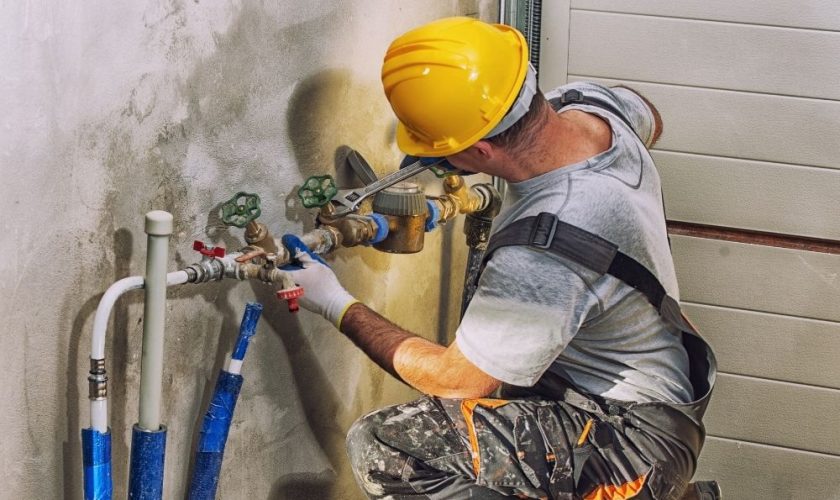
Plumbing is one of the most critical aspects of any residential or commercial property. Proper plumbing ensures a reliable water supply, efficient drainage, and the prevention of leaks, water damage, and sanitation issues. From fixing minor leaks to installing complex water systems, plumbing involves a combination of technical knowledge, tools, and practical solutions. Understanding common plumbing issues, essential services, and maintenance tips can help homeowners and business owners maintain functional water systems and prevent costly repairs.

Understanding Plumbing Systems

Plumbing systems are designed to deliver clean water and safely remove wastewater. These systems consist of several key components:

  • Water Supply Lines: Pipes that carry clean water to faucets, showers, appliances, and fixtures.
  • Drainage and Sewer Lines: Pipes that remove wastewater and direct it to the municipal sewer system or septic tank.
  • Fixtures and Faucets: Devices such as sinks, toilets, showers, and bathtubs that control water usage.
  • Valves and Pumps: Components that regulate water flow, pressure, and distribution within the system.

A well-maintained plumbing system ensures uninterrupted water flow, hygiene, and safety, while outdated or damaged systems can cause leaks, blockages, and structural damage.

Common Plumbing Problems

Plumbing issues are common in both old and new properties. Some typical problems include:

1. Leaks and Dripping Faucets

Leaky pipes and faucets can waste gallons of water daily and increase utility bills. Causes include:

  • Worn-out washers or gaskets
  • Corrosion in metal pipes
  • Improper installation or loose fittings

Repairing leaks promptly prevents water damage and reduces long-term costs.

2. Clogged Drains

Slow or blocked drains often result from:

  • Hair, soap, or grease accumulation
  • Foreign objects in the pipes
  • Tree roots intruding into sewer lines

Regular drain cleaning and proper disposal of waste can prevent clogs.

3. Running Toilets

A continuously running toilet wastes water and increases bills. Common causes:

  • Malfunctioning flapper valve
  • Broken fill valve
  • Improper float adjustments

Simple repairs or replacement parts can restore normal function.

4. Low Water Pressure

Low water pressure affects showers, faucets, and appliances. Causes include:

  • Clogged pipes due to mineral buildup
  • Leaks in supply lines
  • Faulty pressure regulators

Professional plumbers can identify the root cause and restore optimal pressure.

5. Water Heater Issues

Water heaters may experience:

  • Inconsistent water temperature
  • Strange noises
  • Leaks or corrosion

Regular maintenance and timely replacement ensure a continuous hot water supply.

Plumbing Services Offered by Professionals

Professional plumbers provide a wide range of services to address plumbing needs efficiently:

1. Residential Plumbing

Residential plumbing services focus on homes and apartments, including:

  • Installing and repairing faucets, sinks, and showers
  • Fixing leaks and pipe corrosion
  • Maintaining water heaters and boilers
  • Drain cleaning and sewer line repair

Homeowners benefit from expert solutions that prevent emergencies and maintain property value.

2. Commercial Plumbing

Commercial plumbing serves offices, retail spaces, hotels, and industrial buildings. Services include:

  • Installing and maintaining large-scale water and sewage systems
  • Repairing commercial-grade fixtures and appliances
  • Handling high-demand plumbing systems and complex layouts
  • Ensuring compliance with local codes and safety regulations

Commercial plumbers often work with building management to minimize downtime and disruptions.

3. Emergency Plumbing

Emergencies like burst pipes or sewage backups require immediate attention. Emergency plumbing services:

  • Respond quickly to urgent situations
  • Minimize water damage and sanitation risks
  • Provide temporary solutions until permanent repairs are completed

24/7 availability is essential for both residential and commercial clients.

4. Preventive Plumbing Maintenance

Preventive maintenance keeps plumbing systems functioning efficiently and reduces unexpected repairs. Key services include:

  • Routine inspections of pipes, fixtures, and valves
  • Leak detection and pipe replacement
  • Water heater flushing and maintenance
  • Drain and sewer line cleaning

Regular maintenance extends the lifespan of plumbing systems and improves performance.

5. Pipe Replacement and Installation

Over time, pipes can corrode, leak, or become inefficient. Professional plumbers provide:

  • PEX, PVC, and copper pipe installation
  • Pipe rerouting and replacement for remodeling projects
  • Upgrades for older homes with outdated plumbing

Proper installation ensures long-term durability and water safety.

DIY Plumbing Tips for Homeowners

While professional services are essential, certain maintenance tasks can be done by homeowners:

  • Regularly inspect pipes: Look for leaks, corrosion, or water stains.
  • Clean drains naturally: Use a mixture of baking soda and vinegar to prevent clogs.
  • Avoid chemical drain cleaners: They can damage pipes over time.
  • Check faucets and showerheads: Replace worn-out washers and aerators.
  • Maintain water heaters: Flush periodically to remove sediment buildup.
  • Monitor water bills: Sudden increases may indicate leaks.

Following these practices helps maintain a functional plumbing system and prevents costly repairs.

Water Conservation and Plumbing

Modern plumbing also plays a significant role in water conservation:

  • Low-flow fixtures: Reduce water usage without compromising performance.
  • Dual-flush toilets: Save water with adjustable flush options.
  • Leak detection systems: Identify leaks early to prevent water waste.
  • Smart irrigation systems: Optimize outdoor water use efficiently.

Incorporating sustainable plumbing solutions reduces environmental impact and utility costs.

Choosing the Right Plumber

Selecting a qualified plumber is crucial for successful repairs and installations. Consider:

  • Licensing and Certification: Ensures compliance with local regulations.
  • Experience: More experienced plumbers handle complex issues efficiently.
  • Reputation: Check reviews and ask for references.
  • Availability: Emergency services and timely response are important.
  • Transparent Pricing: Clear estimates prevent hidden charges.

Hiring the right professional ensures reliable results and long-term peace of mind.

Conclusion

Plumbing is an essential component of any property, impacting health, hygiene, and functionality. Understanding common plumbing problems, knowing available services, and practicing preventive maintenance help homeowners and businesses maintain efficient water systems. Professional plumbers provide comprehensive solutions, from emergency repairs to large-scale installations, ensuring that plumbing systems remain reliable, safe, and sustainable. Incorporating DIY tips and water-saving strategies further enhances performance and reduces costs. Proper care and timely professional assistance are key to avoiding plumbing emergencies and ensuring smooth operation in every property.

FAQ: Plumbing Services and Maintenance

1. How often should I schedule plumbing maintenance?
Routine inspections are recommended at least once a year, with more frequent checks for older systems or high-usage properties.

2. What should I do if I discover a leak?
Turn off the main water supply immediately and contact a professional plumber for repairs.

3. Can I fix a clogged drain myself?
Minor clogs can be cleared with natural solutions like baking soda and vinegar, but persistent blockages require professional attention.

4. How do I know if my water heater needs replacement?
Signs include inconsistent temperature, leaks, rust, and unusual noises. Regular maintenance can extend its lifespan.

5. What plumbing issues require emergency services?
Burst pipes, sewage backups, major leaks, and water heater failures often need immediate professional intervention.

6. Are low-flow fixtures effective?
Yes, they significantly reduce water consumption while maintaining functionality in showers, faucets, and toilets.

7. How can I prevent frozen pipes in winter?
Insulate exposed pipes, keep a consistent indoor temperature, and allow faucets to drip during extremely cold weather.

read more
Moving

Moving Tips and Services: A Complete Guide for a Stress-Free Relocation

Relocating to a new home or office can be both exciting and challenging. Whether moving across the city or to another state, proper planning and organization are crucial for a smooth and stress-free moving experience. Moving involves multiple steps, from packing belongings and hiring reliable services to managing logistics and settling into a new space. Understanding essential moving strategies, professional services, and tips can help reduce stress, save time, and ensure the safety of your possessions.

Why Proper Planning is Key in Moving

A successful move begins with careful planning. Proper organization ensures that every step of the process runs efficiently, minimizes errors, and prevents damage to belongings. Key benefits of planning your move include:

  • Efficiency: Clear plans reduce the risk of delays and confusion.
  • Cost Savings: Budgeting in advance helps avoid unexpected expenses.
  • Safety: Proper packing and handling protect valuable and fragile items.
  • Stress Reduction: A systematic approach decreases anxiety and workload.
  • Smooth Transition: Allows time to set up utilities, address legal paperwork, and adapt to the new environment.

Creating a detailed moving plan should be the first step in any relocation.

Types of Moving Services

Moving companies offer various services tailored to individual needs. Choosing the right type ensures efficiency and convenience.

1. Residential Moving

Residential moving involves relocating personal belongings from one home to another. Services may include:

  • Packing and unpacking of household items.
  • Loading and unloading of furniture and appliances.
  • Transport of fragile and valuable items with care.
  • Temporary storage solutions if required.

Residential moving is ideal for individuals, families, or students relocating locally or long-distance.

2. Commercial Moving

Commercial or office moving focuses on relocating business operations. This includes:

  • Packing and transporting office equipment, furniture, and files.
  • Minimizing downtime to avoid operational disruptions.
  • Providing specialized handling for sensitive electronics and confidential documents.
  • Arranging logistics for large-scale office relocations.

Professional commercial movers ensure minimal disruption while maintaining security and organization.

3. Long-Distance Moving

Long-distance moving refers to relocations over 100 miles or between states. Key considerations include:

  • Coordinating transportation and route planning.
  • Managing regulations and permits for interstate moves.
  • Providing secure packaging for extended transit periods.
  • Offering insurance options for valuable items.

Specialized long-distance movers handle logistical challenges and ensure safe delivery.

4. Specialty Moving

Some items require extra care, including:

  • Pianos and musical instruments: Fragile and heavy items needing specialized equipment.
  • Artwork and antiques: Requires climate control and careful handling.
  • Vehicles: Car transport services for local or long-distance moves.

Specialty movers provide tailored solutions for high-value and delicate possessions.

Step-by-Step Moving Process

A structured approach makes the moving process manageable and stress-free.

Step 1: Planning and Budgeting

  • Create a detailed moving checklist.
  • Determine the moving date and timeline.
  • Set a budget for services, packing supplies, and miscellaneous costs.
  • Research moving companies and request quotes.

Step 2: Sorting and Decluttering

  • Assess belongings and decide what to keep, donate, sell, or discard.
  • Reduces moving volume, saving time and cost.
  • Organize items into categories for easier packing.

Step 3: Packing

  • Use quality packing materials such as boxes, bubble wrap, and tape.
  • Label each box with its contents and destination room.
  • Pack fragile items carefully with cushioning materials.
  • Disassemble furniture when necessary to save space.

Step 4: Hiring Movers

  • Compare multiple moving companies based on reputation, services, and cost.
  • Verify licensing, insurance, and customer reviews.
  • Confirm availability and clarify services included.
  • Prepare a contract detailing terms, insurance coverage, and estimated delivery time.

Step 5: Moving Day

  • Ensure all items are packed and ready for transport.
  • Supervise loading and unloading to prevent misplacement or damage.
  • Keep essential items separate for easy access during the first days in the new space.
  • Check inventory against the moving company’s list to confirm all items are accounted for.

Step 6: Unpacking and Settling

  • Start with essential rooms such as the kitchen and bedrooms.
  • Arrange furniture and belongings efficiently to create a functional layout.
  • Dispose of packing materials responsibly.
  • Update your address with relevant services, utilities, and official documents.

Tips for a Stress-Free Move

Moving can be challenging, but certain strategies help reduce stress and improve efficiency:

  • Plan Ahead: Start planning weeks in advance to avoid last-minute chaos.
  • Label Everything: Clear labeling prevents confusion and speeds up unpacking.
  • Pack Essentials Separately: Keep important documents, medications, and daily necessities in a separate, accessible bag.
  • Use Professional Packers: For fragile or bulky items, professional packing services ensure safety.
  • Stay Organized: Keep an inventory checklist to track all items.
  • Communicate with Movers: Clear communication helps avoid misunderstandings and ensures timely delivery.
  • Take Care of Yourself: Moving can be physically and mentally exhausting; rest and hydration are important.

Cost Considerations in Moving

The cost of moving depends on several factors, including:

  • Distance: Local moves are less expensive than long-distance or interstate relocations.
  • Volume: More belongings require more labor and transportation space.
  • Services: Full-service moving, including packing and unpacking, costs more than basic transport.
  • Special Items: Transporting fragile or valuable items may require extra charges.
  • Timing: Peak moving seasons may increase prices; booking in advance often saves costs.

Budgeting accurately and comparing multiple moving services ensures cost-effective relocation.

Moving Insurance and Safety

Protecting belongings during a move is essential:

  • Basic Coverage: Most moving companies provide limited liability coverage.
  • Full Value Protection: Offers compensation for lost or damaged items at replacement cost.
  • Special Item Insurance: For valuable or fragile items, specialized insurance ensures protection.

Ensuring proper insurance coverage mitigates risks associated with transportation and handling.

Conclusion

Moving is a complex process that requires careful planning, organization, and professional assistance. By understanding different types of moving services, following a step-by-step approach, and implementing practical tips, homeowners and businesses can enjoy a smooth, stress-free relocation. From selecting the right movers and packing strategies to budgeting and insurance considerations, every detail contributes to a successful move. Proper planning and execution not only save time and effort but also ensure the safety of belongings and a seamless transition into the new space.

FAQ: Moving Tips and Services

1. How far in advance should I plan a move?
Ideally, start planning 6–8 weeks in advance for long-distance moves and 4 weeks for local moves to ensure availability and proper organization.

2. Should I hire professional movers or do it myself?
Professional movers save time, reduce stress, and ensure the safe transport of belongings, especially for long-distance or large moves.

3. What items require special moving services?
Pianos, antiques, artwork, vehicles, and other fragile or valuable items often require specialized movers and equipment.

4. How can I reduce moving costs?
Declutter belongings, compare multiple moving companies, move during off-peak seasons, and pack your own items to save on costs.

5. Is moving insurance necessary?
Yes, moving insurance provides financial protection for lost or damaged items and offers peace of mind during transit.

6. How do I pack fragile items safely?
Use bubble wrap, sturdy boxes, and cushioning materials. Label boxes as fragile and avoid overpacking.

7. What should I do on moving day to stay organized?
Keep an inventory list, supervise loading and unloading, separate essential items for immediate use, and communicate clearly with movers.

read more
Kitchen

Kitchen Design Ideas and Essentials: Transform Your Cooking Space

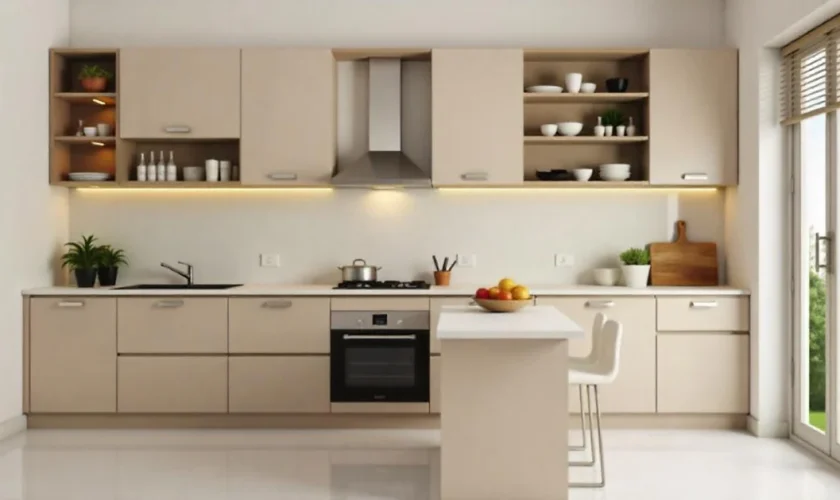
The kitchen is often described as the heart of the home. It is a space where culinary creativity, family interactions, and entertaining converge. A well-designed kitchen not only enhances cooking efficiency but also adds aesthetic value to the home. From layout planning and material selection to appliances and storage solutions, modern kitchens balance style, functionality, and comfort. Understanding the essential elements and trends in kitchen design can help homeowners create a space that is both practical and visually appealing.

Importance of Kitchen Design

A thoughtfully designed kitchen affects daily routines, social interactions, and home value. Key reasons to prioritize kitchen design include:

  • Functionality: Efficient layouts and organization improve cooking, cleaning, and meal preparation.
  • Aesthetic Appeal: Stylish cabinetry, countertops, and lighting elevate the overall home décor.
  • Space Optimization: Proper storage solutions and layouts prevent clutter and maximize usable space.
  • Home Value: A modern, functional kitchen significantly increases property value.
  • Safety and Comfort: Ergonomic design and proper lighting reduce strain and enhance usability.

A kitchen designed for both beauty and functionality ensures a pleasant cooking experience and a welcoming environment for family and guests.

Popular Kitchen Layouts

Choosing the right layout is essential for optimizing workflow and space. Common kitchen layouts include:

1. L-Shaped Kitchen

  • Design: Counters along two adjacent walls form an “L” shape.
  • Benefits: Maximizes corner space, ideal for open-plan homes, allows for a dining area or island.
  • Best For: Medium to large kitchens with open floor plans.

2. U-Shaped Kitchen

  • Design: Counters and storage on three walls, forming a “U.”
  • Benefits: Provides ample counter space, storage, and multiple work zones.
  • Best For: Large kitchens requiring separation between cooking, prepping, and cleaning areas.

3. Galley Kitchen

  • Design: Parallel counters with a walkway in between.
  • Benefits: Highly efficient for small spaces, keeps all essentials within reach.
  • Best For: Compact kitchens or apartments with limited space.

4. Island Kitchen

  • Design: Includes a central island for prep, storage, or seating.
  • Benefits: Enhances functionality, creates social gathering space, and provides extra counter space.
  • Best For: Spacious kitchens with open layouts.

5. Peninsula Kitchen

  • Design: Similar to an island but connected to the main counters.
  • Benefits: Offers extra prep space and seating without occupying full central space.
  • Best For: Kitchens with partial open layouts.

Choosing the correct layout depends on kitchen size, cooking habits, and lifestyle needs.

Essential Kitchen Components

A functional kitchen requires carefully chosen components that enhance efficiency and convenience.

Countertops

Countertops are crucial for both utility and style. Common materials include:

  • Granite: Durable, heat-resistant, and available in various colors and patterns.
  • Quartz: Non-porous, scratch-resistant, and low-maintenance.
  • Marble: Luxurious appearance but requires regular sealing.
  • Laminate: Cost-effective and available in numerous designs.
  • Wood/Butcher Block: Warm and natural, requires periodic oiling to prevent damage.

Countertop choice affects durability, maintenance, and the overall look of the kitchen.

Cabinets and Storage

Cabinetry provides essential storage and significantly impacts kitchen aesthetics. Features to consider include:

  • Material: Solid wood, MDF, or plywood for durability.
  • Styles: Shaker, flat-panel, or raised-panel designs to match home décor.
  • Storage Solutions: Pull-out shelves, lazy Susans, and drawer organizers maximize space.
  • Finish: Painted, laminated, or natural wood finishes to complement countertops and flooring.

Appliances

Modern kitchens rely on high-quality appliances for efficiency and convenience. Common appliances include:

  • Refrigerators: Single, double, or French-door models with energy-efficient features.
  • Ovens and Stoves: Gas, electric, or induction options based on cooking preferences.
  • Dishwashers: Time-saving addition for busy households.
  • Microwaves: Essential for quick meal preparation.
  • Range Hoods: Improve ventilation, reduce odors, and maintain air quality.

Choosing energy-efficient appliances reduces operational costs and contributes to sustainable living.

Sinks and Faucets

The kitchen sink and faucet are essential for daily tasks. Considerations include:

  • Material: Stainless steel, granite composite, or ceramic for durability and aesthetics.
  • Size: Single, double, or triple basin depending on workflow needs.
  • Features: Pull-down faucets, touchless operation, or built-in soap dispensers enhance functionality.

Lighting

Proper lighting improves safety, functionality, and ambiance. Key lighting types include:

  • Ambient Lighting: Ceiling fixtures providing overall illumination.
  • Task Lighting: Under-cabinet lights for precise food prep.
  • Accent Lighting: Highlights design features, such as cabinetry or countertops.

Layered lighting ensures the kitchen is both practical and visually appealing.

Flooring

Kitchen flooring must be durable, water-resistant, and easy to maintain. Popular options include:

  • Ceramic or Porcelain Tiles: Durable and available in numerous designs.
  • Vinyl Flooring: Affordable, water-resistant, and comfortable underfoot.
  • Hardwood Flooring: Adds warmth but requires proper sealing.
  • Laminate Flooring: Cost-effective alternative to hardwood, resistant to scratches.

Flooring choice impacts safety, comfort, and the overall aesthetic of the kitchen.

Kitchen Design Trends

Current trends in kitchen design focus on functionality, sustainability, and visual appeal. Popular trends include:

  • Open Shelving: Creates a modern look and easy access to essentials.
  • Two-Tone Cabinets: Mixing colors or materials adds depth and visual interest.
  • Smart Kitchens: Incorporating technology such as touchless faucets, smart appliances, and app-controlled lighting.
  • Eco-Friendly Materials: Bamboo cabinets, recycled countertops, and low-VOC paints support sustainability.
  • Bold Backsplashes: Patterns, tiles, and colors add personality and style to the kitchen.
  • Minimalist Design: Clean lines, clutter-free countertops, and concealed storage enhance visual simplicity.

Adopting trends that align with personal style ensures the kitchen is both contemporary and practical.

Tips for Choosing the Right Kitchen

Selecting the perfect kitchen involves careful planning and consideration:

  • Plan the Workflow: Organize work zones for prep, cooking, and cleaning efficiently.
  • Maximize Storage: Use vertical space, pull-out cabinets, and pantry organizers to avoid clutter.
  • Focus on Durability: Prioritize materials that withstand daily use and cleaning.
  • Balance Style and Function: Choose designs that are visually appealing while maintaining practicality.
  • Consider Lighting and Ventilation: Adequate lighting and air circulation improve comfort and safety.
  • Budget Wisely: Allocate resources to high-impact areas like cabinetry, countertops, and appliances while finding cost-effective options for décor.

Conclusion

The kitchen is the most dynamic space in a home, combining functionality, style, and social interaction. A thoughtfully designed kitchen enhances cooking efficiency, maximizes storage, and elevates the aesthetic appeal of the entire home. From layout selection and material choices to appliances, lighting, and flooring, each element plays a critical role in creating a practical and stylish space. By understanding design principles, current trends, and essential components, homeowners can create kitchens that are both beautiful and functional, ensuring a welcoming environment for family and guests while adding lasting value to the property.

FAQ: Kitchen Design and Essentials

1. What is the most efficient kitchen layout for small spaces?
Galley kitchens are ideal for small spaces, providing easy access to appliances and counter space while maintaining workflow efficiency.

2. How do I choose the right countertop material?
Consider durability, maintenance, style, and budget. Quartz and granite are durable and low-maintenance, while marble offers a luxurious look but requires more care.

3. Are open shelves practical in a kitchen?
Yes, open shelves enhance accessibility and visual appeal, but they require regular cleaning and organized storage.

4. What type of lighting is best for kitchens?
A combination of ambient, task, and accent lighting ensures functionality, safety, and aesthetic appeal.

5. How can I make my kitchen eco-friendly?
Use sustainable materials, energy-efficient appliances, and low-VOC paints, and reduce water and energy consumption.

6. Should I invest in smart kitchen appliances?
Smart appliances improve efficiency, convenience, and can help manage energy consumption effectively.

7. What flooring is best for high-traffic kitchens?
Ceramic tiles, vinyl, and laminate flooring are durable, water-resistant, and easy to clean, making them ideal for high-traffic areas.

read more
Moving

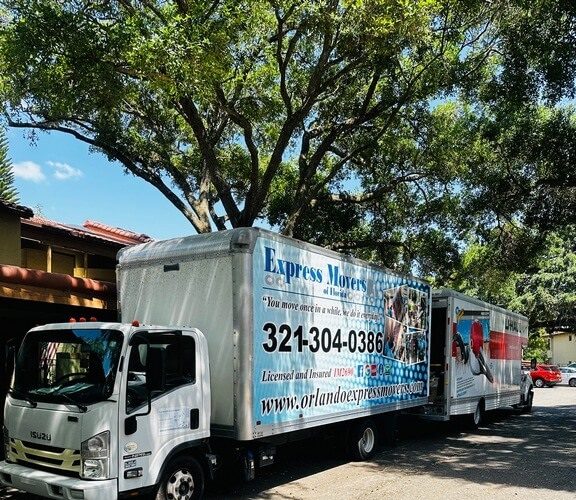
Orlando Express Movers Inc: Reliable Moving Experts for Your Next Move

When it comes to relocating, the process can often be daunting and overwhelming, filled with logistical challenges and emotional stress. That’s where Orlando Express Movers Inc. steps in, offering a seamless solution for all your moving needs. With a steadfast commitment to excellence and customer satisfaction, this reputable moving company has established itself as a leading expert in the industry. Specializing in both residential and commercial moves, Orlando Express Movers Inc. brings years of experience and a dedicated team of professionals who understand the intricacies involved in every relocation. From packing and loading to transportation and unpacking, their comprehensive services are designed to alleviate the burdens of moving, allowing clients to focus on settling into their new spaces. Equipped with state-of-the-art equipment and a fleet of well-maintained vehicles, they ensure that your belongings are handled with care and delivered safely to their destination. Whether you’re moving across town or across the state, Orlando Express Movers Inc. is committed to providing a reliable and efficient moving experience. In this article, we will explore the range of services they offer, customer testimonials, and why they are the go-to choice for individuals and businesses alike in the dynamic city of Orlando.

– Comprehensive Moving Services by Orlando Express Movers Inc for a Stress-Free Experience.

Orlando Express Movers Inc excels in providing a full range of moving services tailored to meet the diverse needs of their clients. With a keen focus on customer satisfaction, the company offers everything from packing and loading to transportation and unpacking. Their skilled team ensures that every step of the moving process is handled with professionalism and care, allowing customers to transition smoothly into their new homes or office spaces. Employing the latest equipment and techniques, Orlando Express Movers Inc minimizes the risk of damage to belongings while maximizing efficiency.

Understanding that moving can often be a daunting experience, Orlando Express Movers Inc prioritizes creating a stress-free environment for their clients. They work closely with each customer to develop personalized moving plans that fit specific schedules and budgets. By offering flexible options and clear communication, the company alleviates common moving anxieties, ensuring that clients feel supported and informed throughout the entire process. With Orlando Express Movers Inc, clients can trust that their move will be handled with the utmost care and expertise, allowing them to focus on settling into their new space.

– Trusted Expertise in Local and Long-Distance Moves with Orlando Express Movers Inc.

Orlando Express Movers Inc brings a wealth of expertise to both local and long-distance relocations, making them a preferred choice for clients seeking reliable moving solutions. Their team of experienced professionals is well-versed in the intricacies of logistics, ensuring that every move is executed with meticulous attention to detail. Whether navigating the challenges of a short-distance transfer or the complexities of a long-haul journey, Orlando Express Movers Inc employs strategic planning and resource management to facilitate seamless transitions.

The company’s commitment to excellence is evident in their comprehensive understanding of regional and interstate regulations, which helps in avoiding potential pitfalls during the moving process. Each move is supported by a robust network and cutting-edge technology that enhances tracking and communication, providing customers with real-time updates on their belongings. With Orlando Express Movers Inc, clients can trust that their possessions are in capable hands, enabling them to focus on settling into their new environments with peace of mind.

– Customer Satisfaction: Orlando Express Movers Inc Delivers Reliable and Efficient Moving Solutions.

Customer satisfaction is at the forefront of Orlando Express Movers Inc’s mission, as the company consistently prioritizes the needs and expectations of its clients. By fostering open lines of communication throughout the moving process, they ensure that customers feel informed and involved every step of the way. This emphasis on transparency not only builds trust but also allows for prompt adjustments in response to any specific concerns or requirements that may arise during a move.

Moreover, Orlando Express Movers Inc takes pride in their efficient operational practices, which are designed to minimize stress for clients. Their well-trained staff handles every aspect of the relocation process, from packing to unloading, with professionalism and care. This dedication to high-quality service results in a smooth experience that exceeds customer expectations, ultimately reinforcing the company’s reputation as a reliable partner in any moving endeavor.

In conclusion, Orlando Express Movers Inc. stands out as a reliable and professional choice for those planning their next move. With a commitment to exceptional service, a team of experienced professionals, and a customer-centric approach, they ensure that every aspect of the moving process is handled with care and efficiency. Whether you are relocating locally or embarking on a long-distance journey, their expertise and dedication to customer satisfaction make them a trusted partner in navigating the complexities of moving. Choosing Orlando Express Movers means you can focus on settling into your new home while they take care of the logistics, making your transition as smooth and stress-free as possible.

read more