close

June 2025

Home

How to Increase the Value of Your House Before Selling

Selling a house isn’t just about putting up a “For Sale” sign and hoping for the best. It’s about positioning your property to stand out, attract buyers, and ultimately command the highest price possible. Whether you’re planning to sell this year or just exploring options, improving the value of your maison can deliver excellent returns, both financially and emotionally.

In this article, you’ll learn how to evaluate your house through the buyer’s lens, what upgrades truly matter, and how to elevate your home’s market value without breaking the bank.

Start With a Professional Evaluation

Before making improvements, you need to know where you stand. A professional home evaluation will give you a clear understanding of your property’s current value and what’s holding it back.

Why Evaluation Is Crucial

A proper valuation not only helps you set a realistic asking price, but also:

  • Identifies outdated areas or features
  • Shows you how your home compares to others nearby
  • Gives you the data you need to plan strategic upgrades

Key Areas That Add Real Value

While it may be tempting to start with cosmetic upgrades, it’s essential to prioritise the areas buyers care about most.

Kitchen Updates

The kitchen is often considered the heart of the home. Buyers pay close attention to layout, cabinetry, countertops, and appliances.

High-impact kitchen upgrades include:

  • Replacing old countertops with quartz or granite
  • Installing modern cabinet hardware
  • Upgrading to energy-efficient appliances
  • Repainting cabinets in neutral tones

Bathroom Improvements

A clean, functional, and modern bathroom increases both appeal and value.

What to focus on:

  • Replace outdated fixtures and mirrors
  • Install modern lighting and ventilation
  • Retile worn or stained floors and walls
  • Add a new vanity or storage cabinet

Boosting Curb Appeal

First impressions start on the street. Enhancing your home’s exterior can make buyers feel confident before they even walk in.

Quick curb appeal upgrades:

  • Fresh paint on the front door and shutters
  • Landscaping with seasonal plants
  • Clean or replace gutters
  • Add exterior lighting for evening viewings

Improving Energy Efficiency

Modern buyers are increasingly energy-conscious. A house with energy-efficient features not only saves money but also commands a higher resale value.

Energy upgrades to consider:

  • Double- or triple-pane windows
  • Programmable thermostats
  • Solar panels (depending on ROI)
  • Improved insulation and weatherproofing

Creating Functional Outdoor Spaces

Especially post-pandemic, buyers love the idea of an outdoor retreat. A functional and attractive outdoor area is now a major selling point.

Ideas to consider:

  • Add a deck or patio
  • Install pergolas or shade solutions
  • Create zones for seating, dining, and gardening
  • Use ambient lighting for a cozy atmosphere

Don’t Overinvest in the Wrong Upgrades

Not every improvement will boost your value, and some can hurt it.

Avoid Personalised Design Choices

Bright wall colours, themed rooms, or bold flooring might appeal to you, but not to most buyers. Stick with neutral styles that allow others to envision their own style.

Be Cautious With Overbuilding

Adding too many luxury features or overextending your square footage may price your house out of the neighborhood. Always compare with nearby properties before making major additions.

Enhance What You Already Have

Sometimes, a little love and elbow grease go a long way. Deep cleaning and decluttering can add perceived value, without spending a fortune.

Declutter and Depersonalise

Buyers need to see the potential of the space. Remove family photos, bulky furniture, and non-essential decor. Minimalism makes rooms feel bigger and more inviting.

Deep Clean Everything

We’re not talking just vacuuming. Think:

  • Steam cleaning carpets
  • Polishing hardwood floors
  • Cleaning windows inside and out
  • Scrubbing tiles and grout

Improve Lighting

Replace outdated light fixtures and maximise natural light where possible. Bright homes appear more open, fresh, and appealing.

Add Smart Home Features

Technology can be a powerful selling point, especially for younger buyers.

Budget-friendly smart upgrades:

  • Smart thermostats
  • Video doorbells
  • Motion-sensor outdoor lights
  • Smart locks and garage openers

These features increase convenience, safety, and energy efficiency — all desirable traits.

Preparing for Sale: Last Touches That Matter

Even small finishing touches can influence buyer perception and potentially impact offers.

Fresh Paint

A new coat of paint (preferably in neutral tones) makes everything feel cleaner and newer.

Scent and Ambience

Light candles or bake cookies before a showing. Pleasant scents and a warm atmosphere can make a lasting impression.

Staging

If possible, stage your home professionally. It can increase the sale price and reduce time on the market by showing the full potential of each room.

FAQ: What Sellers Should Know Before Listing Their House

  1. How do I know which upgrades will give me the best return?
    A. Focus on kitchens, bathrooms, and curb appeal first. Energy efficiency and storage are also strong ROI categories. Always compare with what buyers expect in your market.
  2. Is it worth investing in smart home features before selling?
    A. Yes, as long as you choose functional upgrades. Smart thermostats and security systems are especially attractive to modern buyers.
  3. Should I renovate before getting an appraisal or after?
    A. Ideally, get an appraisal first. This helps you identify areas that are undervaluing your home so you can renovate strategically.
  4. What’s the least expensive way to boost value fast?
    A. Deep cleaning, painting, decluttering, and staging. These low-cost strategies can dramatically enhance your home’s presentation and perceived value.
  5. Can landscaping really increase the value of my house?
    A. Absolutely. Even simple landscaping upgrades can improve curb appeal and boost buyer interest, leading to faster sales and stronger offers.
read more
Decor Tips

Decor Tips: Transform Your Home with Stylish and Practical Ideas

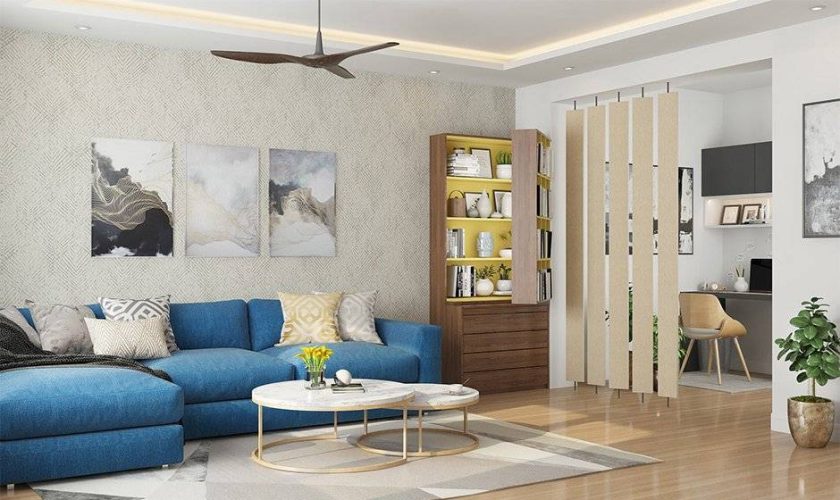
Decorating your home is more than just arranging furniture or hanging paintings; it is about creating a space that reflects your personality, provides comfort, and enhances functionality. Effective decor combines style, practicality, and personal taste to make each room inviting and aesthetically pleasing. Whether you are redecorating a single room or revamping your entire home, applying the right decor tips can significantly improve your living environment. This article explores actionable decor strategies, color palettes, furniture placement ideas, lighting techniques, and creative solutions to help you transform your home.

Understanding the Basics of Home Decor

Before diving into specific tips, it is essential to understand the core principles of home decor:

  • Balance: Distribute furniture and decorative elements evenly to create a harmonious space. This can be symmetrical or asymmetrical depending on your style preference.
  • Focal Points: Identify the main feature of a room, such as a fireplace, a piece of artwork, or a statement sofa, and arrange decor to highlight it.
  • Color Coordination: Choose colors that complement each other and match the room’s purpose. Warm colors create a cozy atmosphere, while cool colors provide calmness.
  • Texture and Layering: Mixing textures, such as soft rugs, smooth furniture surfaces, and plush cushions, adds depth and interest to the decor.
  • Functionality: Ensure that decorative choices enhance usability. Furniture should be comfortable, and layouts should allow smooth movement within the room.

By understanding these principles, you can make informed decisions while decorating, ensuring your home is both stylish and practical.

Choosing the Right Color Schemes

Color significantly influences mood and perception of space. Effective use of color can make a room appear larger, cozier, or more vibrant. Consider the following strategies:

  • Neutral Colors: Shades like beige, gray, and white create a versatile backdrop, allowing you to easily incorporate accent colors through furniture and accessories.
  • Accent Walls: Painting one wall in a bold color or using wallpaper with patterns can add personality without overwhelming the room.
  • Color Harmony: Use the 60-30-10 rule – 60% dominant color, 30% secondary color, and 10% accent color – to achieve a balanced and cohesive look.
  • Mood-Based Choices: Blues and greens promote relaxation, making them ideal for bedrooms, while yellows and oranges encourage energy and creativity, suitable for living areas or kitchens.
  • Seasonal Updates: Consider changing accessories like cushions, throws, and curtains according to seasons to refresh the color palette without major renovations.

Implementing the right color scheme can dramatically enhance the overall aesthetic appeal of your home.

Furniture Placement and Layout Tips

Strategically arranging furniture ensures that your rooms are functional, spacious, and visually appealing. Consider these decor tips for furniture placement:

  • Measure Before You Place: Knowing the dimensions of your furniture and rooms helps prevent overcrowding or awkward spacing.
  • Create Conversation Areas: Position sofas and chairs to encourage social interaction, with coffee tables centrally placed for convenience.
  • Traffic Flow: Ensure there is ample space for movement, avoiding blocked pathways or cramped arrangements.
  • Multipurpose Furniture: Use ottomans with storage, foldable tables, or sofa beds to maximize space in small rooms.
  • Proportional Choices: Select furniture that suits the scale of the room. Large, bulky items can overwhelm small spaces, while tiny pieces in spacious rooms may appear lost.

Proper furniture placement not only improves functionality but also enhances the visual harmony of your home.

Lighting: Enhancing Ambiance and Style

Lighting plays a critical role in home decor, affecting mood, perception, and visual appeal. Effective lighting strategies include:

  • Layered Lighting: Combine ambient (general), task (specific activities), and accent (highlighting features) lighting to create depth and flexibility.
  • Natural Light: Maximize daylight by using sheer curtains, mirrors, and strategically placed furniture. Natural light improves mood and makes rooms feel airy.
  • Statement Fixtures: Chandeliers, pendant lights, and designer lamps serve as both functional and decorative elements.
  • Energy Efficiency: Use LED bulbs and smart lighting systems to reduce electricity consumption while maintaining style.
  • Mood Control: Dimmer switches allow you to adjust brightness according to activity and time of day, creating versatile living spaces.

Lighting is not just functional; it is an essential decor element that enhances the overall ambiance of your home.

Wall Decor and Artwork

Walls provide a canvas for expressing personality and style. Consider these decor tips:

  • Gallery Walls: Create a curated collection of photos, paintings, or prints for a visually striking focal point.
  • Mirrors: Use mirrors to reflect light and create the illusion of space, especially in small or dark rooms.
  • Shelving: Floating shelves display books, decorative items, and plants, combining aesthetics with storage.
  • Wall Panels and Textures: Incorporate textured wallpaper, wooden panels, or decorative tiles to add dimension and interest.
  • Rotating Art Displays: Update artwork seasonally or for special occasions to refresh the room’s look without major changes.

Thoughtful wall decor can transform ordinary walls into engaging visual features, complementing other elements in the room.

Decorative Accessories and Accents

Accessories provide the finishing touches that complete your home decor. Key tips include:

  • Cushions and Throws: Mix colors, patterns, and textures to add comfort and personality.
  • Rugs: Define spaces, add warmth, and provide a base for furniture arrangements.
  • Plants: Indoor plants improve air quality, add greenery, and bring natural beauty indoors.
  • Vases, Candles, and Sculptures: Small decorative items contribute to the room’s character and style.
  • Consistency: While variety is welcome, maintain consistency in style and color palette to avoid visual clutter.

Accessories allow homeowners to express personal taste and introduce seasonal or thematic changes without major renovations.

Storage Solutions and Organization

Effective storage is crucial for maintaining a clean, organized, and aesthetically pleasing home. Consider these strategies:

  • Hidden Storage: Use furniture with built-in storage such as beds with drawers or ottomans that open for extra space.
  • Vertical Space: Wall-mounted shelves, hooks, and tall cabinets utilize vertical space efficiently.
  • Declutter Regularly: Keep surfaces clear of unnecessary items to enhance visual appeal and functionality.
  • Decorative Baskets and Boxes: Stylish storage containers combine practicality with decorative appeal.
  • Multi-Zone Storage: Organize by function, storing similar items together to simplify daily use and maintenance.

Efficient storage enhances both functionality and decor, ensuring your home remains welcoming and tidy.

Incorporating Personal Style

Ultimately, home decor should reflect your personality and lifestyle. Consider these tips:

  • Mix Styles Thoughtfully: Combine modern, rustic, or vintage elements while maintaining a cohesive theme.
  • Travel and Memory Items: Display souvenirs or heirlooms to make your home uniquely yours.
  • Color and Pattern Signature: Select recurring colors, patterns, or textures that define your personal style.
  • Comfort as Priority: Ensure spaces are inviting and practical for daily living.
  • Experiment Gradually: Introduce bold elements incrementally to see what works best with your existing decor.

Incorporating personal style creates a space that is not only beautiful but also meaningful and comfortable for residents and guests.

DIY Decor Tips

DIY projects allow homeowners to personalize spaces creatively while saving costs. Ideas include:

  • Custom Wall Art: Paint or craft your own designs for a unique focal point.
  • Furniture Upcycling: Refinish or repaint old furniture to give it new life.
  • Handmade Accessories: Create cushions, candle holders, or planters for personalized accents.
  • Seasonal Decor: Craft seasonal decorations to refresh spaces periodically without major investment.
  • Photo Displays: DIY photo collages or frames add personal charm to living areas.

DIY decor projects foster creativity, personal expression, and sustainable practices by reusing materials effectively.

Conclusion

Decorating a home is a blend of creativity, functionality, and personal expression. By applying effective decor tips, such as choosing harmonious color schemes, arranging furniture thoughtfully, layering lighting, and incorporating accessories, you can transform any space into a comfortable and stylish haven. Remember that decor is a continuous process that evolves with changing trends, seasons, and personal tastes. With careful planning and a keen eye for detail, you can create a home that is visually appealing, functional, and uniquely yours.

FAQ: Decor Tips

1. How can I make a small room appear larger with decor?
Use light colors, mirrors, multi-functional furniture, and maximize natural light to create the illusion of space. Avoid overcrowding furniture and keep decor minimal.

2. What are the best colors for a relaxing bedroom?
Soft blues, greens, and neutral shades promote calmness and relaxation, making them ideal for bedroom decor.

3. How do I mix patterns without making a room look chaotic?
Combine patterns of different scales and keep the color palette consistent. Balance bold prints with neutral elements to maintain harmony.

4. What are the top tips for decorating on a budget?
Focus on DIY projects, upcycling furniture, rearranging existing items, and using affordable accessories like cushions, rugs, and artwork.

read more
Roofing

New Braunfels Metal Roofing: A Durable Choice for Texas Homes

When considering roofing options in New Braunfels, Texas, homeowners are increasingly turning to new braunfels metal roofing for its durability, energy efficiency, and aesthetic appeal. This article explores the benefits of metal roofing, factors to consider when choosing a contractor, and highlights some reputable roofing companies in the New Braunfels area.

Advantages of Metal Roofing in New Braunfels

New braunfels metal roofing offers several advantages, especially in regions like New Braunfels, where weather conditions can be unpredictable. One of the primary benefits is its longevity. Metal roofs can last between 40 to 70 years, significantly outlasting traditional asphalt shingles, which typically last between 12 to 20 years. This extended lifespan makes metal roofing a cost-effective choice in the long run.

In addition to longevity, new braunfels metal roofing is known for its energy efficiency. These roofs reflect much of the sun’s energy, helping to maintain a balanced temperature between the roof deck and the supporting structure. This reflective property can lead to reduced energy consumption for heating and cooling, thereby lowering utility bills.

Furthermore, new braunfels metal roofing systems are low-maintenance. Unlike shingles that can chip, fade, crack, or curl, metal roofs retain their good looks and structural integrity with minimal upkeep. They are also resistant to pests and insects, adding an extra layer of protection to your home.

Choosing a Metal Roofing Contractor in New Braunfels

Selecting the right contractor is crucial for ensuring the quality and longevity of your new braunfels metal roofing. When evaluating potential roofing companies, consider the following factors:

  • Experience and Reputation: Look for contractors with a proven track record in metal roofing installations. Established companies often have the expertise to handle various roofing challenges.
  • Licensing and Insurance: Ensure the contractor is licensed and carries appropriate insurance. This protects you from potential liabilities during the roofing project.
  • Warranty and Guarantees: A reputable contractor should offer warranties on both materials and workmanship, providing peace of mind for years to come.
  • Customer Reviews and Testimonials: Reading reviews and testimonials from previous clients can give you insight into the contractor’s reliability and quality of work.
  • Transparent Pricing: Obtain detailed estimates that outline all costs involved. This helps in avoiding unexpected expenses during the project.

Notable Metal Roofing Companies in New Braunfels

Several roofing companies in New Braunfels specialize in new braunfels metal roofing installations. Here are a few notable ones:

  • Roofer Chicks: Known for their commitment to service, Roofer Chicks offers energy-efficient metal roofing solutions. They provide extended manufacturer warranties, ensuring long-term protection for your home.
  • Prestige Metal Roofing Systems: With over 15 years of experience, Prestige Metal Roofing Systems offers wind, water, and hail-resistant metal roofs. They provide free roof inspections and assist with insurance claims, making the process seamless for homeowners.
  • A-Lert Roof Systems: A leading metal roofing contractor with over 40 years of experience, A-Lert Roof Systems designs, manufactures, and installs custom metal roofing solutions. They offer a 20-year warranty on their roofing systems, reflecting their confidence in their products.
  • Ja-Mar Roofing & Sheet Metal: Established in 1970, Ja-Mar Roofing specializes in both residential and commercial metal roofing. They are experienced in handling historic roofing restorations, preserving the architectural integrity of older buildings.

Why New Braunfels Metal Roofing is a Smart Investment

Choosing new braunfels metal roofing means investing in a roof that withstands harsh weather, adds curb appeal, and increases the overall value of your property. The benefits extend beyond protection and energy savings, as metal roofing also supports environmentally friendly building practices. By selecting metal roofing in New Braunfels, you contribute to reducing landfill waste since metal roofs are often made from recycled materials and are fully recyclable at the end of their lifespan.

read more
Architecture

Architecture: Exploring Styles, Trends, and Innovations in Modern Design

Architecture is more than the mere construction of buildings; it is the embodiment of culture, history, and technology. It shapes the way we live, influences societal behavior, and defines the identity of cities. From ancient monuments to futuristic skyscrapers, architecture reflects the human desire to create spaces that are functional, aesthetically appealing, and sustainable. This article delves deep into the world of architecture, examining historical styles, modern trends, sustainability practices, and influential architects who have shaped the field.

Understanding Architecture

Architecture is both an art and a science. It combines creative design with technical engineering to create spaces that serve multiple purposes. Architects balance aesthetics, functionality, and safety while considering environmental impact and cultural relevance. Architecture is not just limited to buildings; it also encompasses urban planning, landscape design, and interior architecture. The discipline requires a thorough understanding of materials, structural systems, and spatial organization, along with an ability to visualize and conceptualize innovative solutions.

Historical Architecture: Tracing Styles Through Time

Understanding the history of architecture provides insight into the evolution of human civilization. Key historical styles include:

  • Ancient Architecture: Early civilizations, such as Egyptians, Greeks, and Romans, built monumental structures like pyramids, temples, and amphitheaters. The use of columns, arches, and stone masonry defined the architectural vocabulary of these periods.
  • Gothic Architecture: Emerging in the 12th century, Gothic architecture is recognized by pointed arches, ribbed vaults, and flying buttresses. Cathedrals like Notre Dame in Paris exemplify the grandeur and complexity of this style.
  • Renaissance Architecture: This period marked a return to classical principles of symmetry, proportion, and geometry. Architects such as Filippo Brunelleschi and Andrea Palladio emphasized harmony and perspective in their designs.
  • Baroque Architecture: Characterized by elaborate ornamentation, dramatic lighting, and bold forms, Baroque architecture dominated Europe in the 17th century. It sought to evoke emotion and awe through its grandeur.

Studying historical architecture allows modern architects to blend tradition with innovation, creating structures that resonate with both heritage and contemporary needs.

Modern Architecture: Innovation and Functionality

Modern architecture emerged in the late 19th and early 20th centuries, driven by technological advancements, industrialization, and the need for functional design. Key characteristics of modern architecture include:

  • Minimalism: Emphasizes simplicity, clean lines, and uncluttered spaces. Materials like concrete, glass, and steel are used to achieve sleek, functional designs.
  • Functionalism: “Form follows function” is a core principle. Buildings are designed primarily for practical use, with aesthetics complementing functionality.
  • High-Tech Architecture: Incorporates advanced engineering and innovative materials. Examples include skyscrapers with cutting-edge structural systems, such as the Burj Khalifa in Dubai.
  • Sustainable Architecture: Focuses on eco-friendly design, energy efficiency, and the use of renewable resources. Green roofs, solar panels, and passive cooling systems are common features.

Modern architecture emphasizes adaptability, integrating technology with design to meet the needs of urban populations while minimizing environmental impact.

Sustainable Architecture: Building for the Future

Sustainability has become a crucial aspect of contemporary architecture. Architects are increasingly aware of the ecological footprint of their designs, seeking to create energy-efficient and environmentally responsible buildings. Techniques in sustainable architecture include:

  • Passive Design: Utilizes natural elements such as sunlight, wind, and thermal mass to regulate indoor temperature, reducing reliance on artificial heating and cooling systems.
  • Energy Efficiency: Incorporating solar panels, LED lighting, and high-performance insulation helps reduce energy consumption.
  • Water Conservation: Rainwater harvesting, greywater recycling, and efficient plumbing systems minimize water wastage.
  • Eco-Friendly Materials: Using recycled, low-impact, and locally sourced materials reduces environmental impact and supports sustainable supply chains.

By integrating sustainability into architectural practices, architects ensure that buildings are not only aesthetically appealing but also responsible contributors to the environment.

Urban Planning and Architecture

Architecture is closely linked with urban planning, as it dictates how spaces are organized and used within cities. Effective urban design considers:

  • Density and Zoning: Balancing residential, commercial, and recreational areas ensures efficient land use and reduces congestion.
  • Public Spaces: Parks, plazas, and community centers foster social interaction and enhance the livability of urban environments.
  • Transportation and Infrastructure: Planning pedestrian-friendly streets, bike lanes, and public transport networks enhances mobility and reduces environmental impact.
  • Resilience: Urban architecture must address climate change, natural disasters, and rapid population growth to ensure long-term sustainability.

Urban planning and architecture together shape cities into functional, attractive, and sustainable habitats for growing populations.

Influential Architects and Their Contributions

Several architects have significantly impacted architectural design, blending creativity with technical expertise:

  • Frank Lloyd Wright: Known for his organic architecture, Wright emphasized harmony between buildings and their natural surroundings. Fallingwater is a classic example of his philosophy.
  • Le Corbusier: A pioneer of modern architecture, Le Corbusier advocated for functional, minimalist designs and introduced concepts like pilotis (supports), open floor plans, and roof gardens.
  • Zaha Hadid: Renowned for her futuristic and fluid designs, Hadid broke conventional forms with dynamic curves and innovative structures. Her work exemplifies the use of computational design in architecture.
  • Norman Foster: Foster integrates high-tech innovation with sustainability. Projects like the Gherkin in London showcase structural elegance combined with energy efficiency.

These architects inspire contemporary designers to merge art, science, and sustainability in their projects.

Interior Architecture and Design

Architecture extends beyond exterior forms to the interiors of buildings. Interior architecture focuses on:

  • Space Planning: Optimizing layouts to improve flow, functionality, and comfort.
  • Lighting and Acoustics: Designing lighting schemes and acoustics enhances mood, usability, and well-being.
  • Material Selection: Choosing appropriate finishes, textures, and colors contributes to aesthetic appeal and durability.
  • Furniture and Fixtures: Integrating functional and decorative elements supports the overall design concept.

Interior architecture ensures that the spaces we inhabit are practical, visually pleasing, and aligned with human behavior.

Trends Shaping the Future of Architecture

The field of architecture is constantly evolving, influenced by technological advancements, environmental concerns, and social needs. Emerging trends include:

  • Smart Buildings: Integration of IoT devices, automated systems, and AI for energy management, security, and user comfort.
  • Parametric Design: Computational modeling allows architects to create complex, organic forms that were previously impossible.
  • Adaptive Reuse: Repurposing old buildings to preserve history while serving contemporary functions.
  • Biophilic Design: Incorporating natural elements into architecture to improve mental health and productivity.

These trends reflect the shift towards architecture that is intelligent, adaptable, and responsive to both human and environmental needs.

Education and Career in Architecture

Becoming an architect requires a combination of formal education, technical skills, and creativity. Steps include:

  • Academic Qualifications: A bachelor’s or master’s degree in architecture is essential. Programs cover design principles, structural engineering, history, and sustainability.
  • Internships and Practical Experience: Hands-on experience under licensed architects helps develop technical expertise and real-world problem-solving skills.
  • Licensing and Certification: Most countries require architects to pass licensing exams and maintain professional credentials.
  • Specializations: Architects may focus on residential, commercial, landscape, interior, or sustainable design, tailoring their careers to personal interests.

A career in architecture is both challenging and rewarding, allowing individuals to influence how people experience spaces daily.

Conclusion

Architecture is a dynamic and multifaceted discipline that combines creativity, engineering, and environmental responsibility. From ancient monuments to modern skyscrapers, architecture reflects human innovation and cultural evolution. By embracing sustainable practices, integrating technology, and understanding societal needs, architects shape environments that are functional, beautiful, and future-ready. As cities grow and design philosophies evolve, architecture will continue to be a defining element of human civilization.

FAQ: Architecture

1. What is the difference between architecture and civil engineering?
Architecture focuses on design, aesthetics, and functionality, whereas civil engineering emphasizes structural integrity, materials, and construction processes. Both collaborate to create safe and appealing buildings.

2. How does sustainable architecture impact the environment?
Sustainable architecture reduces energy consumption, minimizes waste, and promotes the use of eco-friendly materials, leading to a lower carbon footprint and more resilient buildings.

3. What are the most influential architectural styles in history?
Ancient, Gothic, Renaissance, Baroque, and Modern styles have each contributed significantly to the evolution of architecture, influencing design principles, materials, and techniques.

4. Can architecture improve mental well-being?
Yes. Thoughtful design, natural lighting, green spaces, and biophilic elements in architecture can enhance mental health, productivity, and overall well-being.

5. What is the role of technology in modern architecture?
Technology enables smart buildings, parametric design, and energy-efficient systems. Tools like CAD, BIM, and AI assist architects in planning, visualization, and sustainable solutions.

6. How can one become a licensed architect?
One must complete an accredited architecture degree, gain practical experience through internships, and pass

read more