close

Flooring

Flooring

Creative Flooring Designs That Make a Strong First Impression

Flooring is often considered the foundation of interior design, yet it frequently receives less creative attention than wall colors, furniture, or lighting fixtures. When guests or prospective buyers step into a home, the floor is one of the very first design elements they register visually and physically. A well-conceived flooring concept sets the tone for the entire residence, establishing architectural intent, texture, depth, and personality.
Moving away from conventional, uniform flooring layouts allows homeowners and designers to convert plain floor planes into compelling design features. By integrating intricate geometric patterns, combining contrasting raw materials, and experimenting with customized finishes, you can craft spaces that captivate visitors from the moment they step across the threshold.

The Art of Geometric Woodwork: Herringbone, Chevron, and Parquetry

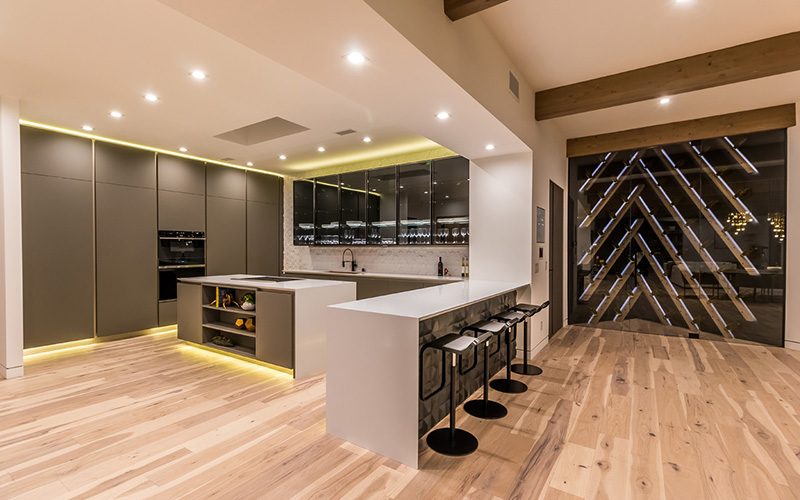
Hardwood remains a timeless flooring choice, but standard straight-plank installations can sometimes feel predictable. Laying natural timber in dynamic geometric formations introduces structural energy, historic sophistication, and visual rhythm to foyers, hallways, and central living areas.

Classic Herringbone and Crisp Chevron Patterns

Herringbone and chevron arrangements both use angled planks, yet their construction techniques produce distinct visual effects.
  • Herringbone Installation: Individual rectangular wooden planks are positioned perpendicularly in a staggered, overlapping 90-degree zig-zag. This pattern provides multidirectional stability, highlights organic grain variations, and draws the eye forward down entry corridors.
  • Chevron Precision: Chevron planks feature ends cut at precise 45-degree or 60-degree angles. When aligned edge-to-edge, they create a continuous, razor-sharp V-shaped seam that adds a tailored, contemporary feel reminiscent of classic Parisian townhomes.
  • Scale Variations: Using oversized, extra-wide engineered oak planks creates a modern, open ambiance, whereas narrow, antiqued walnut strips bring an intimate, historic character to formal dining rooms and libraries.

Intricate Parquet Inlays and Medallions

Custom parquetry turns wood flooring into intricate mosaic woodwork. Incorporating parquet medallions or Versailles panels in high-visibility areas like entrance foyers establishes an undeniable focal point. Using subtle tone variations, such as pairing white oak borders with rich walnut field tiles, defines spaces naturally without the need for physical partitions.

Seamless Material Transitions: Mixing Wood, Tile, and Stone

One of the most striking contemporary flooring trends is abandoning straight transitions and thresholds in favor of organic, mixed-material integration. Rather than separating living spaces and wet zones with abrupt metal trim pieces, modern designs allow natural wood planks and decorative tiles to merge fluidly.

The Hexagon-to-Plank Hex-Tile Gradient

Blending hexagonal porcelain or encaustic tiles into standard hardwood planks creates a visually striking transition between high-traffic entryways and living rooms.
  • Organic Interlocking Cuts: Floor layers cut hardwood planks to lock directly around the geometric edges of incoming hexagonal tiles, creating a scattered, dissolving effect across the room boundary.
  • Zone Differentiation: This technique brings durable, waterproof ceramic or natural slate protection to wet entryways and mudrooms while maintaining the warmth of natural wood in adjacent spaces.
  • Contrast Combinations: Pairing deep charcoal or patterned Moroccan encaustic tiles with pale, wire-brushed white oak delivers a bold, eye-catching visual transition.

Inlaid Metal Trim and Stone Accents

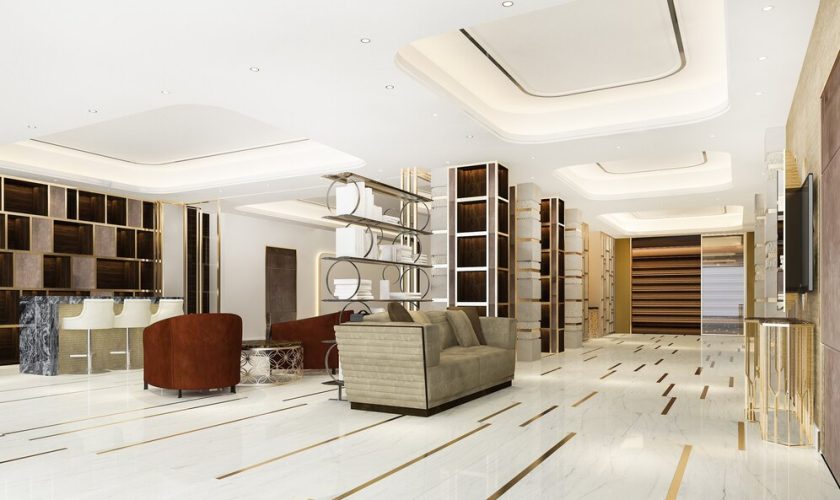
Incorporating slim brass, bronze, or blackened steel inlays between terrazzo slabs, polished concrete, or hardwood planks introduces subtle architectural luxury. These thin metallic transitions catch natural light, accentuate room boundaries, and highlight deliberate layout divisions.

Statement Tiles: Encaustic, Terrazzo, and Mosaic Expressions

Tile offers unmatched creative freedom through color, shape, pattern, and texture. Installing artistic tile designs in entryways, mudrooms, powder baths, and open kitchens creates an immediate visual impact that sets expectations for the entire home.

Handcrafted Encaustic Cement Tiles

Unlike glazed ceramic tiles where color is applied only to the top layer, encaustic cement tiles feature pigmented mineral patterns pressed deep into the tile body.
  • Artisanal Character: Slight imperfections and matte, chalky textures give cement tiles handmade warmth that synthetic surfaces cannot replicate.
  • Geometric and Botanical Motifs: From bold Spanish and Portuguese stars to delicate floral scrollwork, encaustic patterns transform narrow entryways into lively, welcoming spaces.
  • Rug-Style Inlays: Framing a patterned tile layout with a solid stone or porcelain border mimics the visual appeal of an area rug while retaining the durability and ease of cleaning of hard flooring.

Revitalized Custom Terrazzo

Once a staple of mid-century commercial architecture, terrazzo has returned as a premier residential flooring option. Made by setting chips of marble, quartz, granite, and colored glass into a cementitious or epoxy matrix, poured-in-place or large-format terrazzo tiles offer an exceptionally smooth, customized surface.
  • Custom Aggregate Blends: Homeowners can calibrate chip sizes and color tones, combining jade marble fragments with neutral stone matrices to echo subtle interior color accents.
  • Seamless Continuous Flow: Polished terrazzo delivers an expansive, light-reflective surface that makes small entry vestibules and compact living zones feel open, airy, and bright.

Industrial Minimalism: Polished, Stained, and Exposed Concrete

For contemporary, industrial, or minimalist interiors, concrete flooring offers a sleek, monolithic foundation that shifts attention to clean architectural lines, furniture silhouettes, and incoming natural daylight.
Refining concrete surfaces involves several creative approaches:
  • High-Gloss Diamond Polishing: Grinding the concrete surface with fine diamond abrasives produces a mirror-like finish that bounces ambient light across open-plan living areas.
  • Acid and Water-Based Staining: Acid stains react chemically with the free lime in cured concrete, producing rich, mottled tones reminiscent of natural travertine, leather, or aged slate.
  • Aggregate Exposure Levels: Heavy surface grinding reveals the internal sand and gravel aggregates, delivering an organic, salt-and-pepper or exposed-stone appearance that naturally disguises everyday dust and foot traffic.

Flooring Strategy and Visual Impact Breakdown

Flooring Design Concept Best Suited Areas Primary Visual Impact Maintenance Considerations
Herringbone / Chevron Wood Foyers, long hallways, open living rooms Lengthens sightlines and introduces refined geometry Requires standard hardwood care and humidity management
Hexagon Tile to Wood Gradient Entryways, kitchen-to-living transitions Creates artistic, seamless zone divisions Demands precision cutting and flexible expansion grouting
Encaustic Cement Rug Inlays Vestibules, powder rooms, mudrooms Delivers bold pattern focal points and historic charm Requires periodic penetrative sealing to prevent staining
Poured or Tiled Terrazzo Contemporary foyers, dining areas Bounces natural light and offers custom aggregate color Simple to clean, needs occasional mechanical repolishing
Polished Aggregate Concrete Industrial lofts, open-plan spaces Monolithic, modern, and uninterrupted floor flow Highly durable, needs sealed expansion joints and mopping

Layering Textures and Directional Flow

Creative flooring is not just about choosing bold colors; it involves strategically guiding movement and perception through the home.
Directing plank layouts toward primary architectural features—such as floor-to-ceiling windows, statement fireplaces, or garden vistas—draws the eye through the interior. Similarly, switching plank orientations or introducing decorative borders between adjoining rooms provides subtle spatial cues, making open floor plans feel organized and intentional without adding walls.
Investing in imaginative, high-craftsmanship flooring turns an everyday structural surface into a memorable design statement. By combining rich geometric woodwork, artistic tile transitions, and durable custom aggregates, you ensure your home leaves an unforgettable first impression on anyone who walks through the door.

Frequently Asked Questions

What type of flooring is best for high-traffic entryways in wet climates?

Porcelain tile, natural slate, and polished concrete are optimal for entryways in wet climates because they resist water penetration, mud, road salt, and abrasive grit. If natural wood is preferred, engineered hardwood with a durable aluminum oxide finish or high-quality wood-look porcelain tile provides superior moisture resistance compared to solid wood planks.

How do contractors handle height differences when blending tile and hardwood together?

Achieving a flush, smooth transition between dissimilar materials requires careful subfloor preparation. Contractors often apply self-leveling underlayment or use uncoupling membranes of varying thicknesses beneath the tile. This aligns the finished top surface of the tile perfectly with the height of the adjacent hardwood, eliminating tripping hazards and awkward transition strips.

Can encaustic cement tiles be installed over existing radiant floor heating systems?

Yes. Cement tiles have good thermal mass, allowing them to conduct and retain heat effectively over radiant heating systems. Installers must use a flexible, polymer-modified thin-set mortar and leave adequate perimeter expansion gaps to accommodate natural thermal expansion and contraction during seasonal temperature shifts.

How does the scale of a flooring pattern affect the perceived size of a room?

Large-scale patterns, such as wide-plank chevron or oversized large-format tiles, reduce visual clutter by minimizing visible grout lines and seams, making compact rooms feel larger and more open. Conversely, small, intricate patterns work well as defined focal accents in contained areas like entry vestibules and powder rooms.

Are concrete floors too hard or cold for standard residential living areas?

While concrete is inherently dense, pairing it with in-floor hydronic or electric radiant heating creates an evenly warm, comfortable living surface during cold seasons. Additionally, strategic placement of thick natural-fiber area rugs, wool runners, and upholstered furnishings softens acoustics and adds tactile comfort throughout the home.

How often do natural encaustic cement tiles need to be resealed?

Encaustic cement tiles are porous and lack a vitreous glaze, requiring application of a high-quality penetrative sealer immediately after installation and before grouting. In typical residential entryways and bathrooms, re-applying a breathable penetrative stone sealer every two to three years prevents liquid absorption, oils, and dirt from staining the pigments.

What is the primary difference between solid hardwood and engineered wood for geometric patterns?

Solid hardwood consists of single pieces of milled timber that expand and contract across their width with humidity changes, requiring careful climate control when installed in complex patterns. Engineered hardwood features a real hardwood veneer bonded over cross-laminated plywood layers, offering superior dimensional stability that resists warping and cupping in intricate herringbone or chevron installations.
read more
Flooring

Flooring Ideas and Tips: Choose the Perfect Flooring for Your Home

Flooring is one of the most crucial elements of interior design, influencing both the aesthetic appeal and functionality of any space. The right flooring choice enhances comfort, durability, and the overall value of your home. With a wide variety of materials, textures, and styles available, selecting the perfect flooring can feel overwhelming. Understanding the types of flooring, their advantages, and their installation requirements can help homeowners make informed decisions tailored to their lifestyle and design preferences.

Understanding the Importance of Flooring

Flooring serves both practical and aesthetic purposes. Its impact goes beyond appearance, affecting comfort, safety, and maintenance. Some key aspects include:

  • Durability: Flooring must withstand daily wear and tear, especially in high-traffic areas.
  • Aesthetic Appeal: Flooring sets the tone for a room’s style, whether modern, classic, rustic, or minimalist.
  • Maintenance: Some flooring types require minimal upkeep, while others demand regular care.
  • Comfort: Flooring influences the comfort level of living spaces, including warmth and sound absorption.
  • Safety: Slip-resistant materials and proper installation reduce the risk of accidents.

By evaluating these factors, homeowners can select flooring that complements both their lifestyle and home design.

Popular Types of Flooring

There are numerous flooring options, each with unique characteristics and benefits.

Hardwood Flooring

Hardwood is a timeless and elegant choice for homes. Popular types include oak, maple, cherry, and walnut.

Advantages:

  • Natural beauty with warm tones and grain patterns.
  • Durable and long-lasting, especially with proper finishing.
  • Can be sanded and refinished multiple times to restore appearance.

Considerations:

  • Sensitive to moisture and humidity, making it less suitable for bathrooms or basements.
  • Higher initial cost compared to other flooring materials.
  • Requires regular maintenance like polishing and cleaning to prevent scratches.

Hardwood flooring adds classic appeal and can complement both traditional and modern interiors.

Laminate Flooring

Laminate flooring offers the look of wood or stone at a more affordable price. It consists of a photographic layer over fiberboard with a protective topcoat.

Advantages:

  • Cost-effective and easy to install.
  • Resistant to scratches and fading.
  • Wide variety of styles and finishes mimicking wood, stone, or tile.

Considerations:

  • Not as durable as solid hardwood.
  • Susceptible to water damage if exposed to excessive moisture.
  • Can feel less authentic underfoot compared to natural materials.

Laminate flooring is ideal for homeowners seeking style on a budget without compromising durability.

Vinyl Flooring

Vinyl flooring is a versatile and water-resistant option, available in sheets, planks, or tiles. Modern luxury vinyl tiles (LVT) closely mimic natural materials.

Advantages:

  • Highly water-resistant, suitable for kitchens and bathrooms.
  • Easy to clean and maintain.
  • Comfortable and soft underfoot compared to tile or hardwood.

Considerations:

  • Can dent or scratch under heavy furniture.
  • May not add as much value to a home as hardwood.
  • Quality varies, so selecting high-grade vinyl is important.

Vinyl flooring provides practical, stylish, and low-maintenance solutions for high-traffic and moisture-prone areas.

Tile Flooring

Tiles are available in ceramic, porcelain, and natural stone, offering a variety of patterns and textures.

Advantages:

  • Extremely durable and water-resistant.
  • Wide range of colors, sizes, and textures.
  • Ideal for kitchens, bathrooms, and outdoor spaces.

Considerations:

  • Can be cold and hard underfoot, sometimes requiring rugs or heating systems.
  • Grout lines need periodic cleaning to prevent discoloration.
  • Installation can be labor-intensive and costly.

Tile flooring is perfect for spaces requiring durability, easy cleaning, and water resistance.

Carpet Flooring

Carpets add softness, warmth, and noise reduction, making them ideal for bedrooms and living areas.

Advantages:

  • Comfortable and warm underfoot.
  • Absorbs sound, improving room acoustics.
  • Available in a wide range of textures, colors, and patterns.

Considerations:

  • Requires regular vacuuming and professional cleaning.
  • Susceptible to stains and wear in high-traffic areas.
  • Can harbor allergens if not maintained properly.

Carpet flooring enhances comfort and coziness, offering both aesthetic flexibility and functional benefits.

Bamboo and Cork Flooring

Bamboo and cork are eco-friendly alternatives gaining popularity in sustainable home design.

Advantages:

  • Renewable and environmentally friendly.
  • Comfortable and warm underfoot.
  • Resistant to moisture and pests, depending on treatment.

Considerations:

  • Bamboo may scratch or dent more easily than hardwood.
  • Cork requires sealing to prevent water damage.
  • Limited style options compared to traditional wood or tile.

Eco-conscious homeowners often choose bamboo or cork to reduce environmental impact while maintaining stylish flooring.

Factors to Consider When Choosing Flooring

Selecting the right flooring involves more than aesthetics. Key factors include:

  • Room Function: High-traffic areas need durable, easy-to-clean options, while bedrooms can accommodate softer surfaces.
  • Moisture Resistance: Kitchens, bathrooms, and basements require water-resistant flooring materials like vinyl, tile, or treated wood.
  • Budget: Balancing upfront cost with long-term maintenance expenses ensures the best value.
  • Style and Design: Flooring should complement interior decor and architectural style.
  • Comfort and Safety: Consider slip resistance, sound absorption, and warmth underfoot for a comfortable living environment.
  • Installation Requirements: Some materials are DIY-friendly, while others may require professional installation.

Evaluating these factors ensures that your flooring choice aligns with your practical needs and design preferences.

Flooring Installation Tips

Proper installation is crucial to ensure durability and aesthetic appeal. Some tips include:

  • Prepare the Subfloor: Ensure the surface is clean, dry, and level before installation.
  • Acclimate Materials: For wood or laminate, allow materials to adjust to room temperature and humidity to prevent expansion or warping.
  • Follow Manufacturer Guidelines: Adhere to installation instructions, including adhesive type, spacing, and underlayment requirements.
  • Use Professional Help When Necessary: Complex materials like tile, hardwood, or cork may require skilled professionals to ensure proper alignment and durability.
  • Plan Layout: Consider room shape, natural light, and focal points to determine the best flooring pattern.

Following proper installation techniques ensures long-lasting, visually appealing flooring.

Maintenance and Care

Different flooring materials require tailored maintenance to maintain their appearance and longevity.

  • Hardwood: Regular sweeping, occasional polishing, and refinishing as needed. Avoid excessive water.
  • Laminate: Sweep or vacuum regularly, use a damp mop sparingly, and avoid abrasive cleaners.
  • Vinyl: Sweep and mop with mild detergent; avoid harsh chemicals.
  • Tile: Clean grout lines and tiles regularly; reseal natural stone periodically.
  • Carpet: Vacuum frequently, spot-clean stains promptly, and schedule professional cleaning.
  • Bamboo/Cork: Dust and mop carefully, avoid excessive moisture, and reseal periodically.

Routine maintenance protects your investment, ensuring your flooring looks attractive for years.

Flooring Trends

Modern flooring trends focus on aesthetics, sustainability, and functionality. Popular trends include:

  • Wide Plank Hardwood: Creates a modern, spacious look in living areas.
  • Luxury Vinyl Tiles (LVT): Mimic natural wood or stone with durable, waterproof designs.
  • Eco-Friendly Materials: Bamboo, cork, and reclaimed wood align with sustainable living practices.
  • Patterned Tiles: Bold geometric or mosaic designs add personality to kitchens and bathrooms.
  • Mixed Materials: Combining wood, tile, and carpet in open spaces creates visual interest and functional zoning.

Staying updated with trends helps homeowners choose flooring that is both stylish and practical.

Conclusion

Flooring is a foundational element in home design, influencing aesthetics, comfort, durability, and value. By understanding the variety of materials available, their benefits, and their maintenance requirements, homeowners can make informed decisions tailored to each room’s function and overall design vision. Proper installation, routine care, and thoughtful selection ensure that flooring remains beautiful, functional, and durable for years to come. Whether choosing timeless hardwood, cost-effective laminate, water-resistant vinyl, elegant tile, or cozy carpet, selecting the right flooring transforms your home’s interior and elevates its overall appeal.

FAQ: Flooring Tips

1. How do I choose the best flooring for high-traffic areas?
Opt for durable, scratch-resistant materials like hardwood, laminate, vinyl, or tile to withstand heavy use.

2. Is laminate flooring as durable as hardwood?
Laminate is more affordable and scratch-resistant but may not last as long or be refinished like solid hardwood.

3. What is the easiest flooring to maintain?
Vinyl and tile are low-maintenance, water-resistant, and easy to clean, making them ideal for busy households.

4. Can flooring impact home value?
Yes, high-quality and aesthetically appealing flooring like hardwood or tile can increase property value.

read more
Flooring

Get a good deal on Home Ground surface

At the point when you’re upgrading your home, the majority of your spending plan likely goes to ground surface. From the actual floor to the establishment and support, the expenses do add up before long. Yet, times are changing, and what was once a speculation of a few thousand dollars would now be able to be accomplished for significantly less. Certainly, you actually get what you pay for, yet present day fabricating offers new choices and materials that give you all the more value for the money. Here are a few different ways to get a good deal on home ground surface without compromising style or quality.

Cost-proficient materials

In case you’re adequately fortunate to have a profound financial plan, you can likely go for real stone or hardwood flooring. Yet, in case you’re similar to most mortgage holders, you’ll need to make due with less expensive choices – however that doesn’t mean you’re getting less. Materials like fired tile, cover, and strong deck offer near a similar quality for not exactly a large portion of the cost. Whenever you have a financial plan recorded, you can think about all the deck types that fit the bill.

Defensive region mats

For a great many people, the spending doesn’t stop once the floors are introduced. Regularly, you’ll need to pay for infrequent resealing and fixing minor issues like scratches, squeaks and stains. With a space mat, you can limit the mileage that in any case makes your floor age. There are heaps of plans now accessible, so you can without much of a stretch observe one to be that works out in a good way for your ground surface.

Complement tiles

An ever increasing number of individuals are utilizing accent tiles to rejuvenate their floors. Rather than utilizing a solitary tone, have a go at fixing the sides with a beautifying line. Or then again on the off chance that you have the space to save, take a stab at utilizing accent tiles to feature specific spaces of the room. Most pronunciation tiles come as a feature of a plan bundle, so you don’t need to blend and match- – and you can get great limits for getting them in mass.

Appropriate support

It seems like guaranteed, yet couple of individuals truly perceive the significance of floor support. Most expensive fixes should really be possible longer than an end of the week by somebody with even fundamental abilities. Straightforward advances like tidying up spills, customary cleaning and vacuuming, and limiting effect can lessen the danger of harm, and save you a decent arrangement of cash in support.

Simon Burke has worked in the home improving field for a long time and loves to share his inside plan encounters and thoughts with mortgage holders all over.

read more
Flooring

Log Home Floor Plans That You Can Tweak

A log home floor plan isn’t something to be messed with. What settles on this choice much harder is that there are many various sizes, styles and plans to browse. How would you sort out what you need? I’m here to assist you with figuring out what log home floor plan you need.

The principle thought is the area. The style of log home floor plan you buy for the lakefront will be very unique in relation to for on a mountain. Likewise think about the size of the land you need to expand on. I don’t care for seeing enormous homes crushed onto a little parcel. There’s no feeling of protection or space. A log home requirements land around it to fit the look and style of house. Likewise think about whether the land is inclining, rough, or almost a stream. You can exploit those provisions with various floor plans, for example, a stroll in cellar or one divider brimming with windows.

Presently ponder what you need the log home for. Is it simply an end of the week log home, a mid year home or full time living? Assuming it’s simply an end of the week escape, a straightforward floor plan for a little lodge would work. A mid year home, a famous place for getting away or full time home requires an entirely different log home floor plan. Enormous living regions, large kitchen, and numerous rooms would be imperative for those circumstances. On the off chance that you anticipate at last selling the home, think about that too.

Since you know what you need in your home arrangement, ensure you have the space for every last bit of it! You will likely need to make changes so you have a log home floor intend to fit the size of your part.

read more
Flooring

Log Home Floor Plans – Where to Get Them

Log home floor designs and outlines are the above all else instrument to use in developing your very own log lodge. To develop your home from the beginning and without blunder, you need to realize what you’re doing from the very beginning, clearly – yet are all floor plans made equivalent? In some cases we can discover plans online that can be downloaded at a little cost, or in any event, free of charge… yet, how great would they say they are? Do they all think about drafting capabilities, development guidelines and such? There are laws to maintain, and the extremely most exceedingly terrible thing that can happen is to have something assembled that may challenge a specific construction regulation and afterward get given a court request to have everything destroyed. So where would we be able to discover reliable plans?

Indeed, log home floor plans gotten off the web can be seen whether they are “up to code” by enrolling the assistance of an expert draftsman. Do you know any? In the event that you enlist a modeler to give you an expert assessment on a bunch of plans, you can be sure to have the option to ensure in case everything is up to code or not. Obviously, recruiting one can be expensive – particularly relying on the number of plans you end up running by one. The truth is that going with regards to it in this manner is simply not savvy. In this way, we need to change our speculation with regards to where to obtain some fair, up-to-code plans. What might be a superior source?

Log home floor plans being code commendable to the extent how things ought to be worked by laws and guidelines are best found from the people who have been occupied with building log lodges for those hoping to construct a permanent spot for themselves. Organizations who assemble log lodge homes work with the legitimate plans to build sufficiently fabricated constructions that rise up to code and keep going for ages. These are individuals to go to for securing the best outlines and floor plans. Many such organizations that can be found online are glad to present instances of their arrangement portfolios, and even may offer total bundles of various designs for a little charge – one that would be extraordinarily more affordable than employing a planner for proficient feelings on whatever you might discover there.

For log home floor intends to be hed this up, it might even be ideal to search for those organizations who bargain in log lodge units. Organizations who bargain in economical, pre-processed logs that are uniform and exchangeable frequently have an extreme number of plans and outlines in their portfolio. Assuming you need to get various plans with an immense measure of assortment to browse, then, at that point, this is the best approach.

read more