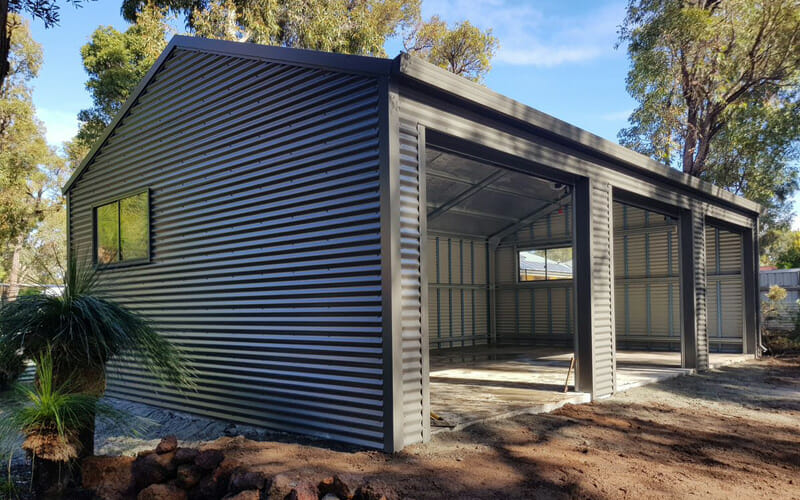
Adding a shed to your Perth property can be one of the most practical ways to create extra storage, protect valuable equipment and make better use of available outdoor space. Whether you need somewhere to keep gardening tools, a secure workshop for weekend projects, additional room for vehicles or a dedicated area for hobbies, the right shed can become a genuinely useful extension of your property.
However, choosing a shed should involve more than selecting a design that looks appealing. Perth’s climate, property layout, intended use, available space and long-term maintenance requirements all deserve consideration. A shed that works beautifully for one property may be entirely unsuitable for another.
By thinking carefully about your requirements before making a decision, you can choose a structure that provides practical value while complementing your home and outdoor environment.
Start by Defining What the Shed Will Be Used For
The first step is to identify the primary purpose of the shed. This sounds straightforward, but it can influence almost every other decision.
A small garden shed used for hand tools requires very different specifications from a large structure intended to accommodate vehicles or workshop equipment.
Think about what you actually need to store and how frequently you will access it. Your requirements might include:
- Gardening tools, lawn equipment and outdoor furniture
- Bicycles, sporting equipment and recreational gear
- Vehicles, trailers or motorcycles
- Workshop machinery and DIY tools
- Household storage and seasonal belongings
- A dedicated hobby or project area
It is also sensible to consider future needs. If your household is likely to acquire additional equipment, building with a little extra capacity can prevent the structure from becoming restrictive.
Consider the Size of Your Perth Property
The available space will naturally influence the size of your shed, but the largest possible structure is not always the most practical choice.
Measure the proposed location carefully and consider how the shed will affect the rest of the property. You may need to preserve access to the garden, driveway, outdoor entertaining area or other structures.
Remember to account for the space needed around the shed itself. Doors need to open comfortably, vehicles need room to manoeuvre and pathways should remain accessible.
A well-proportioned shed can feel like a natural part of the property, whereas an oversized building may dominate the available outdoor area.
Think About Perth’s Climate
Perth’s climate should be an important consideration when selecting a shed. The city experiences hot, dry summers and seasonal rainfall, so the building needs to provide appropriate protection against heat, sun and moisture.
Good ventilation can be particularly useful during hot weather. A poorly ventilated shed can become extremely warm inside, especially when exposed to direct sunlight throughout the day.
Roof design and insulation may also deserve attention if the building will be used as a workshop or occupied regularly.
For simple storage, ventilation may be sufficient. If people will spend extended periods inside, additional measures to improve comfort may be worthwhile.
Choose Materials Carefully
Sheds are available in a range of materials, each with different characteristics.
Steel is a popular option for many applications because of its strength and durability. It can provide a clean, practical appearance while offering substantial protection for stored belongings.
Timber sheds can provide a more traditional or natural aesthetic and may complement certain garden settings particularly well. However, timber generally requires appropriate maintenance to preserve its condition.
The best choice depends on the intended use, local conditions, desired appearance and maintenance expectations.
When comparing materials, consider more than the initial purchase price. Think about longevity, upkeep, weather resistance and how easily individual components can be repaired or replaced.
Pay Attention to Roof Design
The roof is one of the most important parts of a shed because it protects everything beneath it.
In Perth, where intense summer sun can place considerable heat on exposed surfaces, the roofing material and design can influence internal conditions. A suitable roof can also help manage rainwater during wetter periods.
Gutters and downpipes may be useful for larger sheds, particularly where directing rainwater away from foundations is important.
If the shed will be used for valuable equipment or as a workshop, investing in a robust roofing system can provide additional peace of mind.
Plan the Shed’s Position Carefully
Where the shed is located can affect convenience, appearance and long-term usability.
Consider how you will access it from the house and driveway. If you are storing gardening equipment, placing the shed near the garden may reduce unnecessary carrying. If vehicles or trailers will enter the structure, the access route becomes even more important.
Sun exposure should also be considered. A shed positioned in direct afternoon sun may become considerably hotter than one with some natural shade, although nearby trees should not create problems with roots, falling branches or maintenance.
Drainage is another factor. Avoid locations where water naturally collects during rainfall.
Check Planning and Building Requirements
Before purchasing a shed, investigate the requirements that apply to your Perth property.
Rules can vary depending on factors such as the size and height of the structure, its location, property boundaries and intended use. Some structures may fall within particular exemptions, while others may require approval.
Do not assume that a shed is automatically exempt because it is relatively small. Requirements can change according to the circumstances of the property.
Checking the applicable regulations before ordering a structure can prevent unexpected complications later.
Think About Doors and Accessibility
Door configuration should match the shed’s purpose.
A small storage shed may only require a standard pedestrian door. A larger workshop or vehicle shed may need wide roller or sliding doors.
Think about what will pass through the entrance. Measure the height and width of vehicles and equipment and allow additional clearance.
If the shed will store frequently used tools, a separate pedestrian entrance can be convenient. It means you do not need to open a large vehicle door every time you want to retrieve a small item.
Plan Storage Before Filling the Shed
A large shed can still become cluttered without a proper organisation system.
Before installation, think about where shelving, cabinets, hooks and workbenches will go. Wall-mounted storage can make excellent use of vertical space while preserving valuable floor area.
It can also help to divide the shed into zones. Frequently used equipment should be easy to reach, while seasonal items can be stored further away.
A simple system can save considerable time later. When every item has a logical place, the shed remains easier to use and maintain.
Consider Security for Valuable Items
If the shed will contain expensive tools, bicycles, machinery or vehicles, security should be considered from the beginning.
A strong door and appropriate locking system provide the basic foundation. Depending on the property and the items being stored, additional security features may be worthwhile.
Exterior lighting can improve visibility around entrances, while secure windows can reduce unnecessary access points.
It is also sensible to consider the shed’s visibility from surrounding properties and public areas. Keeping valuable equipment out of direct view can provide an additional practical precaution.
Decide Whether You Need Insulation
Insulation is not essential for every shed, but it can make a significant difference when the structure will be used as a workshop, office or hobby room.
Perth’s hot summers can make uninsulated buildings uncomfortable, particularly during the hottest part of the day.
If you plan to spend regular time inside, consider insulation alongside ventilation, windows and suitable lighting. Planning these features before construction is generally easier than retrofitting them later.
Consider Electrical and Lighting Requirements
A simple storage shed may need little more than basic lighting, but a workshop can have considerably greater electrical requirements.
Think about where power outlets will be needed and whether machinery, lighting or charging equipment will be used.
Any electrical installation should be completed in accordance with applicable regulations by a suitably qualified professional.
Good lighting is also important for safety and convenience. Natural light can be useful during the day, while appropriate artificial lighting allows the shed to remain practical after sunset.
Match the Design to Your Home
A shed is a functional structure, but that does not mean it should look disconnected from the rest of the property.
Consider the colours, finishes, roof style and proportions of the existing home. A shed that complements the property’s architecture and landscaping can feel considerably more polished.
Simple landscaping around the building may also help integrate it into the garden without obstructing access.
Think About Long-Term Maintenance
Every shed requires some level of care. The amount depends on its construction, materials, exposure and intended use.
Before choosing a design, consider how easy it will be to inspect and maintain the roof, doors, drainage, exterior surfaces and hardware.
Durable materials may cost more initially but can sometimes reduce ongoing maintenance requirements.
It is also worth keeping an eye on drainage and roof gutters, particularly after periods of heavy rain.
Make the Decision Based on Your Actual Needs
Choosing the right shed in Perth ultimately comes down to balancing practicality, property constraints and future requirements.
Start with the purpose of the building, then consider size, location, materials, climate, access, security and maintenance. Do not overlook regulations, drainage or the internal organisation of the space.
The best shed is not necessarily the biggest or most elaborate option. It is the one that fits naturally into your property and provides the right combination of storage, protection and functionality.
With careful planning, a well-chosen shed can become a valuable addition to a Perth property. Whether it serves as a secure storage area, workshop, equipment shelter or flexible hobby space, the right structure can make outdoor areas more organised while giving you practical room to accommodate the things that matter in everyday life.