close

July 2025

Furniture

Furniture Ideas and Tips: Choosing the Perfect Pieces for Your Home

Furniture plays a pivotal role in defining the style, comfort, and functionality of any living space. From living rooms to bedrooms, offices, and outdoor areas, carefully selected furniture pieces can transform a house into a home. Choosing the right furniture involves balancing aesthetics, practicality, and durability. With countless materials, designs, and layouts available, understanding the essentials can help homeowners make informed decisions that match their lifestyle and personal taste.

Importance of Furniture in Home Design

Furniture is more than mere utility; it influences the overall ambiance, usability, and flow of a space. Key reasons why furniture selection matters include:

  • Comfort and Functionality: Ergonomic seating, supportive beds, and versatile storage units enhance daily living.
  • Aesthetic Appeal: Furniture reflects style preferences, ranging from modern and minimalist to rustic and traditional.
  • Space Optimization: Well-chosen furniture ensures efficient use of space without cluttering rooms.
  • Durability and Longevity: High-quality furniture withstands wear and tear, offering lasting value.
  • Personal Expression: Furniture choices allow homeowners to showcase personality and lifestyle preferences.

Prioritizing these factors ensures furniture not only serves a functional purpose but also complements the overall design of the home.

Popular Types of Furniture

Furniture is categorized by function, material, and style. Understanding the options helps homeowners make educated choices.

Living Room Furniture

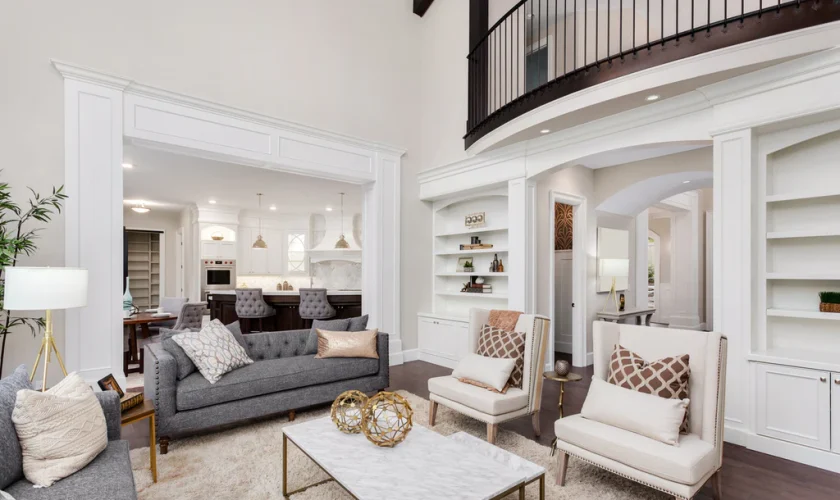
The living room is often the focal point of a home, combining relaxation, entertainment, and social interaction. Essential pieces include:

  • Sofas and Sectionals: Available in fabric, leather, or microfiber, sofas set the tone for comfort and style. Sectionals offer flexible seating for larger spaces.
  • Coffee Tables: These central pieces enhance functionality, providing surfaces for décor, books, and beverages.
  • Side Tables and Console Tables: Offer additional storage and accent pieces that tie the room together.
  • Entertainment Units: Cabinets or media consoles organize electronics while complementing room aesthetics.

When selecting living room furniture, consider size, layout, material durability, and color coordination to create a cohesive and inviting environment.

Bedroom Furniture

Bedrooms require a balance of comfort and storage solutions. Key pieces include:

  • Beds and Mattresses: Choosing the right size, frame material, and mattress type ensures restful sleep.
  • Wardrobes and Closets: Essential for organized clothing storage; sliding or hinged doors can optimize space.
  • Nightstands: Convenient storage and surface space for bedside essentials.
  • Dressers and Chests: Provide additional storage while contributing to room style.

Bedroom furniture should prioritize comfort, storage efficiency, and personal style preferences, creating a serene retreat.

Dining Room Furniture

Dining furniture impacts both aesthetics and functionality in eating areas. Common choices include:

  • Dining Tables: Available in wood, glass, metal, or composite materials, tables set the foundation for gatherings.
  • Chairs and Benches: Ergonomic designs provide comfort; matching or contrasting styles enhance visual appeal.
  • Buffets and Sideboards: Additional storage for dinnerware, linens, and serving accessories.
  • Bar Carts or Cabinets: Offer convenience and style for entertaining guests.

Selecting durable materials and flexible designs ensures dining furniture accommodates both everyday use and special occasions.

Office and Study Furniture

With remote work and home offices becoming standard, functional and ergonomic furniture is crucial. Key elements include:

  • Desks: Available in compact or executive sizes; materials vary from wood and metal to engineered composites.
  • Chairs: Ergonomic chairs with adjustable height and lumbar support promote comfort during long work sessions.
  • Shelving Units: Essential for organization, storage, and displaying decorative items.
  • File Cabinets: Keep documents organized while maintaining a tidy workspace.

Investing in ergonomic and multifunctional office furniture boosts productivity while maintaining home aesthetics.

Outdoor Furniture

Outdoor furniture enhances the usability and enjoyment of gardens, patios, and balconies. Popular options include:

  • Patio Sets: Tables, chairs, and loungers designed for outdoor durability.
  • Hammocks and Swings: Provide relaxation while adding charm to outdoor spaces.
  • Outdoor Storage Units: Protect cushions and accessories from weather exposure.
  • Weather-Resistant Materials: Aluminum, teak, synthetic wicker, and treated fabrics withstand outdoor conditions.

Choosing weatherproof and low-maintenance materials ensures longevity and comfort in outdoor settings.

Materials Used in Furniture

Material selection impacts furniture durability, maintenance, and style. Common furniture materials include:

  • Wood: Solid wood offers durability, timeless aesthetics, and versatility. Types include oak, maple, walnut, and teak.
  • Metal: Steel, aluminum, and wrought iron provide strength and modern appeal. Often used for frames, chairs, and tables.
  • Glass: Adds sophistication, often used for table tops and cabinets.
  • Fabric: Upholstery fabrics range from cotton and linen to microfiber, providing comfort and variety in textures.
  • Leather and Faux Leather: Durable and luxurious, suitable for sofas, chairs, and office furniture.
  • Composite Materials: Engineered wood or MDF provides cost-effective and versatile solutions for contemporary furniture.

Material choice depends on intended use, maintenance preferences, and design style.

Furniture Styles and Trends

Furniture style defines the personality of a space. Popular trends include:

  • Modern and Minimalist: Clean lines, neutral tones, and functional designs dominate this trend.
  • Rustic and Farmhouse: Warm woods, distressed finishes, and cozy textures create inviting interiors.
  • Industrial: Metal accents, exposed frames, and reclaimed wood provide an urban, contemporary feel.
  • Mid-Century Modern: Retro-inspired furniture with sleek lines, tapered legs, and muted colors remains popular.
  • Scandinavian: Light woods, neutral colors, and simple forms prioritize functionality and comfort.
  • Eco-Friendly Furniture: Sustainable materials, recycled wood, and low-VOC finishes appeal to environmentally conscious homeowners.

Adopting a consistent furniture style throughout a home enhances cohesion and visual harmony.

Choosing the Right Furniture

Selecting furniture requires careful consideration of multiple factors:

  • Functionality: Determine the purpose of each piece, ensuring it serves the intended use efficiently.
  • Space Planning: Measure room dimensions and plan layouts to prevent overcrowding.
  • Comfort: Ergonomic seating, supportive mattresses, and functional designs enhance daily living.
  • Durability: Invest in high-quality materials for longevity and cost-effectiveness.
  • Maintenance: Consider cleaning requirements, stain resistance, and material care.
  • Aesthetic Appeal: Furniture should complement wall colors, flooring, lighting, and décor themes.

Prioritizing these aspects ensures that furniture remains both practical and visually appealing.

Furniture Maintenance Tips

Proper maintenance extends the life of furniture and keeps it looking its best:

  • Wood Furniture: Dust regularly, use polish sparingly, and avoid direct sunlight to prevent fading.
  • Upholstered Furniture: Vacuum frequently, spot-clean stains promptly, and consider professional cleaning for deep maintenance.
  • Metal Furniture: Wipe down surfaces to prevent rust; apply protective coatings if needed.
  • Glass Furniture: Use non-abrasive cleaners to prevent scratches and streaks.
  • Outdoor Furniture: Cover or store items during harsh weather; clean regularly to prevent mold or fading.

Routine maintenance ensures furniture retains its functionality, comfort, and visual appeal over time.

Conclusion

Furniture is a cornerstone of home design, providing comfort, functionality, and style. From living rooms to bedrooms, dining areas, offices, and outdoor spaces, carefully chosen furniture enhances the overall aesthetic and usability of a home. By understanding furniture types, materials, styles, and maintenance requirements, homeowners can make informed decisions that reflect their personality and lifestyle. Investing in durable, ergonomic, and aesthetically pleasing furniture ensures a harmonious and welcoming home environment. Whether selecting timeless wooden pieces, sleek modern designs, or eco-friendly options, thoughtful furniture choices elevate the living experience and add lasting value to any home.

FAQ: Furniture Tips

1. How do I choose furniture that fits a small space?
Opt for multi-functional pieces like storage ottomans, foldable tables, or compact sofas to maximize space efficiency.

2. What is the most durable furniture material?
Solid wood, metal, and high-quality leather are highly durable and long-lasting options.

3. How can I mix different furniture styles in one room?
Combine complementary colors, textures, and proportions while maintaining a balance between modern and traditional elements.

4. How do I care for upholstered furniture?
Vacuum regularly, clean spills immediately, and consider professional cleaning for deep stains.

5. Are eco-friendly furniture options durable?
Yes, sustainable wood, bamboo, and recycled materials can be both eco-conscious and durable when properly treated.

6. What furniture trends are popular for 2025?
Sustainable materials, modular designs, neutral color palettes, and multifunctional furniture are trending in modern interiors.

7. How do I choose furniture for a high-traffic area?
Select scratch-resistant, stain-proof, and durable materials such as leather, microfiber, or treated wood for longevity.
read more
Home

How Architectural Features Can Improve the Look and Function of a Home

A well-designed home is not only about furniture, paint colours, or decorative pieces. The strongest homes often have architectural features that shape the way the space looks, feels, and functions. These features may include staircases, windows, ceiling details, archways, built-in storage, exposed beams, internal openings, wall textures, and carefully planned transitions between rooms.

When architectural elements are planned well, they do more than add visual appeal. They guide movement, improve natural light, create balance, and make everyday living more comfortable. A home can feel more spacious, organised, and complete when its structure and design details work together.

What Makes an Architectural Feature Important?

An architectural feature is any fixed or built-in part of a home that adds character, structure, or function. Unlike loose furniture or decor, these features are part of the home itself. They influence how people move through the space and how each room connects with the next.

Some features are practical, such as staircases, windows, storage walls, and room dividers. Others are more visual, such as ceiling beams, feature walls, decorative trims, and statement entryways. The best features usually do both. They look good while also improving how the home works.

For example, a staircase connects levels, but it can also become a design focal point. A large window brings in light, but it can also frame a view. Built-in shelves store items, but they can also add depth and personality to a room.

Staircases That Shape the Home’s Flow

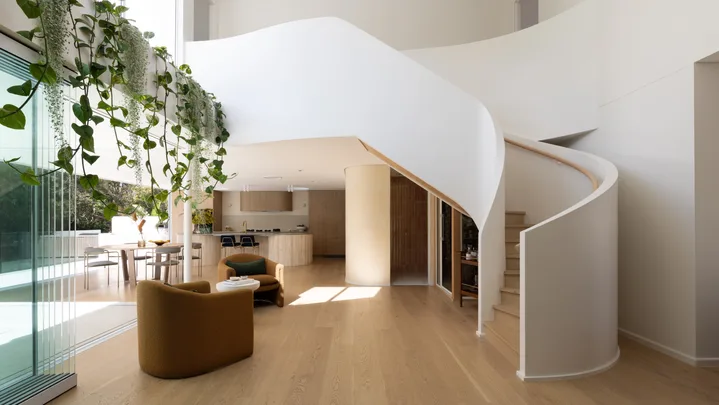
In homes with more than one level, the staircase plays a major role in the layout. It is not just a practical structure. It often affects the look of the entryway, hallway, living area, or open-plan space around it.

A staircase can make a home feel open and elegant, or it can make the space feel heavy and outdated if the design does not match the rest of the interior. Materials, angles, railings, treads, and surrounding finishes all influence the final result.

Modern staircases can be designed to suit many styles. Timber can add warmth. Steel can create a sleek industrial look. Glass can make the area feel lighter. Curved or floating designs can add a sense of movement and sophistication.

Homeowners planning upgrades often look at specialists such as Aussie Stairs when they want the staircase to work as both a safe access point and a strong architectural feature. A well-planned staircase can improve the entire feel of a home, especially when it is visible from main living areas.

Windows and Natural Light

Windows are among the most important architectural features in any home. They affect light, ventilation, privacy, views, and energy comfort. The size, position, and style of windows can completely change how a room feels.

Large windows can make a small room feel more open. High windows can bring in light while maintaining privacy. Corner windows can create a stronger connection to the outdoors. Skylights can brighten internal areas that do not receive enough natural light.

Good window design is not only about making rooms brighter. It also controls how light enters throughout the day. Harsh afternoon sun may need shading, while soft morning light can make bedrooms or kitchens feel more pleasant.

Window frames also contribute to the home’s style. Slim black frames may suit modern interiors, while timber frames can add warmth and texture. The right window choice helps connect indoor and outdoor spaces while supporting the overall design.

Ceiling Details That Add Character

Ceilings are often ignored in home design, but they can make a big difference. A plain ceiling is fine in many rooms, but thoughtful ceiling details can add height, warmth, and personality.

Exposed beams can bring a natural or rustic feel. Recessed ceilings can create depth. Skylights can add light from above. Timber lining boards can make a room feel warmer. Decorative cornices can suit classic interiors.

Ceiling height also affects comfort. High ceilings can make a home feel spacious, while lower ceilings can create a more intimate feeling. In open-plan spaces, ceiling changes can help define zones without needing walls.

For example, a kitchen area may have a different ceiling treatment from the dining or living area. This helps separate the spaces visually while keeping the layout open.

Archways and Internal Openings

Walls divide a home, but openings create flow. Doorways, archways, internal windows, and open passages help connect rooms while still giving each area its own purpose.

Archways can add softness and character, especially in homes that feel too boxy. Wide openings can improve movement between living, dining, and kitchen areas. Internal windows can let light pass between rooms while keeping separation.

These features are useful when homeowners want connection without losing structure. Fully open-plan living is not always the best choice for every household. Sometimes partial separation works better because it allows quieter zones, better furniture placement, and more privacy.

The shape and size of openings should match the style of the home. A modern property may suit clean rectangular openings, while a character home may suit softer arches or detailed trims.

Built-In Storage That Looks Seamless

Storage is one of the most valuable features in a home. When storage is built into the architecture, it can make the house feel cleaner and more organised.

Built-in wardrobes, under-stair storage, window seats with drawers, hallway cupboards, wall shelving, and custom cabinets can all reduce clutter. They also make better use of awkward spaces.

The best built-in storage looks like it belongs. It should match the surrounding walls, flooring, handles, and finishes. When done well, storage becomes part of the design rather than something added later.

Under-stair storage is a good example. This space is often wasted, but it can become a cupboard, wine storage, bookcase, home office nook, or display area. A practical storage feature can also improve the visual balance of the staircase area.

Feature Walls and Textured Surfaces

Feature walls can give a room personality, but they need to be used carefully. Too many feature walls can make a home feel busy. A single well-chosen surface can create depth and focus.

Textured plaster, timber panelling, stone, brick, wallpaper, tiles, or painted detail walls can all work depending on the home’s style. These surfaces are especially useful in entryways, dining areas, bedrooms, stairwells, and living rooms.

A feature wall should have a reason. It may highlight a fireplace, frame a bedhead, draw attention to artwork, or add warmth to a hallway. The material should connect with other finishes in the home so it does not look random.

Texture is also useful because it adds interest without needing too much decoration. A room with strong architectural texture often needs fewer accessories.

Entryways That Set the Tone

The entryway is the first part of the home people experience. It should feel welcoming, but it also needs to be practical. A strong entryway can include good lighting, storage, flooring, a feature wall, a mirror, or a direct view toward an architectural element such as a staircase.

A small entry can still feel impressive if it is planned well. Clear flooring, a neat console, wall hooks, and warm lighting can make the space more useful. In larger homes, the entry might include higher ceilings, a statement door, or a staircase that adds visual impact.

The entryway should give a sense of what the rest of the home feels like. If the interior is modern and minimal, the entry should reflect that. If the home is warm and natural, the entry can use timber, soft lighting, and textured finishes.

Outdoor Connections

Architectural features are not limited to the inside of the home. The way a house connects to outdoor areas can strongly affect comfort and lifestyle.

Sliding doors, covered patios, balconies, decks, pergolas, and outdoor stairs can all improve how a home is used. A strong indoor-outdoor connection can make living spaces feel larger and more flexible.

This is especially useful for entertaining, family time, and natural ventilation. When outdoor access is easy, people are more likely to use the garden, balcony, or courtyard as part of daily life.

Materials should flow between inside and outside where possible. Similar flooring tones, matching handrails, aligned openings, or repeated textures can create a smoother transition.

Balancing Beauty and Practicality

Architectural features should not only look impressive. They should also make sense for the people living in the home. A dramatic staircase, oversized window, or feature wall may look good in photos, but it must also suit daily life.

Before adding or changing a feature, homeowners should think about maintenance, safety, light, privacy, cleaning, movement, and long-term use. A beautiful feature that creates inconvenience may not be the right choice.

The best homes balance beauty with function. Every feature should support the way the household lives, not only the way the home looks.

A Better Home Starts With Strong Design Choices

Architectural features give a home structure, personality, and purpose. They can make rooms feel brighter, movement feel smoother, storage feel easier, and interiors feel more complete.

Whether it is a staircase, window, ceiling detail, built-in shelf, feature wall, or entryway, each fixed element plays a role in the overall experience of the home. When these features are chosen carefully, they improve both appearance and everyday function.

A home does not need to be large or expensive to feel well designed. It needs thoughtful features that work together, support the layout, and make daily living more comfortable.

read more
Flooring

Flooring Ideas and Tips: Choose the Perfect Flooring for Your Home

Flooring is one of the most crucial elements of interior design, influencing both the aesthetic appeal and functionality of any space. The right flooring choice enhances comfort, durability, and the overall value of your home. With a wide variety of materials, textures, and styles available, selecting the perfect flooring can feel overwhelming. Understanding the types of flooring, their advantages, and their installation requirements can help homeowners make informed decisions tailored to their lifestyle and design preferences.

Understanding the Importance of Flooring

Flooring serves both practical and aesthetic purposes. Its impact goes beyond appearance, affecting comfort, safety, and maintenance. Some key aspects include:

  • Durability: Flooring must withstand daily wear and tear, especially in high-traffic areas.
  • Aesthetic Appeal: Flooring sets the tone for a room’s style, whether modern, classic, rustic, or minimalist.
  • Maintenance: Some flooring types require minimal upkeep, while others demand regular care.
  • Comfort: Flooring influences the comfort level of living spaces, including warmth and sound absorption.
  • Safety: Slip-resistant materials and proper installation reduce the risk of accidents.

By evaluating these factors, homeowners can select flooring that complements both their lifestyle and home design.

Popular Types of Flooring

There are numerous flooring options, each with unique characteristics and benefits.

Hardwood Flooring

Hardwood is a timeless and elegant choice for homes. Popular types include oak, maple, cherry, and walnut.

Advantages:

  • Natural beauty with warm tones and grain patterns.
  • Durable and long-lasting, especially with proper finishing.
  • Can be sanded and refinished multiple times to restore appearance.

Considerations:

  • Sensitive to moisture and humidity, making it less suitable for bathrooms or basements.
  • Higher initial cost compared to other flooring materials.
  • Requires regular maintenance like polishing and cleaning to prevent scratches.

Hardwood flooring adds classic appeal and can complement both traditional and modern interiors.

Laminate Flooring

Laminate flooring offers the look of wood or stone at a more affordable price. It consists of a photographic layer over fiberboard with a protective topcoat.

Advantages:

  • Cost-effective and easy to install.
  • Resistant to scratches and fading.
  • Wide variety of styles and finishes mimicking wood, stone, or tile.

Considerations:

  • Not as durable as solid hardwood.
  • Susceptible to water damage if exposed to excessive moisture.
  • Can feel less authentic underfoot compared to natural materials.

Laminate flooring is ideal for homeowners seeking style on a budget without compromising durability.

Vinyl Flooring

Vinyl flooring is a versatile and water-resistant option, available in sheets, planks, or tiles. Modern luxury vinyl tiles (LVT) closely mimic natural materials.

Advantages:

  • Highly water-resistant, suitable for kitchens and bathrooms.
  • Easy to clean and maintain.
  • Comfortable and soft underfoot compared to tile or hardwood.

Considerations:

  • Can dent or scratch under heavy furniture.
  • May not add as much value to a home as hardwood.
  • Quality varies, so selecting high-grade vinyl is important.

Vinyl flooring provides practical, stylish, and low-maintenance solutions for high-traffic and moisture-prone areas.

Tile Flooring

Tiles are available in ceramic, porcelain, and natural stone, offering a variety of patterns and textures.

Advantages:

  • Extremely durable and water-resistant.
  • Wide range of colors, sizes, and textures.
  • Ideal for kitchens, bathrooms, and outdoor spaces.

Considerations:

  • Can be cold and hard underfoot, sometimes requiring rugs or heating systems.
  • Grout lines need periodic cleaning to prevent discoloration.
  • Installation can be labor-intensive and costly.

Tile flooring is perfect for spaces requiring durability, easy cleaning, and water resistance.

Carpet Flooring

Carpets add softness, warmth, and noise reduction, making them ideal for bedrooms and living areas.

Advantages:

  • Comfortable and warm underfoot.
  • Absorbs sound, improving room acoustics.
  • Available in a wide range of textures, colors, and patterns.

Considerations:

  • Requires regular vacuuming and professional cleaning.
  • Susceptible to stains and wear in high-traffic areas.
  • Can harbor allergens if not maintained properly.

Carpet flooring enhances comfort and coziness, offering both aesthetic flexibility and functional benefits.

Bamboo and Cork Flooring

Bamboo and cork are eco-friendly alternatives gaining popularity in sustainable home design.

Advantages:

  • Renewable and environmentally friendly.
  • Comfortable and warm underfoot.
  • Resistant to moisture and pests, depending on treatment.

Considerations:

  • Bamboo may scratch or dent more easily than hardwood.
  • Cork requires sealing to prevent water damage.
  • Limited style options compared to traditional wood or tile.

Eco-conscious homeowners often choose bamboo or cork to reduce environmental impact while maintaining stylish flooring.

Factors to Consider When Choosing Flooring

Selecting the right flooring involves more than aesthetics. Key factors include:

  • Room Function: High-traffic areas need durable, easy-to-clean options, while bedrooms can accommodate softer surfaces.
  • Moisture Resistance: Kitchens, bathrooms, and basements require water-resistant flooring materials like vinyl, tile, or treated wood.
  • Budget: Balancing upfront cost with long-term maintenance expenses ensures the best value.
  • Style and Design: Flooring should complement interior decor and architectural style.
  • Comfort and Safety: Consider slip resistance, sound absorption, and warmth underfoot for a comfortable living environment.
  • Installation Requirements: Some materials are DIY-friendly, while others may require professional installation.

Evaluating these factors ensures that your flooring choice aligns with your practical needs and design preferences.

Flooring Installation Tips

Proper installation is crucial to ensure durability and aesthetic appeal. Some tips include:

  • Prepare the Subfloor: Ensure the surface is clean, dry, and level before installation.
  • Acclimate Materials: For wood or laminate, allow materials to adjust to room temperature and humidity to prevent expansion or warping.
  • Follow Manufacturer Guidelines: Adhere to installation instructions, including adhesive type, spacing, and underlayment requirements.
  • Use Professional Help When Necessary: Complex materials like tile, hardwood, or cork may require skilled professionals to ensure proper alignment and durability.
  • Plan Layout: Consider room shape, natural light, and focal points to determine the best flooring pattern.

Following proper installation techniques ensures long-lasting, visually appealing flooring.

Maintenance and Care

Different flooring materials require tailored maintenance to maintain their appearance and longevity.

  • Hardwood: Regular sweeping, occasional polishing, and refinishing as needed. Avoid excessive water.
  • Laminate: Sweep or vacuum regularly, use a damp mop sparingly, and avoid abrasive cleaners.
  • Vinyl: Sweep and mop with mild detergent; avoid harsh chemicals.
  • Tile: Clean grout lines and tiles regularly; reseal natural stone periodically.
  • Carpet: Vacuum frequently, spot-clean stains promptly, and schedule professional cleaning.
  • Bamboo/Cork: Dust and mop carefully, avoid excessive moisture, and reseal periodically.

Routine maintenance protects your investment, ensuring your flooring looks attractive for years.

Flooring Trends

Modern flooring trends focus on aesthetics, sustainability, and functionality. Popular trends include:

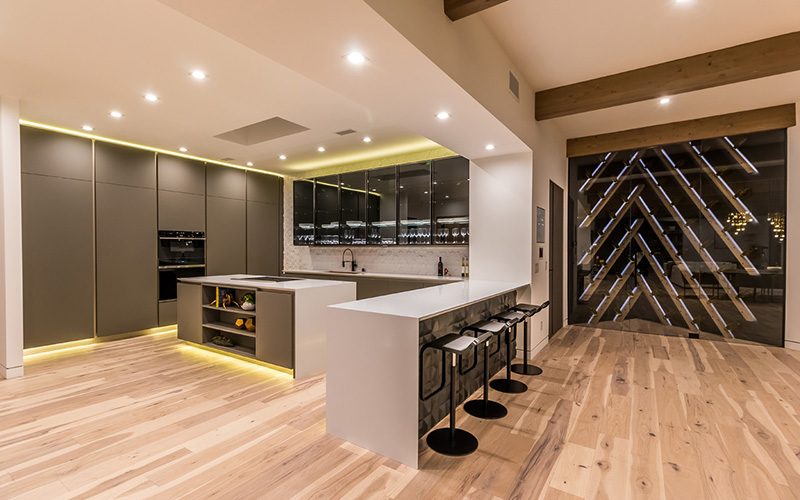
  • Wide Plank Hardwood: Creates a modern, spacious look in living areas.
  • Luxury Vinyl Tiles (LVT): Mimic natural wood or stone with durable, waterproof designs.
  • Eco-Friendly Materials: Bamboo, cork, and reclaimed wood align with sustainable living practices.
  • Patterned Tiles: Bold geometric or mosaic designs add personality to kitchens and bathrooms.
  • Mixed Materials: Combining wood, tile, and carpet in open spaces creates visual interest and functional zoning.

Staying updated with trends helps homeowners choose flooring that is both stylish and practical.

Conclusion

Flooring is a foundational element in home design, influencing aesthetics, comfort, durability, and value. By understanding the variety of materials available, their benefits, and their maintenance requirements, homeowners can make informed decisions tailored to each room’s function and overall design vision. Proper installation, routine care, and thoughtful selection ensure that flooring remains beautiful, functional, and durable for years to come. Whether choosing timeless hardwood, cost-effective laminate, water-resistant vinyl, elegant tile, or cozy carpet, selecting the right flooring transforms your home’s interior and elevates its overall appeal.

FAQ: Flooring Tips

1. How do I choose the best flooring for high-traffic areas?
Opt for durable, scratch-resistant materials like hardwood, laminate, vinyl, or tile to withstand heavy use.

2. Is laminate flooring as durable as hardwood?
Laminate is more affordable and scratch-resistant but may not last as long or be refinished like solid hardwood.

3. What is the easiest flooring to maintain?
Vinyl and tile are low-maintenance, water-resistant, and easy to clean, making them ideal for busy households.

4. Can flooring impact home value?
Yes, high-quality and aesthetically appealing flooring like hardwood or tile can increase property value.

read more
Exterior

Exterior Design Tips: Enhance Your Home’s Curb Appeal and Functionality

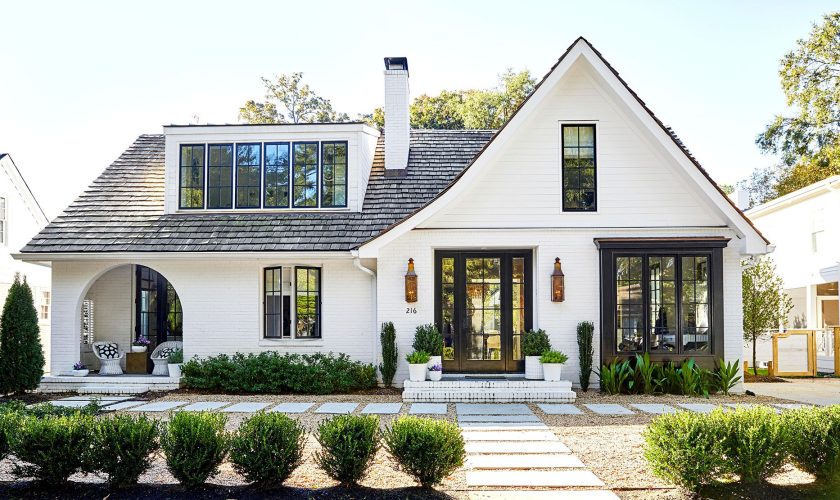
The exterior of your home is the first impression visitors, neighbors, and passersby get of your property. A well-designed exterior not only enhances curb appeal but also improves the functionality, safety, and energy efficiency of your home. Exterior design encompasses architecture, landscaping, lighting, materials, and outdoor amenities. Whether you are building a new home, renovating, or simply upgrading your outdoor space, understanding the key elements of exterior design can help you create an attractive and practical home environment.

Understanding the Importance of Exterior Design

Your home’s exterior is more than aesthetics. It impacts property value, energy efficiency, and overall comfort. Key aspects include:

  • Curb Appeal: First impressions matter. Attractive exterior design can increase property value and create a welcoming atmosphere.
  • Functionality: Outdoor spaces should support everyday activities, such as parking, gardening, and recreation.
  • Durability: Choosing the right materials ensures your home withstands weather conditions and reduces maintenance costs.
  • Energy Efficiency: Proper design elements like windows, insulation, and shading can lower energy consumption.
  • Safety and Security: Exterior lighting, fencing, and strategic landscaping contribute to a safer home environment.

Understanding these principles helps homeowners balance style and practicality in their exterior design projects.

Exterior Materials and Finishes

The choice of exterior materials significantly influences both the aesthetic and durability of your home. Popular options include:

  • Brick and Stone: Durable, weather-resistant, and timeless. Brick and stone exteriors require minimal maintenance and add a sense of permanence and luxury.
  • Wood: Provides natural warmth and texture. Cedar, redwood, and treated lumber are popular choices but require regular sealing and maintenance.
  • Stucco: Smooth or textured finishes create a clean, modern look. Stucco is suitable for a variety of climates but may require crack repairs over time.
  • Fiber Cement: Resistant to fire, termites, and weather damage, fiber cement is a low-maintenance option available in multiple textures and colors.
  • Vinyl Siding: Affordable and low-maintenance, vinyl siding is easy to install but may have limitations in high-wind areas or extreme temperatures.

Selecting the right materials ensures your home’s exterior is visually appealing, functional, and long-lasting.

Landscaping for Exterior Appeal

Landscaping is an essential component of exterior design. Properly planned outdoor spaces can improve curb appeal, provide recreational areas, and even enhance property value. Consider these landscaping strategies:

  • Front Yard Design: Incorporate pathways, flower beds, and shrubs to create a welcoming entryway. Balance symmetry with natural elements for visual appeal.
  • Lawn Maintenance: Healthy grass adds vibrancy to your exterior. Regular mowing, fertilizing, and watering are essential.
  • Trees and Shade Plants: Strategically placed trees provide shade, improve energy efficiency, and enhance the natural aesthetic of your home.
  • Outdoor Features: Patios, decks, pergolas, and garden furniture extend living spaces and create functional outdoor areas.
  • Sustainable Landscaping: Use native plants, rain gardens, and xeriscaping to reduce water usage and promote environmental sustainability.

Landscaping enhances both the beauty and usability of your exterior spaces.

Exterior Lighting Tips

Effective lighting improves safety, highlights architectural features, and enhances outdoor ambiance. Key considerations include:

  • Pathway Lighting: Illuminate walkways and driveways to prevent accidents and provide a welcoming environment.
  • Accent Lighting: Highlight trees, shrubs, and facade features to create depth and visual interest at night.
  • Security Lighting: Motion-sensor lights deter intruders and improve visibility around entrances and dark areas.
  • Energy Efficiency: Use LED or solar-powered lighting to reduce energy consumption without compromising style.
  • Layered Lighting: Combine ambient, task, and accent lighting to achieve versatile outdoor illumination.

Proper exterior lighting enhances both functionality and aesthetic appeal, making your home safer and more inviting.

Exterior Color Schemes

The color of your home’s exterior sets the tone and can affect its perceived size, style, and atmosphere. Tips for choosing the right exterior colors include:

  • Complement Architectural Style: Traditional homes may favor muted tones, while modern designs often incorporate bold or contrasting colors.
  • Harmonize with Landscape: Choose colors that complement natural surroundings, including trees, flowers, and neighboring homes.
  • Highlight Features: Use contrasting trims, doors, and shutters to emphasize architectural details.
  • Consider Climate: Lighter colors reflect heat and are ideal for warm regions, while darker tones absorb heat in cooler climates.
  • Test Samples: Apply sample paint patches to different areas of your exterior to observe how colors change with light.

Color selection is a powerful tool for enhancing the curb appeal and personality of your home.

Exterior Maintenance and Durability

Maintaining your home’s exterior ensures longevity and preserves its aesthetic appeal. Essential maintenance tips include:

  • Regular Cleaning: Pressure wash siding, remove debris from gutters, and clean windows to maintain a fresh appearance.
  • Painting and Sealing: Repaint or reseal surfaces periodically to protect against moisture, sun damage, and wear.
  • Roof and Gutter Care: Inspect roofs for leaks or damage and ensure gutters are clean to prevent water damage.
  • Pest Control: Protect wooden surfaces from termites and other pests that can compromise structural integrity.
  • Seasonal Checks: Assess exterior elements for weather-related damage after storms or extreme seasons.

Routine maintenance ensures your home remains attractive, functional, and structurally sound for years.

Outdoor Living Spaces

Modern exterior design emphasizes functional outdoor living areas that complement interior spaces. Ideas include:

  • Patios and Decks: Extend your living space outdoors for dining, relaxation, or entertainment.
  • Outdoor Kitchens: Incorporate grills, countertops, and storage for convenient outdoor cooking.
  • Fire Pits and Seating Areas: Create cozy spaces for socializing and enjoying cooler evenings.
  • Water Features: Install fountains or small ponds to enhance tranquility and aesthetic appeal.
  • Shade Structures: Pergolas, umbrellas, and retractable awnings provide comfort and protect from sun exposure.

Well-planned outdoor living spaces increase home functionality while creating inviting areas for family and guests.

Sustainable Exterior Design

Sustainability is increasingly important in modern exterior design. Eco-friendly practices reduce environmental impact while saving resources. Strategies include:

  • Solar Panels: Generate renewable energy and reduce electricity costs.
  • Rainwater Harvesting: Collect and reuse rainwater for irrigation, reducing water consumption.
  • Green Roofing: Plant roof gardens to improve insulation, reduce heat absorption, and enhance aesthetics.
  • Energy-Efficient Windows: Use double-glazed or low-emissivity windows to improve insulation and reduce energy loss.
  • Recycled Materials: Incorporate reclaimed wood, recycled metal, and eco-friendly paints for environmentally responsible construction.

Sustainable exterior design enhances long-term efficiency while promoting a greener lifestyle.

Conclusion

The exterior of a home is a reflection of its character, functionality, and the lifestyle of its residents. Effective exterior design combines architectural features, landscaping, lighting, materials, and sustainable practices to create visually appealing and practical outdoor spaces. By carefully planning your exterior elements, maintaining them regularly, and incorporating personal style, you can boost your home’s curb appeal, enhance comfort, and increase property value. Investing in thoughtful exterior design ensures a welcoming and lasting impression for years to come.

FAQ: Exterior Design Tips

1. How can I improve my home’s curb appeal on a budget?
Focus on landscaping, repainting doors or trims, adding outdoor lighting, and maintaining clean and tidy outdoor areas. Small changes can create a big impact.

2. What materials are best for long-lasting exterior finishes?
Brick, stone, fiber cement, and treated wood are durable and weather-resistant options suitable for most climates.

3. How do I choose the right exterior color palette?
Consider architectural style, landscape surroundings, climate, and lighting. Use sample patches to test colors in different lighting conditions.

4. What are the best outdoor lighting strategies?
Combine pathway, accent, and security lighting with energy-efficient LED or solar-powered fixtures to enhance safety and aesthetics.

5. How can I create functional outdoor living spaces?
Incorporate patios, decks, pergolas, seating areas, and outdoor kitchens to extend indoor living spaces outdoors.

6. What are sustainable exterior design options?
Solar panels, rainwater harvesting, green roofing, energy-efficient windows, and recycled materials contribute to eco-friendly exterior design.

7. How often should I maintain my exterior surfaces?
Inspect annually, clean gutters and siding regularly, repaint or reseal surfaces every few years, and perform seasonal checks after extreme weather.

read more
Home

Co-Living Spaces In Hong Kong: Home For Professionals And Students

No more stress! You will enjoy the hassle-free move-in to the co-living apartments in Hong Kong (香港 共居 公寓).

Leave your bags in a co-living apartment and settle in comfortably in the communal area, like a cozy home. Make a nice drink and open your favorite book in your spare time. The feeling of relaxing in your own home is similar to a co-living apartment.

Stay in a co-living apartment!

A co-living space is ideal for people who value community and flexibility. The shared accommodation has been known to and mostly chosen by:

  • young professionals
  • digital nomads
  • remote workers
  • students

Individuals seeking affordable housing options in urban areas can live in a co-living apartment. The benefits of a home you can get in a co-living apartment are:

  • move-in-ready rooms
  • shared amenities
  • social opportunities

The co-living space is a perfect home for those who look forward to networking and meeting new people. Expats or travelers who stay for a few months will find co-living an ideal space. There is no hassle of furniture set up and long-term leases. Freelancers and entrepreneurs benefit from the collaborative vibe of the home, as many co-living spaces offer a coworking area for productivity.

The co-living space is suitable for a balance between community and privacy in a flexible living arrangement.

Services covered under a co-living home

Co-living homes offer more than a room, providing a complete living experience for convenience and community. Renters can save a lot from a co-living space as they are paying a single monthly rate, which favors them. It covers the following:

  • rent
  • utilities
  • high-speed Wi-Fi
  • weekly housekeeping services
  • laundry facilities
  • fully furnished rooms
  • shared kitchens

If you wish to stay in a more cozy co-living space home, look for services that include:

  • shared lounges
  • workspaces
  • rooftop terraces
  • fitness areas

There are organized events for building social interaction among residents, such as:

  • community events
  • workshops
  • networking

The management usually handles the maintenance and security for a hassle-free lifestyle. The all-inclusive services make co-living appealing to busy professionals and foreign students, including travelers.

Co-living is affordable

Renting is the largest monthly expense people will have when working in places away from their homes. Some spend 45% of their income on apartment lease, which is a big sum of money. When saving money, living with roommates is the best way to reduce spending. It is when co-living space comes as the best solution.

The rental fee is not the only expense while leasing, you need to factor in the following:

  • security deposits
  • broker’s fees
  • Cost of buying new furniture
  • kitchen supplies

Renting a new apartment can be quite a blow to your bank account. A co-living space not only reduces the rental fee, but you do not have to buy your own couch and Wi-Fi. All are readily available to use. You are paying for all the services included in the monthly payment. Everyone is sharing the payment of the rental fee.

It means you are not paying solo.

Eliminate the financial liability of roommates!

Co-living works with financial anxiety associated with living with your roommates. But, offering individual room leases in one apartment makes this co-living style eliminate the stress around roommates moving out early and paying rent on time. Instead, things go altogether.

The rental payment will be made in one time, no advance, and no late payments. You are not the only renter who pays for the utilities up front and harasses your roommates to reimburse you. Utilities and rent are included in the monthly payment.

Conclusion

More people are choosing co-living apartments when looking for practicality and a ready-to-move-in space.

read more