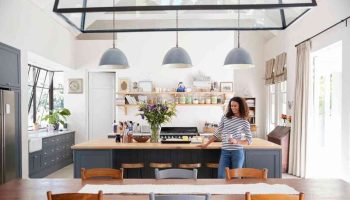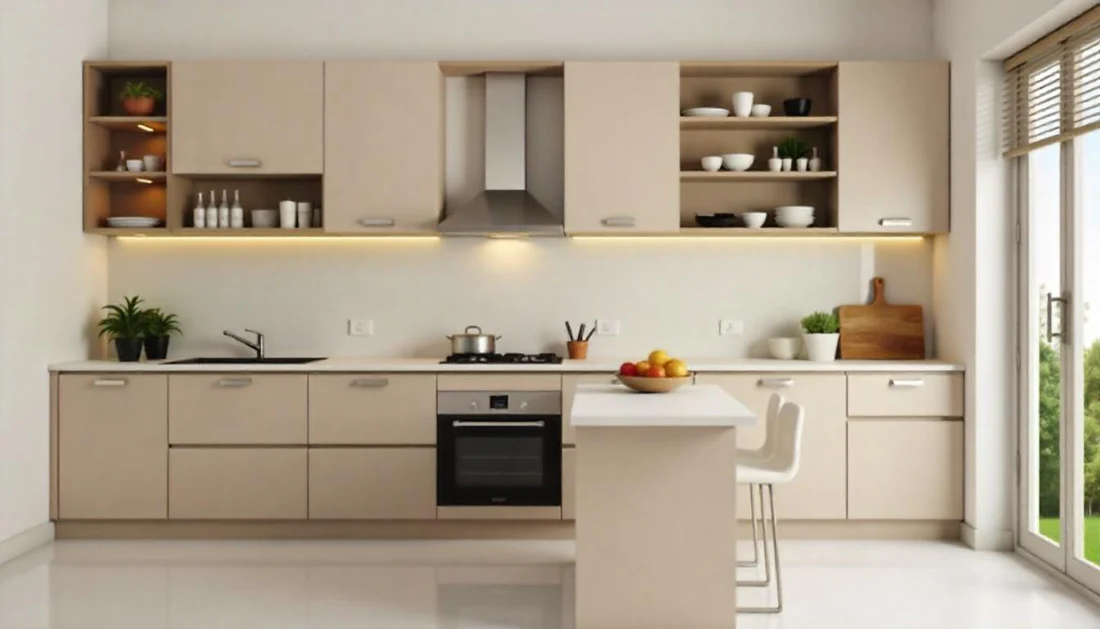
The kitchen is often described as the heart of the home. It is a space where culinary creativity, family interactions, and entertaining converge. A well-designed kitchen not only enhances cooking efficiency but also adds aesthetic value to the home. From layout planning and material selection to appliances and storage solutions, modern kitchens balance style, functionality, and comfort. Understanding the essential elements and trends in kitchen design can help homeowners create a space that is both practical and visually appealing.
Importance of Kitchen Design
A thoughtfully designed kitchen affects daily routines, social interactions, and home value. Key reasons to prioritize kitchen design include:
- Functionality: Efficient layouts and organization improve cooking, cleaning, and meal preparation.
- Aesthetic Appeal: Stylish cabinetry, countertops, and lighting elevate the overall home décor.
- Space Optimization: Proper storage solutions and layouts prevent clutter and maximize usable space.
- Home Value: A modern, functional kitchen significantly increases property value.
- Safety and Comfort: Ergonomic design and proper lighting reduce strain and enhance usability.
A kitchen designed for both beauty and functionality ensures a pleasant cooking experience and a welcoming environment for family and guests.
Popular Kitchen Layouts
Choosing the right layout is essential for optimizing workflow and space. Common kitchen layouts include:
1. L-Shaped Kitchen
- Design: Counters along two adjacent walls form an “L” shape.
- Benefits: Maximizes corner space, ideal for open-plan homes, allows for a dining area or island.
- Best For: Medium to large kitchens with open floor plans.
2. U-Shaped Kitchen
- Design: Counters and storage on three walls, forming a “U.”
- Benefits: Provides ample counter space, storage, and multiple work zones.
- Best For: Large kitchens requiring separation between cooking, prepping, and cleaning areas.
3. Galley Kitchen
- Design: Parallel counters with a walkway in between.
- Benefits: Highly efficient for small spaces, keeps all essentials within reach.
- Best For: Compact kitchens or apartments with limited space.
4. Island Kitchen
- Design: Includes a central island for prep, storage, or seating.
- Benefits: Enhances functionality, creates social gathering space, and provides extra counter space.
- Best For: Spacious kitchens with open layouts.
5. Peninsula Kitchen
- Design: Similar to an island but connected to the main counters.
- Benefits: Offers extra prep space and seating without occupying full central space.
- Best For: Kitchens with partial open layouts.
Choosing the correct layout depends on kitchen size, cooking habits, and lifestyle needs.
Essential Kitchen Components
A functional kitchen requires carefully chosen components that enhance efficiency and convenience.
Countertops
Countertops are crucial for both utility and style. Common materials include:
- Granite: Durable, heat-resistant, and available in various colors and patterns.
- Quartz: Non-porous, scratch-resistant, and low-maintenance.
- Marble: Luxurious appearance but requires regular sealing.
- Laminate: Cost-effective and available in numerous designs.
- Wood/Butcher Block: Warm and natural, requires periodic oiling to prevent damage.
Countertop choice affects durability, maintenance, and the overall look of the kitchen.
Cabinets and Storage
Cabinetry provides essential storage and significantly impacts kitchen aesthetics. Features to consider include:
- Material: Solid wood, MDF, or plywood for durability.
- Styles: Shaker, flat-panel, or raised-panel designs to match home décor.
- Storage Solutions: Pull-out shelves, lazy Susans, and drawer organizers maximize space.
- Finish: Painted, laminated, or natural wood finishes to complement countertops and flooring.
Appliances
Modern kitchens rely on high-quality appliances for efficiency and convenience. Common appliances include:
- Refrigerators: Single, double, or French-door models with energy-efficient features.
- Ovens and Stoves: Gas, electric, or induction options based on cooking preferences.
- Dishwashers: Time-saving addition for busy households.
- Microwaves: Essential for quick meal preparation.
- Range Hoods: Improve ventilation, reduce odors, and maintain air quality.
Choosing energy-efficient appliances reduces operational costs and contributes to sustainable living.
Sinks and Faucets
The kitchen sink and faucet are essential for daily tasks. Considerations include:
- Material: Stainless steel, granite composite, or ceramic for durability and aesthetics.
- Size: Single, double, or triple basin depending on workflow needs.
- Features: Pull-down faucets, touchless operation, or built-in soap dispensers enhance functionality.
Lighting
Proper lighting improves safety, functionality, and ambiance. Key lighting types include:
- Ambient Lighting: Ceiling fixtures providing overall illumination.
- Task Lighting: Under-cabinet lights for precise food prep.
- Accent Lighting: Highlights design features, such as cabinetry or countertops.
Layered lighting ensures the kitchen is both practical and visually appealing.
Flooring
Kitchen flooring must be durable, water-resistant, and easy to maintain. Popular options include:
- Ceramic or Porcelain Tiles: Durable and available in numerous designs.
- Vinyl Flooring: Affordable, water-resistant, and comfortable underfoot.
- Hardwood Flooring: Adds warmth but requires proper sealing.
- Laminate Flooring: Cost-effective alternative to hardwood, resistant to scratches.
Flooring choice impacts safety, comfort, and the overall aesthetic of the kitchen.
Kitchen Design Trends
Current trends in kitchen design focus on functionality, sustainability, and visual appeal. Popular trends include:
- Open Shelving: Creates a modern look and easy access to essentials.
- Two-Tone Cabinets: Mixing colors or materials adds depth and visual interest.
- Smart Kitchens: Incorporating technology such as touchless faucets, smart appliances, and app-controlled lighting.
- Eco-Friendly Materials: Bamboo cabinets, recycled countertops, and low-VOC paints support sustainability.
- Bold Backsplashes: Patterns, tiles, and colors add personality and style to the kitchen.
- Minimalist Design: Clean lines, clutter-free countertops, and concealed storage enhance visual simplicity.
Adopting trends that align with personal style ensures the kitchen is both contemporary and practical.
Tips for Choosing the Right Kitchen
Selecting the perfect kitchen involves careful planning and consideration:
- Plan the Workflow: Organize work zones for prep, cooking, and cleaning efficiently.
- Maximize Storage: Use vertical space, pull-out cabinets, and pantry organizers to avoid clutter.
- Focus on Durability: Prioritize materials that withstand daily use and cleaning.
- Balance Style and Function: Choose designs that are visually appealing while maintaining practicality.
- Consider Lighting and Ventilation: Adequate lighting and air circulation improve comfort and safety.
- Budget Wisely: Allocate resources to high-impact areas like cabinetry, countertops, and appliances while finding cost-effective options for décor.
Conclusion
The kitchen is the most dynamic space in a home, combining functionality, style, and social interaction. A thoughtfully designed kitchen enhances cooking efficiency, maximizes storage, and elevates the aesthetic appeal of the entire home. From layout selection and material choices to appliances, lighting, and flooring, each element plays a critical role in creating a practical and stylish space. By understanding design principles, current trends, and essential components, homeowners can create kitchens that are both beautiful and functional, ensuring a welcoming environment for family and guests while adding lasting value to the property.
FAQ: Kitchen Design and Essentials
1. What is the most efficient kitchen layout for small spaces?
Galley kitchens are ideal for small spaces, providing easy access to appliances and counter space while maintaining workflow efficiency.
2. How do I choose the right countertop material?
Consider durability, maintenance, style, and budget. Quartz and granite are durable and low-maintenance, while marble offers a luxurious look but requires more care.
3. Are open shelves practical in a kitchen?
Yes, open shelves enhance accessibility and visual appeal, but they require regular cleaning and organized storage.
4. What type of lighting is best for kitchens?
A combination of ambient, task, and accent lighting ensures functionality, safety, and aesthetic appeal.
5. How can I make my kitchen eco-friendly?
Use sustainable materials, energy-efficient appliances, and low-VOC paints, and reduce water and energy consumption.
6. Should I invest in smart kitchen appliances?
Smart appliances improve efficiency, convenience, and can help manage energy consumption effectively.
7. What flooring is best for high-traffic kitchens?
Ceramic tiles, vinyl, and laminate flooring are durable, water-resistant, and easy to clean, making them ideal for high-traffic areas.