Furniture plays a pivotal role in defining the style, comfort, and functionality of any living space. From living rooms to bedrooms, offices, and outdoor areas, carefully selected furniture pieces can transform a house into a home. Choosing the right furniture involves balancing aesthetics, practicality, and durability. With countless materials, designs, and layouts available, understanding the essentials can help homeowners make informed decisions that match their lifestyle and personal taste.
Importance of Furniture in Home Design
Furniture is more than mere utility; it influences the overall ambiance, usability, and flow of a space. Key reasons why furniture selection matters include:
- Comfort and Functionality: Ergonomic seating, supportive beds, and versatile storage units enhance daily living.
- Aesthetic Appeal: Furniture reflects style preferences, ranging from modern and minimalist to rustic and traditional.
- Space Optimization: Well-chosen furniture ensures efficient use of space without cluttering rooms.
- Durability and Longevity: High-quality furniture withstands wear and tear, offering lasting value.
- Personal Expression: Furniture choices allow homeowners to showcase personality and lifestyle preferences.
Prioritizing these factors ensures furniture not only serves a functional purpose but also complements the overall design of the home.
Popular Types of Furniture
Furniture is categorized by function, material, and style. Understanding the options helps homeowners make educated choices.
Living Room Furniture
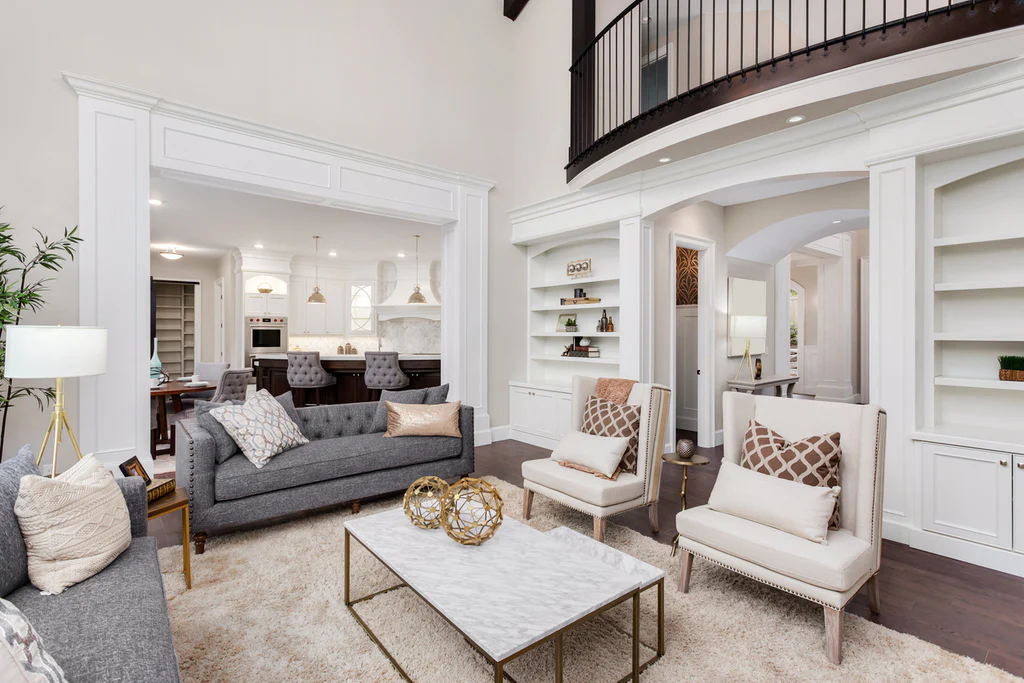
The living room is often the focal point of a home, combining relaxation, entertainment, and social interaction. Essential pieces include:
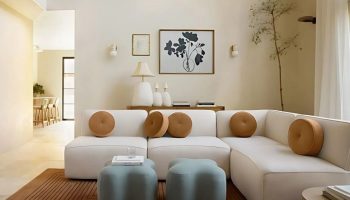
- Sofas and Sectionals: Available in fabric, leather, or microfiber, sofas set the tone for comfort and style. Sectionals offer flexible seating for larger spaces.
- Coffee Tables: These central pieces enhance functionality, providing surfaces for décor, books, and beverages.
- Side Tables and Console Tables: Offer additional storage and accent pieces that tie the room together.
- Entertainment Units: Cabinets or media consoles organize electronics while complementing room aesthetics.
When selecting living room furniture, consider size, layout, material durability, and color coordination to create a cohesive and inviting environment.
Bedroom Furniture
Bedrooms require a balance of comfort and storage solutions. Key pieces include:
- Beds and Mattresses: Choosing the right size, frame material, and mattress type ensures restful sleep.
- Wardrobes and Closets: Essential for organized clothing storage; sliding or hinged doors can optimize space.
- Nightstands: Convenient storage and surface space for bedside essentials.
- Dressers and Chests: Provide additional storage while contributing to room style.
Bedroom furniture should prioritize comfort, storage efficiency, and personal style preferences, creating a serene retreat.
Dining Room Furniture
Dining furniture impacts both aesthetics and functionality in eating areas. Common choices include:
- Dining Tables: Available in wood, glass, metal, or composite materials, tables set the foundation for gatherings.
- Chairs and Benches: Ergonomic designs provide comfort; matching or contrasting styles enhance visual appeal.
- Buffets and Sideboards: Additional storage for dinnerware, linens, and serving accessories.
- Bar Carts or Cabinets: Offer convenience and style for entertaining guests.
Selecting durable materials and flexible designs ensures dining furniture accommodates both everyday use and special occasions.
Office and Study Furniture
With remote work and home offices becoming standard, functional and ergonomic furniture is crucial. Key elements include:
- Desks: Available in compact or executive sizes; materials vary from wood and metal to engineered composites.
- Chairs: Ergonomic chairs with adjustable height and lumbar support promote comfort during long work sessions.
- Shelving Units: Essential for organization, storage, and displaying decorative items.
- File Cabinets: Keep documents organized while maintaining a tidy workspace.
Investing in ergonomic and multifunctional office furniture boosts productivity while maintaining home aesthetics.
Outdoor Furniture
Outdoor furniture enhances the usability and enjoyment of gardens, patios, and balconies. Popular options include:
- Patio Sets: Tables, chairs, and loungers designed for outdoor durability.
- Hammocks and Swings: Provide relaxation while adding charm to outdoor spaces.
- Outdoor Storage Units: Protect cushions and accessories from weather exposure.
- Weather-Resistant Materials: Aluminum, teak, synthetic wicker, and treated fabrics withstand outdoor conditions.
Choosing weatherproof and low-maintenance materials ensures longevity and comfort in outdoor settings.
Materials Used in Furniture
Material selection impacts furniture durability, maintenance, and style. Common furniture materials include:
- Wood: Solid wood offers durability, timeless aesthetics, and versatility. Types include oak, maple, walnut, and teak.
- Metal: Steel, aluminum, and wrought iron provide strength and modern appeal. Often used for frames, chairs, and tables.
- Glass: Adds sophistication, often used for table tops and cabinets.
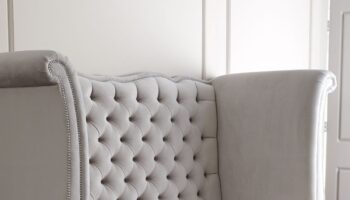
- Fabric: Upholstery fabrics range from cotton and linen to microfiber, providing comfort and variety in textures.
- Leather and Faux Leather: Durable and luxurious, suitable for sofas, chairs, and office furniture.
- Composite Materials: Engineered wood or MDF provides cost-effective and versatile solutions for contemporary furniture.
Material choice depends on intended use, maintenance preferences, and design style.
Furniture Styles and Trends
Furniture style defines the personality of a space. Popular trends include:
- Modern and Minimalist: Clean lines, neutral tones, and functional designs dominate this trend.
- Rustic and Farmhouse: Warm woods, distressed finishes, and cozy textures create inviting interiors.
- Industrial: Metal accents, exposed frames, and reclaimed wood provide an urban, contemporary feel.
- Mid-Century Modern: Retro-inspired furniture with sleek lines, tapered legs, and muted colors remains popular.
- Scandinavian: Light woods, neutral colors, and simple forms prioritize functionality and comfort.
- Eco-Friendly Furniture: Sustainable materials, recycled wood, and low-VOC finishes appeal to environmentally conscious homeowners.
Adopting a consistent furniture style throughout a home enhances cohesion and visual harmony.
Choosing the Right Furniture
Selecting furniture requires careful consideration of multiple factors:
- Functionality: Determine the purpose of each piece, ensuring it serves the intended use efficiently.
- Space Planning: Measure room dimensions and plan layouts to prevent overcrowding.
- Comfort: Ergonomic seating, supportive mattresses, and functional designs enhance daily living.
- Durability: Invest in high-quality materials for longevity and cost-effectiveness.
- Maintenance: Consider cleaning requirements, stain resistance, and material care.
- Aesthetic Appeal: Furniture should complement wall colors, flooring, lighting, and décor themes.
Prioritizing these aspects ensures that furniture remains both practical and visually appealing.
Furniture Maintenance Tips
Proper maintenance extends the life of furniture and keeps it looking its best:
- Wood Furniture: Dust regularly, use polish sparingly, and avoid direct sunlight to prevent fading.
- Upholstered Furniture: Vacuum frequently, spot-clean stains promptly, and consider professional cleaning for deep maintenance.
- Metal Furniture: Wipe down surfaces to prevent rust; apply protective coatings if needed.
- Glass Furniture: Use non-abrasive cleaners to prevent scratches and streaks.
- Outdoor Furniture: Cover or store items during harsh weather; clean regularly to prevent mold or fading.
Routine maintenance ensures furniture retains its functionality, comfort, and visual appeal over time.
Conclusion
Furniture is a cornerstone of home design, providing comfort, functionality, and style. From living rooms to bedrooms, dining areas, offices, and outdoor spaces, carefully chosen furniture enhances the overall aesthetic and usability of a home. By understanding furniture types, materials, styles, and maintenance requirements, homeowners can make informed decisions that reflect their personality and lifestyle. Investing in durable, ergonomic, and aesthetically pleasing furniture ensures a harmonious and welcoming home environment. Whether selecting timeless wooden pieces, sleek modern designs, or eco-friendly options, thoughtful furniture choices elevate the living experience and add lasting value to any home.
FAQ: Furniture Tips
1. How do I choose furniture that fits a small space?
Opt for multi-functional pieces like storage ottomans, foldable tables, or compact sofas to maximize space efficiency.
2. What is the most durable furniture material?
Solid wood, metal, and high-quality leather are highly durable and long-lasting options.
3. How can I mix different furniture styles in one room?
Combine complementary colors, textures, and proportions while maintaining a balance between modern and traditional elements.
4. How do I care for upholstered furniture?
Vacuum regularly, clean spills immediately, and consider professional cleaning for deep stains.
5. Are eco-friendly furniture options durable?
Yes, sustainable wood, bamboo, and recycled materials can be both eco-conscious and durable when properly treated.
6. What furniture trends are popular for 2025?
Sustainable materials, modular designs, neutral color palettes, and multifunctional furniture are trending in modern interiors.
7. How do I choose furniture for a high-traffic area?
Select scratch-resistant, stain-proof, and durable materials such as leather, microfiber, or treated wood for longevity.