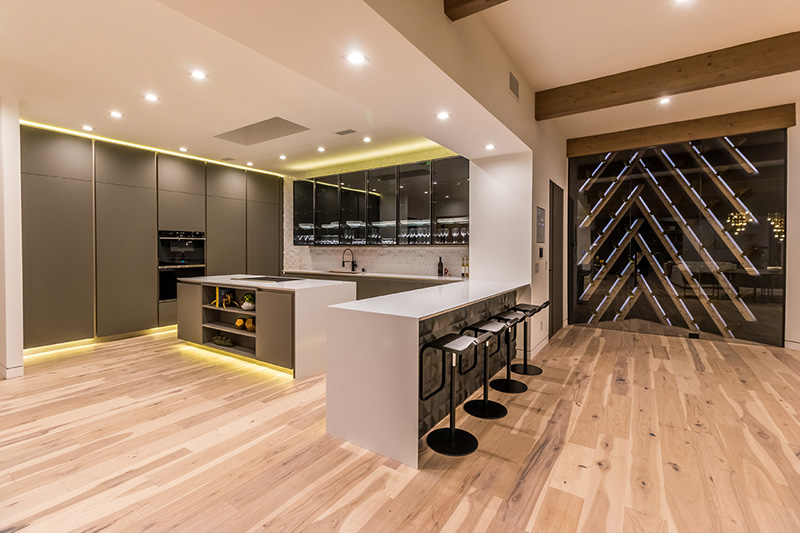
Flooring is one of the most crucial elements of interior design, influencing both the aesthetic appeal and functionality of any space. The right flooring choice enhances comfort, durability, and the overall value of your home. With a wide variety of materials, textures, and styles available, selecting the perfect flooring can feel overwhelming. Understanding the types of flooring, their advantages, and their installation requirements can help homeowners make informed decisions tailored to their lifestyle and design preferences.
Understanding the Importance of Flooring
Flooring serves both practical and aesthetic purposes. Its impact goes beyond appearance, affecting comfort, safety, and maintenance. Some key aspects include:
- Durability: Flooring must withstand daily wear and tear, especially in high-traffic areas.
- Aesthetic Appeal: Flooring sets the tone for a room’s style, whether modern, classic, rustic, or minimalist.
- Maintenance: Some flooring types require minimal upkeep, while others demand regular care.
- Comfort: Flooring influences the comfort level of living spaces, including warmth and sound absorption.
- Safety: Slip-resistant materials and proper installation reduce the risk of accidents.
By evaluating these factors, homeowners can select flooring that complements both their lifestyle and home design.
Popular Types of Flooring
There are numerous flooring options, each with unique characteristics and benefits.
Hardwood Flooring
Hardwood is a timeless and elegant choice for homes. Popular types include oak, maple, cherry, and walnut.
Advantages:
- Natural beauty with warm tones and grain patterns.
- Durable and long-lasting, especially with proper finishing.
- Can be sanded and refinished multiple times to restore appearance.
Considerations:
- Sensitive to moisture and humidity, making it less suitable for bathrooms or basements.
- Higher initial cost compared to other flooring materials.
- Requires regular maintenance like polishing and cleaning to prevent scratches.
Hardwood flooring adds classic appeal and can complement both traditional and modern interiors.
Laminate Flooring
Laminate flooring offers the look of wood or stone at a more affordable price. It consists of a photographic layer over fiberboard with a protective topcoat.
Advantages:
- Cost-effective and easy to install.
- Resistant to scratches and fading.
- Wide variety of styles and finishes mimicking wood, stone, or tile.
Considerations:
- Not as durable as solid hardwood.
- Susceptible to water damage if exposed to excessive moisture.
- Can feel less authentic underfoot compared to natural materials.
Laminate flooring is ideal for homeowners seeking style on a budget without compromising durability.
Vinyl Flooring
Vinyl flooring is a versatile and water-resistant option, available in sheets, planks, or tiles. Modern luxury vinyl tiles (LVT) closely mimic natural materials.
Advantages:
- Highly water-resistant, suitable for kitchens and bathrooms.
- Easy to clean and maintain.
- Comfortable and soft underfoot compared to tile or hardwood.
Considerations:
- Can dent or scratch under heavy furniture.
- May not add as much value to a home as hardwood.
- Quality varies, so selecting high-grade vinyl is important.
Vinyl flooring provides practical, stylish, and low-maintenance solutions for high-traffic and moisture-prone areas.
Tile Flooring
Tiles are available in ceramic, porcelain, and natural stone, offering a variety of patterns and textures.
Advantages:
- Extremely durable and water-resistant.
- Wide range of colors, sizes, and textures.
- Ideal for kitchens, bathrooms, and outdoor spaces.
Considerations:
- Can be cold and hard underfoot, sometimes requiring rugs or heating systems.
- Grout lines need periodic cleaning to prevent discoloration.
- Installation can be labor-intensive and costly.
Tile flooring is perfect for spaces requiring durability, easy cleaning, and water resistance.
Carpet Flooring
Carpets add softness, warmth, and noise reduction, making them ideal for bedrooms and living areas.
Advantages:
- Comfortable and warm underfoot.
- Absorbs sound, improving room acoustics.
- Available in a wide range of textures, colors, and patterns.
Considerations:
- Requires regular vacuuming and professional cleaning.
- Susceptible to stains and wear in high-traffic areas.
- Can harbor allergens if not maintained properly.
Carpet flooring enhances comfort and coziness, offering both aesthetic flexibility and functional benefits.
Bamboo and Cork Flooring
Bamboo and cork are eco-friendly alternatives gaining popularity in sustainable home design.
Advantages:
- Renewable and environmentally friendly.
- Comfortable and warm underfoot.
- Resistant to moisture and pests, depending on treatment.
Considerations:
- Bamboo may scratch or dent more easily than hardwood.
- Cork requires sealing to prevent water damage.
- Limited style options compared to traditional wood or tile.
Eco-conscious homeowners often choose bamboo or cork to reduce environmental impact while maintaining stylish flooring.
Factors to Consider When Choosing Flooring
Selecting the right flooring involves more than aesthetics. Key factors include:
- Room Function: High-traffic areas need durable, easy-to-clean options, while bedrooms can accommodate softer surfaces.
- Moisture Resistance: Kitchens, bathrooms, and basements require water-resistant flooring materials like vinyl, tile, or treated wood.
- Budget: Balancing upfront cost with long-term maintenance expenses ensures the best value.
- Style and Design: Flooring should complement interior decor and architectural style.
- Comfort and Safety: Consider slip resistance, sound absorption, and warmth underfoot for a comfortable living environment.
- Installation Requirements: Some materials are DIY-friendly, while others may require professional installation.
Evaluating these factors ensures that your flooring choice aligns with your practical needs and design preferences.
Flooring Installation Tips
Proper installation is crucial to ensure durability and aesthetic appeal. Some tips include:
- Prepare the Subfloor: Ensure the surface is clean, dry, and level before installation.
- Acclimate Materials: For wood or laminate, allow materials to adjust to room temperature and humidity to prevent expansion or warping.
- Follow Manufacturer Guidelines: Adhere to installation instructions, including adhesive type, spacing, and underlayment requirements.
- Use Professional Help When Necessary: Complex materials like tile, hardwood, or cork may require skilled professionals to ensure proper alignment and durability.
- Plan Layout: Consider room shape, natural light, and focal points to determine the best flooring pattern.
Following proper installation techniques ensures long-lasting, visually appealing flooring.
Maintenance and Care
Different flooring materials require tailored maintenance to maintain their appearance and longevity.
- Hardwood: Regular sweeping, occasional polishing, and refinishing as needed. Avoid excessive water.
- Laminate: Sweep or vacuum regularly, use a damp mop sparingly, and avoid abrasive cleaners.
- Vinyl: Sweep and mop with mild detergent; avoid harsh chemicals.
- Tile: Clean grout lines and tiles regularly; reseal natural stone periodically.
- Carpet: Vacuum frequently, spot-clean stains promptly, and schedule professional cleaning.
- Bamboo/Cork: Dust and mop carefully, avoid excessive moisture, and reseal periodically.
Routine maintenance protects your investment, ensuring your flooring looks attractive for years.
Flooring Trends
Modern flooring trends focus on aesthetics, sustainability, and functionality. Popular trends include:
- Wide Plank Hardwood: Creates a modern, spacious look in living areas.
- Luxury Vinyl Tiles (LVT): Mimic natural wood or stone with durable, waterproof designs.
- Eco-Friendly Materials: Bamboo, cork, and reclaimed wood align with sustainable living practices.
- Patterned Tiles: Bold geometric or mosaic designs add personality to kitchens and bathrooms.
- Mixed Materials: Combining wood, tile, and carpet in open spaces creates visual interest and functional zoning.
Staying updated with trends helps homeowners choose flooring that is both stylish and practical.
Conclusion
Flooring is a foundational element in home design, influencing aesthetics, comfort, durability, and value. By understanding the variety of materials available, their benefits, and their maintenance requirements, homeowners can make informed decisions tailored to each room’s function and overall design vision. Proper installation, routine care, and thoughtful selection ensure that flooring remains beautiful, functional, and durable for years to come. Whether choosing timeless hardwood, cost-effective laminate, water-resistant vinyl, elegant tile, or cozy carpet, selecting the right flooring transforms your home’s interior and elevates its overall appeal.
FAQ: Flooring Tips
1. How do I choose the best flooring for high-traffic areas?
Opt for durable, scratch-resistant materials like hardwood, laminate, vinyl, or tile to withstand heavy use.
2. Is laminate flooring as durable as hardwood?
Laminate is more affordable and scratch-resistant but may not last as long or be refinished like solid hardwood.
3. What is the easiest flooring to maintain?
Vinyl and tile are low-maintenance, water-resistant, and easy to clean, making them ideal for busy households.
4. Can flooring impact home value?
Yes, high-quality and aesthetically appealing flooring like hardwood or tile can increase property value.