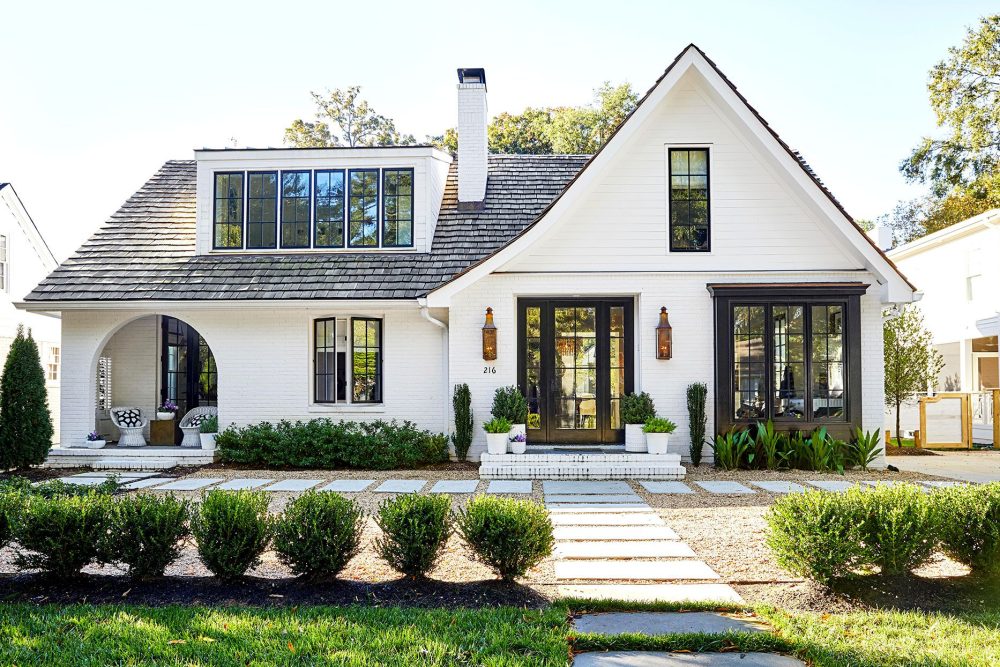
The exterior of your home is the first impression visitors, neighbors, and passersby get of your property. A well-designed exterior not only enhances curb appeal but also improves the functionality, safety, and energy efficiency of your home. Exterior design encompasses architecture, landscaping, lighting, materials, and outdoor amenities. Whether you are building a new home, renovating, or simply upgrading your outdoor space, understanding the key elements of exterior design can help you create an attractive and practical home environment.
Understanding the Importance of Exterior Design
Your home’s exterior is more than aesthetics. It impacts property value, energy efficiency, and overall comfort. Key aspects include:
- Curb Appeal: First impressions matter. Attractive exterior design can increase property value and create a welcoming atmosphere.
- Functionality: Outdoor spaces should support everyday activities, such as parking, gardening, and recreation.
- Durability: Choosing the right materials ensures your home withstands weather conditions and reduces maintenance costs.
- Energy Efficiency: Proper design elements like windows, insulation, and shading can lower energy consumption.
- Safety and Security: Exterior lighting, fencing, and strategic landscaping contribute to a safer home environment.
Understanding these principles helps homeowners balance style and practicality in their exterior design projects.
Exterior Materials and Finishes
The choice of exterior materials significantly influences both the aesthetic and durability of your home. Popular options include:
- Brick and Stone: Durable, weather-resistant, and timeless. Brick and stone exteriors require minimal maintenance and add a sense of permanence and luxury.
- Wood: Provides natural warmth and texture. Cedar, redwood, and treated lumber are popular choices but require regular sealing and maintenance.
- Stucco: Smooth or textured finishes create a clean, modern look. Stucco is suitable for a variety of climates but may require crack repairs over time.
- Fiber Cement: Resistant to fire, termites, and weather damage, fiber cement is a low-maintenance option available in multiple textures and colors.
- Vinyl Siding: Affordable and low-maintenance, vinyl siding is easy to install but may have limitations in high-wind areas or extreme temperatures.
Selecting the right materials ensures your home’s exterior is visually appealing, functional, and long-lasting.
Landscaping for Exterior Appeal
Landscaping is an essential component of exterior design. Properly planned outdoor spaces can improve curb appeal, provide recreational areas, and even enhance property value. Consider these landscaping strategies:
- Front Yard Design: Incorporate pathways, flower beds, and shrubs to create a welcoming entryway. Balance symmetry with natural elements for visual appeal.
- Lawn Maintenance: Healthy grass adds vibrancy to your exterior. Regular mowing, fertilizing, and watering are essential.
- Trees and Shade Plants: Strategically placed trees provide shade, improve energy efficiency, and enhance the natural aesthetic of your home.
- Outdoor Features: Patios, decks, pergolas, and garden furniture extend living spaces and create functional outdoor areas.
- Sustainable Landscaping: Use native plants, rain gardens, and xeriscaping to reduce water usage and promote environmental sustainability.
Landscaping enhances both the beauty and usability of your exterior spaces.
Exterior Lighting Tips
Effective lighting improves safety, highlights architectural features, and enhances outdoor ambiance. Key considerations include:
- Pathway Lighting: Illuminate walkways and driveways to prevent accidents and provide a welcoming environment.
- Accent Lighting: Highlight trees, shrubs, and facade features to create depth and visual interest at night.
- Security Lighting: Motion-sensor lights deter intruders and improve visibility around entrances and dark areas.
- Energy Efficiency: Use LED or solar-powered lighting to reduce energy consumption without compromising style.
- Layered Lighting: Combine ambient, task, and accent lighting to achieve versatile outdoor illumination.
Proper exterior lighting enhances both functionality and aesthetic appeal, making your home safer and more inviting.
Exterior Color Schemes
The color of your home’s exterior sets the tone and can affect its perceived size, style, and atmosphere. Tips for choosing the right exterior colors include:
- Complement Architectural Style: Traditional homes may favor muted tones, while modern designs often incorporate bold or contrasting colors.
- Harmonize with Landscape: Choose colors that complement natural surroundings, including trees, flowers, and neighboring homes.
- Highlight Features: Use contrasting trims, doors, and shutters to emphasize architectural details.
- Consider Climate: Lighter colors reflect heat and are ideal for warm regions, while darker tones absorb heat in cooler climates.
- Test Samples: Apply sample paint patches to different areas of your exterior to observe how colors change with light.
Color selection is a powerful tool for enhancing the curb appeal and personality of your home.
Exterior Maintenance and Durability
Maintaining your home’s exterior ensures longevity and preserves its aesthetic appeal. Essential maintenance tips include:
- Regular Cleaning: Pressure wash siding, remove debris from gutters, and clean windows to maintain a fresh appearance.
- Painting and Sealing: Repaint or reseal surfaces periodically to protect against moisture, sun damage, and wear.
- Roof and Gutter Care: Inspect roofs for leaks or damage and ensure gutters are clean to prevent water damage.
- Pest Control: Protect wooden surfaces from termites and other pests that can compromise structural integrity.
- Seasonal Checks: Assess exterior elements for weather-related damage after storms or extreme seasons.
Routine maintenance ensures your home remains attractive, functional, and structurally sound for years.
Outdoor Living Spaces
Modern exterior design emphasizes functional outdoor living areas that complement interior spaces. Ideas include:
- Patios and Decks: Extend your living space outdoors for dining, relaxation, or entertainment.
- Outdoor Kitchens: Incorporate grills, countertops, and storage for convenient outdoor cooking.
- Fire Pits and Seating Areas: Create cozy spaces for socializing and enjoying cooler evenings.
- Water Features: Install fountains or small ponds to enhance tranquility and aesthetic appeal.
- Shade Structures: Pergolas, umbrellas, and retractable awnings provide comfort and protect from sun exposure.
Well-planned outdoor living spaces increase home functionality while creating inviting areas for family and guests.
Sustainable Exterior Design
Sustainability is increasingly important in modern exterior design. Eco-friendly practices reduce environmental impact while saving resources. Strategies include:
- Solar Panels: Generate renewable energy and reduce electricity costs.
- Rainwater Harvesting: Collect and reuse rainwater for irrigation, reducing water consumption.
- Green Roofing: Plant roof gardens to improve insulation, reduce heat absorption, and enhance aesthetics.
- Energy-Efficient Windows: Use double-glazed or low-emissivity windows to improve insulation and reduce energy loss.
- Recycled Materials: Incorporate reclaimed wood, recycled metal, and eco-friendly paints for environmentally responsible construction.
Sustainable exterior design enhances long-term efficiency while promoting a greener lifestyle.
Conclusion
The exterior of a home is a reflection of its character, functionality, and the lifestyle of its residents. Effective exterior design combines architectural features, landscaping, lighting, materials, and sustainable practices to create visually appealing and practical outdoor spaces. By carefully planning your exterior elements, maintaining them regularly, and incorporating personal style, you can boost your home’s curb appeal, enhance comfort, and increase property value. Investing in thoughtful exterior design ensures a welcoming and lasting impression for years to come.
FAQ: Exterior Design Tips
1. How can I improve my home’s curb appeal on a budget?
Focus on landscaping, repainting doors or trims, adding outdoor lighting, and maintaining clean and tidy outdoor areas. Small changes can create a big impact.
2. What materials are best for long-lasting exterior finishes?
Brick, stone, fiber cement, and treated wood are durable and weather-resistant options suitable for most climates.
3. How do I choose the right exterior color palette?
Consider architectural style, landscape surroundings, climate, and lighting. Use sample patches to test colors in different lighting conditions.
4. What are the best outdoor lighting strategies?
Combine pathway, accent, and security lighting with energy-efficient LED or solar-powered fixtures to enhance safety and aesthetics.
5. How can I create functional outdoor living spaces?
Incorporate patios, decks, pergolas, seating areas, and outdoor kitchens to extend indoor living spaces outdoors.
6. What are sustainable exterior design options?
Solar panels, rainwater harvesting, green roofing, energy-efficient windows, and recycled materials contribute to eco-friendly exterior design.
7. How often should I maintain my exterior surfaces?
Inspect annually, clean gutters and siding regularly, repaint or reseal surfaces every few years, and perform seasonal checks after extreme weather.


