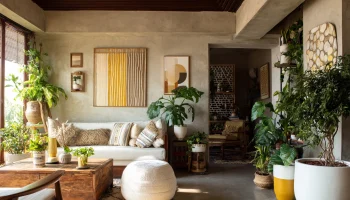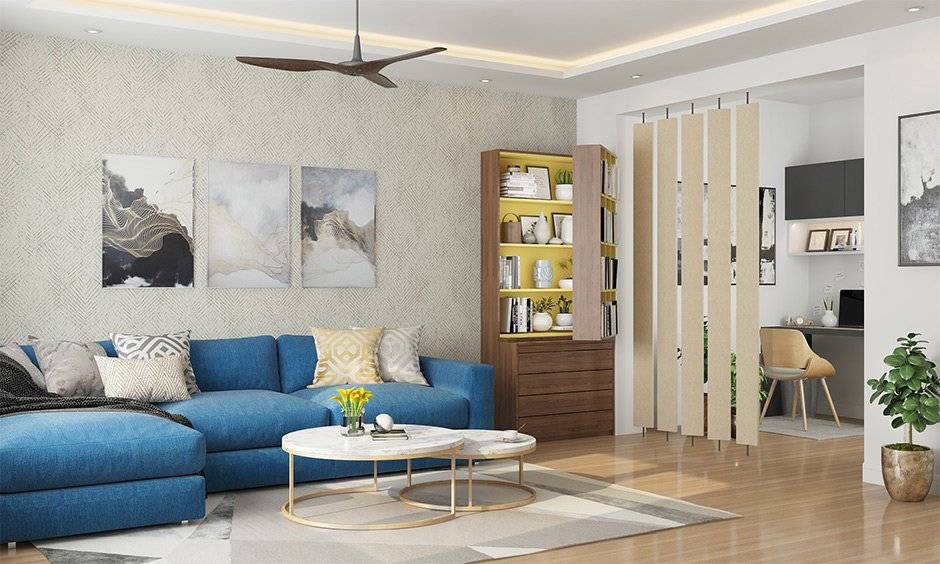
Decorating your home is more than just arranging furniture or hanging paintings; it is about creating a space that reflects your personality, provides comfort, and enhances functionality. Effective decor combines style, practicality, and personal taste to make each room inviting and aesthetically pleasing. Whether you are redecorating a single room or revamping your entire home, applying the right decor tips can significantly improve your living environment. This article explores actionable decor strategies, color palettes, furniture placement ideas, lighting techniques, and creative solutions to help you transform your home.
Understanding the Basics of Home Decor
Before diving into specific tips, it is essential to understand the core principles of home decor:
- Balance: Distribute furniture and decorative elements evenly to create a harmonious space. This can be symmetrical or asymmetrical depending on your style preference.
- Focal Points: Identify the main feature of a room, such as a fireplace, a piece of artwork, or a statement sofa, and arrange decor to highlight it.
- Color Coordination: Choose colors that complement each other and match the room’s purpose. Warm colors create a cozy atmosphere, while cool colors provide calmness.
- Texture and Layering: Mixing textures, such as soft rugs, smooth furniture surfaces, and plush cushions, adds depth and interest to the decor.
- Functionality: Ensure that decorative choices enhance usability. Furniture should be comfortable, and layouts should allow smooth movement within the room.
By understanding these principles, you can make informed decisions while decorating, ensuring your home is both stylish and practical.
Choosing the Right Color Schemes
Color significantly influences mood and perception of space. Effective use of color can make a room appear larger, cozier, or more vibrant. Consider the following strategies:
- Neutral Colors: Shades like beige, gray, and white create a versatile backdrop, allowing you to easily incorporate accent colors through furniture and accessories.
- Accent Walls: Painting one wall in a bold color or using wallpaper with patterns can add personality without overwhelming the room.
- Color Harmony: Use the 60-30-10 rule – 60% dominant color, 30% secondary color, and 10% accent color – to achieve a balanced and cohesive look.
- Mood-Based Choices: Blues and greens promote relaxation, making them ideal for bedrooms, while yellows and oranges encourage energy and creativity, suitable for living areas or kitchens.
- Seasonal Updates: Consider changing accessories like cushions, throws, and curtains according to seasons to refresh the color palette without major renovations.
Implementing the right color scheme can dramatically enhance the overall aesthetic appeal of your home.
Furniture Placement and Layout Tips
Strategically arranging furniture ensures that your rooms are functional, spacious, and visually appealing. Consider these decor tips for furniture placement:
- Measure Before You Place: Knowing the dimensions of your furniture and rooms helps prevent overcrowding or awkward spacing.
- Create Conversation Areas: Position sofas and chairs to encourage social interaction, with coffee tables centrally placed for convenience.
- Traffic Flow: Ensure there is ample space for movement, avoiding blocked pathways or cramped arrangements.
- Multipurpose Furniture: Use ottomans with storage, foldable tables, or sofa beds to maximize space in small rooms.
- Proportional Choices: Select furniture that suits the scale of the room. Large, bulky items can overwhelm small spaces, while tiny pieces in spacious rooms may appear lost.
Proper furniture placement not only improves functionality but also enhances the visual harmony of your home.
Lighting: Enhancing Ambiance and Style
Lighting plays a critical role in home decor, affecting mood, perception, and visual appeal. Effective lighting strategies include:
- Layered Lighting: Combine ambient (general), task (specific activities), and accent (highlighting features) lighting to create depth and flexibility.
- Natural Light: Maximize daylight by using sheer curtains, mirrors, and strategically placed furniture. Natural light improves mood and makes rooms feel airy.
- Statement Fixtures: Chandeliers, pendant lights, and designer lamps serve as both functional and decorative elements.
- Energy Efficiency: Use LED bulbs and smart lighting systems to reduce electricity consumption while maintaining style.
- Mood Control: Dimmer switches allow you to adjust brightness according to activity and time of day, creating versatile living spaces.
Lighting is not just functional; it is an essential decor element that enhances the overall ambiance of your home.
Wall Decor and Artwork
Walls provide a canvas for expressing personality and style. Consider these decor tips:
- Gallery Walls: Create a curated collection of photos, paintings, or prints for a visually striking focal point.
- Mirrors: Use mirrors to reflect light and create the illusion of space, especially in small or dark rooms.
- Shelving: Floating shelves display books, decorative items, and plants, combining aesthetics with storage.
- Wall Panels and Textures: Incorporate textured wallpaper, wooden panels, or decorative tiles to add dimension and interest.
- Rotating Art Displays: Update artwork seasonally or for special occasions to refresh the room’s look without major changes.
Thoughtful wall decor can transform ordinary walls into engaging visual features, complementing other elements in the room.
Decorative Accessories and Accents
Accessories provide the finishing touches that complete your home decor. Key tips include:
- Cushions and Throws: Mix colors, patterns, and textures to add comfort and personality.
- Rugs: Define spaces, add warmth, and provide a base for furniture arrangements.
- Plants: Indoor plants improve air quality, add greenery, and bring natural beauty indoors.
- Vases, Candles, and Sculptures: Small decorative items contribute to the room’s character and style.
- Consistency: While variety is welcome, maintain consistency in style and color palette to avoid visual clutter.
Accessories allow homeowners to express personal taste and introduce seasonal or thematic changes without major renovations.
Storage Solutions and Organization
Effective storage is crucial for maintaining a clean, organized, and aesthetically pleasing home. Consider these strategies:
- Hidden Storage: Use furniture with built-in storage such as beds with drawers or ottomans that open for extra space.
- Vertical Space: Wall-mounted shelves, hooks, and tall cabinets utilize vertical space efficiently.
- Declutter Regularly: Keep surfaces clear of unnecessary items to enhance visual appeal and functionality.
- Decorative Baskets and Boxes: Stylish storage containers combine practicality with decorative appeal.
- Multi-Zone Storage: Organize by function, storing similar items together to simplify daily use and maintenance.
Efficient storage enhances both functionality and decor, ensuring your home remains welcoming and tidy.
Incorporating Personal Style
Ultimately, home decor should reflect your personality and lifestyle. Consider these tips:
- Mix Styles Thoughtfully: Combine modern, rustic, or vintage elements while maintaining a cohesive theme.
- Travel and Memory Items: Display souvenirs or heirlooms to make your home uniquely yours.
- Color and Pattern Signature: Select recurring colors, patterns, or textures that define your personal style.
- Comfort as Priority: Ensure spaces are inviting and practical for daily living.
- Experiment Gradually: Introduce bold elements incrementally to see what works best with your existing decor.
Incorporating personal style creates a space that is not only beautiful but also meaningful and comfortable for residents and guests.
DIY Decor Tips
DIY projects allow homeowners to personalize spaces creatively while saving costs. Ideas include:
- Custom Wall Art: Paint or craft your own designs for a unique focal point.
- Furniture Upcycling: Refinish or repaint old furniture to give it new life.
- Handmade Accessories: Create cushions, candle holders, or planters for personalized accents.
- Seasonal Decor: Craft seasonal decorations to refresh spaces periodically without major investment.
- Photo Displays: DIY photo collages or frames add personal charm to living areas.
DIY decor projects foster creativity, personal expression, and sustainable practices by reusing materials effectively.
Conclusion
Decorating a home is a blend of creativity, functionality, and personal expression. By applying effective decor tips, such as choosing harmonious color schemes, arranging furniture thoughtfully, layering lighting, and incorporating accessories, you can transform any space into a comfortable and stylish haven. Remember that decor is a continuous process that evolves with changing trends, seasons, and personal tastes. With careful planning and a keen eye for detail, you can create a home that is visually appealing, functional, and uniquely yours.
FAQ: Decor Tips
1. How can I make a small room appear larger with decor?
Use light colors, mirrors, multi-functional furniture, and maximize natural light to create the illusion of space. Avoid overcrowding furniture and keep decor minimal.
2. What are the best colors for a relaxing bedroom?
Soft blues, greens, and neutral shades promote calmness and relaxation, making them ideal for bedroom decor.
3. How do I mix patterns without making a room look chaotic?
Combine patterns of different scales and keep the color palette consistent. Balance bold prints with neutral elements to maintain harmony.
4. What are the top tips for decorating on a budget?
Focus on DIY projects, upcycling furniture, rearranging existing items, and using affordable accessories like cushions, rugs, and artwork.