Architecture is more than the mere construction of buildings; it is the embodiment of culture, history, and technology. It shapes the way we live, influences societal behavior, and defines the identity of cities. From ancient monuments to futuristic skyscrapers, architecture reflects the human desire to create spaces that are functional, aesthetically appealing, and sustainable. This article delves deep into the world of architecture, examining historical styles, modern trends, sustainability practices, and influential architects who have shaped the field.
Understanding Architecture
Architecture is both an art and a science. It combines creative design with technical engineering to create spaces that serve multiple purposes. Architects balance aesthetics, functionality, and safety while considering environmental impact and cultural relevance. Architecture is not just limited to buildings; it also encompasses urban planning, landscape design, and interior architecture. The discipline requires a thorough understanding of materials, structural systems, and spatial organization, along with an ability to visualize and conceptualize innovative solutions.
Historical Architecture: Tracing Styles Through Time
Understanding the history of architecture provides insight into the evolution of human civilization. Key historical styles include:
- Ancient Architecture: Early civilizations, such as Egyptians, Greeks, and Romans, built monumental structures like pyramids, temples, and amphitheaters. The use of columns, arches, and stone masonry defined the architectural vocabulary of these periods.
- Gothic Architecture: Emerging in the 12th century, Gothic architecture is recognized by pointed arches, ribbed vaults, and flying buttresses. Cathedrals like Notre Dame in Paris exemplify the grandeur and complexity of this style.
- Renaissance Architecture: This period marked a return to classical principles of symmetry, proportion, and geometry. Architects such as Filippo Brunelleschi and Andrea Palladio emphasized harmony and perspective in their designs.
- Baroque Architecture: Characterized by elaborate ornamentation, dramatic lighting, and bold forms, Baroque architecture dominated Europe in the 17th century. It sought to evoke emotion and awe through its grandeur.
Studying historical architecture allows modern architects to blend tradition with innovation, creating structures that resonate with both heritage and contemporary needs.
Modern Architecture: Innovation and Functionality
Modern architecture emerged in the late 19th and early 20th centuries, driven by technological advancements, industrialization, and the need for functional design. Key characteristics of modern architecture include:
- Minimalism: Emphasizes simplicity, clean lines, and uncluttered spaces. Materials like concrete, glass, and steel are used to achieve sleek, functional designs.
- Functionalism: “Form follows function” is a core principle. Buildings are designed primarily for practical use, with aesthetics complementing functionality.
- High-Tech Architecture: Incorporates advanced engineering and innovative materials. Examples include skyscrapers with cutting-edge structural systems, such as the Burj Khalifa in Dubai.
- Sustainable Architecture: Focuses on eco-friendly design, energy efficiency, and the use of renewable resources. Green roofs, solar panels, and passive cooling systems are common features.
Modern architecture emphasizes adaptability, integrating technology with design to meet the needs of urban populations while minimizing environmental impact.
Sustainable Architecture: Building for the Future
Sustainability has become a crucial aspect of contemporary architecture. Architects are increasingly aware of the ecological footprint of their designs, seeking to create energy-efficient and environmentally responsible buildings. Techniques in sustainable architecture include:
- Passive Design: Utilizes natural elements such as sunlight, wind, and thermal mass to regulate indoor temperature, reducing reliance on artificial heating and cooling systems.
- Energy Efficiency: Incorporating solar panels, LED lighting, and high-performance insulation helps reduce energy consumption.
- Water Conservation: Rainwater harvesting, greywater recycling, and efficient plumbing systems minimize water wastage.
- Eco-Friendly Materials: Using recycled, low-impact, and locally sourced materials reduces environmental impact and supports sustainable supply chains.
By integrating sustainability into architectural practices, architects ensure that buildings are not only aesthetically appealing but also responsible contributors to the environment.
Urban Planning and Architecture
Architecture is closely linked with urban planning, as it dictates how spaces are organized and used within cities. Effective urban design considers:
- Density and Zoning: Balancing residential, commercial, and recreational areas ensures efficient land use and reduces congestion.
- Public Spaces: Parks, plazas, and community centers foster social interaction and enhance the livability of urban environments.
- Transportation and Infrastructure: Planning pedestrian-friendly streets, bike lanes, and public transport networks enhances mobility and reduces environmental impact.
- Resilience: Urban architecture must address climate change, natural disasters, and rapid population growth to ensure long-term sustainability.
Urban planning and architecture together shape cities into functional, attractive, and sustainable habitats for growing populations.
Influential Architects and Their Contributions
Several architects have significantly impacted architectural design, blending creativity with technical expertise:
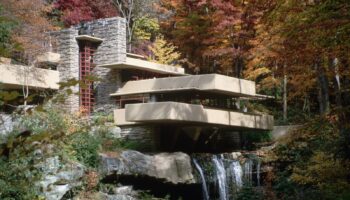
- Frank Lloyd Wright: Known for his organic architecture, Wright emphasized harmony between buildings and their natural surroundings. Fallingwater is a classic example of his philosophy.
- Le Corbusier: A pioneer of modern architecture, Le Corbusier advocated for functional, minimalist designs and introduced concepts like pilotis (supports), open floor plans, and roof gardens.
- Zaha Hadid: Renowned for her futuristic and fluid designs, Hadid broke conventional forms with dynamic curves and innovative structures. Her work exemplifies the use of computational design in architecture.
- Norman Foster: Foster integrates high-tech innovation with sustainability. Projects like the Gherkin in London showcase structural elegance combined with energy efficiency.
These architects inspire contemporary designers to merge art, science, and sustainability in their projects.
Interior Architecture and Design
Architecture extends beyond exterior forms to the interiors of buildings. Interior architecture focuses on:
- Space Planning: Optimizing layouts to improve flow, functionality, and comfort.
- Lighting and Acoustics: Designing lighting schemes and acoustics enhances mood, usability, and well-being.
- Material Selection: Choosing appropriate finishes, textures, and colors contributes to aesthetic appeal and durability.
- Furniture and Fixtures: Integrating functional and decorative elements supports the overall design concept.
Interior architecture ensures that the spaces we inhabit are practical, visually pleasing, and aligned with human behavior.
Trends Shaping the Future of Architecture
The field of architecture is constantly evolving, influenced by technological advancements, environmental concerns, and social needs. Emerging trends include:
- Smart Buildings: Integration of IoT devices, automated systems, and AI for energy management, security, and user comfort.
- Parametric Design: Computational modeling allows architects to create complex, organic forms that were previously impossible.
- Adaptive Reuse: Repurposing old buildings to preserve history while serving contemporary functions.
- Biophilic Design: Incorporating natural elements into architecture to improve mental health and productivity.
These trends reflect the shift towards architecture that is intelligent, adaptable, and responsive to both human and environmental needs.
Education and Career in Architecture
Becoming an architect requires a combination of formal education, technical skills, and creativity. Steps include:
- Academic Qualifications: A bachelor’s or master’s degree in architecture is essential. Programs cover design principles, structural engineering, history, and sustainability.
- Internships and Practical Experience: Hands-on experience under licensed architects helps develop technical expertise and real-world problem-solving skills.
- Licensing and Certification: Most countries require architects to pass licensing exams and maintain professional credentials.
- Specializations: Architects may focus on residential, commercial, landscape, interior, or sustainable design, tailoring their careers to personal interests.
A career in architecture is both challenging and rewarding, allowing individuals to influence how people experience spaces daily.
Conclusion
Architecture is a dynamic and multifaceted discipline that combines creativity, engineering, and environmental responsibility. From ancient monuments to modern skyscrapers, architecture reflects human innovation and cultural evolution. By embracing sustainable practices, integrating technology, and understanding societal needs, architects shape environments that are functional, beautiful, and future-ready. As cities grow and design philosophies evolve, architecture will continue to be a defining element of human civilization.
FAQ: Architecture
1. What is the difference between architecture and civil engineering?
Architecture focuses on design, aesthetics, and functionality, whereas civil engineering emphasizes structural integrity, materials, and construction processes. Both collaborate to create safe and appealing buildings.
2. How does sustainable architecture impact the environment?
Sustainable architecture reduces energy consumption, minimizes waste, and promotes the use of eco-friendly materials, leading to a lower carbon footprint and more resilient buildings.
3. What are the most influential architectural styles in history?
Ancient, Gothic, Renaissance, Baroque, and Modern styles have each contributed significantly to the evolution of architecture, influencing design principles, materials, and techniques.
4. Can architecture improve mental well-being?
Yes. Thoughtful design, natural lighting, green spaces, and biophilic elements in architecture can enhance mental health, productivity, and overall well-being.
5. What is the role of technology in modern architecture?
Technology enables smart buildings, parametric design, and energy-efficient systems. Tools like CAD, BIM, and AI assist architects in planning, visualization, and sustainable solutions.
6. How can one become a licensed architect?
One must complete an accredited architecture degree, gain practical experience through internships, and pass